
Vandaag of morgen in huis

Kwaliteit gegarandeerd

Welkomstaanbiedingen ontgrendelen: GRATIS bezorging | Tot 80% korting | Gratis 30 dagen JoyPlus-proefperiode
Download de app
A hydrating face cream may seem like a simple purchase, but products vary considerably in texture, ingredients and use. A rich cream can feel pleasant on dry skin, but may feel heavy on oily or combination skin. A face gel cream absorbs quickly, but may provide less comfort when your skin feels tight.
The right choice is therefore not about a striking marketing claim, but about finding a formula that suits your skin type, routine and preferences. Below, you’ll find what to look out for and which popular choices suit different user profiles.
A product containing, for example, 77% peach water or 70% rice extract may sound appealing. However, it’s the complete ingredients list that determines how a product feels and what it is suitable for. Also check for glycerine, panthenol, hyaluronic acid, ceramides, oils and fragrance.
A high percentage of plant extract is not necessarily a guarantee of a better user experience. Botanical extracts or fragrance ingredients may be less suitable for sensitive skin.
Brands use different terms to describe hydration. According to Clinique’s own research, Moisture Surge 100H provides up to 100 hours of hydration. This is a brand claim, not a universal measurement standard for all face creams. So also consider the texture, usage instructions and ingredients.
A moisturiser for the face mainly helps to attract and retain moisture, or to make the skin feel comfortable. The effect can vary depending on your skin type and the season.
If you’re looking for a hydrating cream for sensitive skin, it’s worth reading the entire label carefully. “Mild”, “natural” or “dermatologically tested” does not automatically mean that a product is suitable for everyone. Some formulas contain fragrance, essential oils or fragrance allergens.
Test a new product on a small area of skin first. Stop using it if you experience redness, swelling, itching or a burning sensation, and follow the safety information on the packaging.
Look out for these commonly used ingredients:
The term repair the skin barrier is frequently used in product marketing. For cosmetics, it is better understood as referring to supporting comfort and moisture retention on the skin’s surface, rather than a medical effect.
Choose a texture you’ll want to use every day:
Always check:
A fragrance-free face cream can be a sensible choice if you prefer to avoid fragrance ingredients. However, fragrance-free does not mean irritation is impossible. The overall composition and your individual skin response remain important.
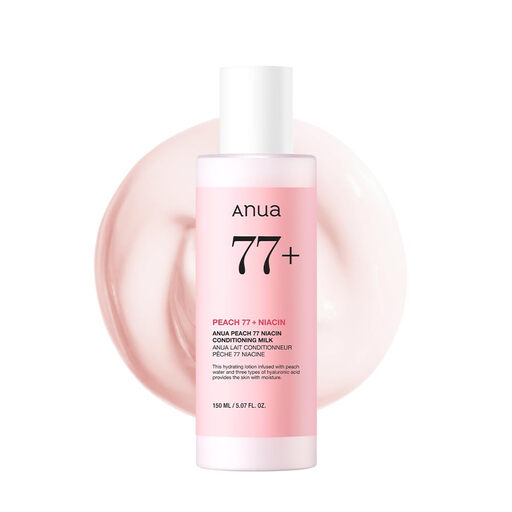
Why it suits this profile: A 150 ml milky lotion for anyone looking for a lightweight step after cleansing. The formula contains, among other ingredients, glycerine, panthenol, sodium hyaluronate and ceramide NP.
The product information shows the complete ingredients list and usage warnings. Please note: fragrance is also listed, so this is not the choice for anyone wanting to avoid fragrance completely.
150 ml volume; milky texture; glycerine, several forms of hyaluronic acid and ceramide NP listed among the ingredients.

Why it suits this profile: An oil-free gel cream for users looking for a lightweight texture that can also be applied under make-up.
The product information states that the formula is alcohol-free, fragrance-free, paraben-free and non-comedogenic. The claim of up to 100 hours of hydration comes from Clinique itself.
75 ml volume; gel cream; oil-free; fragrance-free; according to the product information, suitable for dry, combination and oily skin.
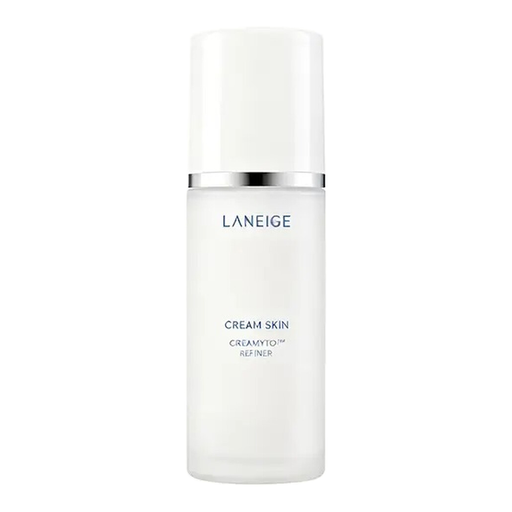
Why it suits this profile: A Korean face cream is not the only option for hydration. This 170 ml milky toner can be applied after cleansing and, according to the product information, layered.
The product description makes it clear that this is a toner, not a classic cream. This helps you assess its texture and place in your routine correctly.
170 ml volume; glycerine, hyaluronic acid and ceramide NP listed; suitable for layering or as a lightweight moisturiser in warm weather.
We’ve put together a complete, up-to-date list of products that fully meet these strict selection criteria and the applicable European safety requirements.
Cleanse your face with a gentle cleanser, then apply a small amount of product. A toner or lotion is generally used before a cream. During the day, apply sun protection if it suits your routine. Don’t automatically apply several thick layers: start with a small amount and see how your skin and make-up respond.
If you have dry skin, you can combine a lotion with a richer cream. For oily skin, a lightweight gel cream may be enough. If you use several products containing active ingredients, introduce them one at a time so that you can identify any reaction more easily.
Look for a formula containing humectants such as glycerine or hyaluronic acid, combined with ingredients that leave a comfortable layer on the skin, such as ceramides, squalane or shea butter. A richer texture is not always necessary; personal preference and the season also play a part.
Often, yes, because a gel cream is generally lightweight and absorbs quickly. However, check the complete ingredients list and try a small amount first. Even a lightweight formula may feel less comfortable for some users.
Follow the expiry date and the period-after-opening information on the packaging. Store the product in a cool, dry place, away from direct sunlight and out of reach of children. Has the smell, colour or texture changed? Stop using the product and check the product information.
