
Vandaag of morgen in huis

Kwaliteit gegarandeerd

Welkomstaanbiedingen ontgrendelen: GRATIS bezorging | Tot 80% korting | Gratis 30 dagen JoyPlus-proefperiode
Download de app
A hydrating face cream may seem like a straightforward product, but there can be significant differences in texture, ingredients and usage advice. A cream that feels comfortable on dry skin may be too heavy for oily or blemish-prone skin. Marketing claims such as “intense hydration”, “repair” or “suitable for all skin types” also do not always tell you how a product will perform in your daily routine.
With this practical guide, you can focus on verifiable product information, the ingredients list and the intended use. This helps you avoid a disappointing purchase and choose more confidently between a face cream with hyaluronic acid, a fragrance-free moisturiser or a gel cream for blemish-prone skin.
A thick cream often feels instantly nourishing, but that does not automatically mean it is the best match for your skin. On oily or combination skin, a heavy formula may look shiny or feel uncomfortable under sun cream and make-up. A lightweight gel cream may be more practical.
For dry skin, a combination of glycerine, oils, fats and occlusive ingredients may feel more comfortable. So do not focus only on words such as “intensive” or “light”; check the full ingredients list as well.
According to product descriptions, hyaluronic acid helps attract and retain moisture, but it is only one part of a formula. A face cream with hyaluronic acid may still be too lightweight if your skin needs plenty of lipids. Ceramides, squalane, shea butter and panthenol can complement the formula.
The same applies to niacinamide. A face cream with niacinamide may be appealing if you have an uneven complexion or oily skin, but always check whether the rest of the formula suits you.
Check the ingredients for fragrance, essential oils and known fragrance allergens. Product information may change between markets or batches, so the packaging of the product you receive is the most up-to-date source. A product described as “gentle” is not automatically suitable if you have previously reacted to certain ingredients.
When trying a new moisturiser, test it on a small area of skin first. Stop using it if you experience burning, itching, swelling or persistent redness.
Glycerine is a commonly used humectant. Hyaluronic acid is available in various forms, such as sodium hyaluronate and hydrolysed hyaluronic acid. Multiple forms do not automatically mean better results, but they may indicate that the formula combines different textures and functions.
For a cream for a damaged skin barrier, ceramides, cholesterol, fatty acids, panthenol and squalane are relevant ingredients to look out for. According to information provided by some brands, these substances support the skin’s protective layer; this is a product feature rather than a medical effect.
Compare the product size with the price. A 50 ml jar and a 100 ml tube are not directly comparable. Also check the period after opening, indicated by symbols such as 6M or 12M, and follow the storage instructions.
Usually, apply a face cream after cleansing and, if required, after a serum. During the day, sun cream should be the final step in your routine. A body product, such as body lotion for dry skin, is generally developed for the arms, legs and torso and does not need to have the same texture or ingredients as a face cream.

Why it suits this profile: According to the product information, this gel cream contains 77% oat seed water and has a lightweight texture for daily use in the morning and evening.
The product description explicitly mentions a non-greasy finish. However, check the full ingredients list and patch-test the product first if you have sensitive skin.
100 ml; contains glycerine, panthenol, squalane and beta-glucan.

Why it suits this profile: This Korean face cream combines several forms of hyaluronic acid with argan and apricot oils for richer daily or overnight care.
The ingredients list is visible and specifies different forms of hyaluronic acid. Check the current packaging if you are sensitive to oils or botanical extracts.
100 ml; contains panthenol, beta-glucan, ceramide NP and five specified forms of hyaluronic acid.
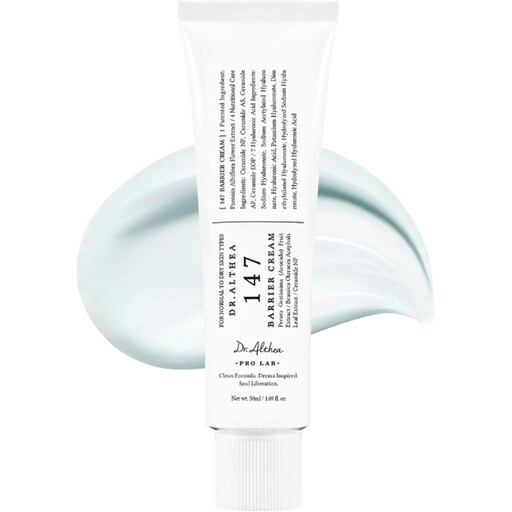
Why it suits this profile: The formula is aimed at dry skin and, according to the product information, contains seven types of hyaluronic acid, ceramides, vitamin E and guaiazulene.
The product has been selected based on its listed ingredients rather than the “barrier” claim alone. Check whether it is suitable for damaged or irritated skin and follow the label instructions.
Ceramides and several humectants; designed as a nourishing moisturiser for daily use.
We have put together a complete, up-to-date list of products that fully meet these strict selection criteria and the applicable European safety regulations.
For a fragrance-free moisturiser, you could consider Pyunkang Yul’s Moisturizing Lotion, naturie Hatomugi Skin Conditioning Gel or Clinique Moisture Surge 100H. Always check the current packaging, as product information may change.
For oily or combination skin, a gel texture and lightweight lotion are often practical. The iUNIK Centella Calming Gel Cream and Oil Free Ultra Moisturizing Lotion match this need in terms of texture and product positioning. Claims about soothing or sebum regulation come from the brands’ product descriptions and are not medical guarantees.
For the body, Vaseline Intensive Care Essential Healing, Sebamed Extreme Dry Urea Repair Lotion 10% and NIVEA Moisturizing Cream are options to compare. With Sebamed, check whether it contains fragrance, and with Vaseline and NIVEA, check the ingredients list for fragrances and allergens. If you are looking for a scented body cream, you could also consider the Sol De Janeiro Bom Dia Bright Body Cream; the product information mentions fruit acids and vitamin C and recommends a patch test.
Usually, applying it once in the morning and once in the evening after cleansing is sufficient. If you have oily skin, using a smaller amount may feel more comfortable. Always follow the usage instructions on the packaging.
Check the expiry date and the symbol indicating the period after opening, such as 6M or 12M. Store the cream in a cool, dry place away from direct sunlight, and close the packaging properly. Has the scent, colour or texture changed? Do not continue using the product.
You can use products explicitly intended for both areas, such as some all-purpose creams. However, body lotion for dry skin is not always suitable for the face. Facial products are often formulated with a lighter texture and specific skin needs in mind. Always check the intended area of use on the label.
