
Vandaag of morgen in huis

Kwaliteit gegarandeerd

Welkomstaanbiedingen ontgrendelen: GRATIS bezorging | Tot 80% korting | Gratis 30 dagen JoyPlus-proefperiode
Download de app
A hydrating face cream may seem like a straightforward purchase, but there are major differences in textures, ingredients and intended uses. A rich cream can feel pleasant on dry skin but too heavy on oily or combination skin. A lightweight gel cream may feel comfortable during the day but provide less nourishment for a skin barrier that feels compromised.
Marketing claims can also be confusing. As a Joybuy Product Recommendation Officer, I have outlined the key points below so that you can compare product information more effectively and avoid making the wrong purchase.
Not every moisturiser has been specifically developed for the face. For example, the Dancoly Helichrysum Wakening Hydration Cream 100g is described in the supplied product information as a daily hair-care product for reducing frizz and adding shine. Despite the word “hydration” in its name, it is therefore not the obvious choice if you are looking for a hydrating face cream.
Always check the following:
Terms such as “100-hour hydration”, “repair” or “reduces redness” may sound clear, but their meaning varies between brands and formulas. According to Clinique’s own research, the Moisture Surge formula provides up to 100 hours of hydration. This is a brand claim, not a guarantee for every user.
You should also look for verifiable information, such as:
A face cream for sensitive skin is not automatically suitable for everyone with reactive skin. Some formulas contain fragrances, plant extracts or essential oils. According to the product information, the Dear, Klairs Rich Moist Soothing Cream contains lemon, lavender, orange, geranium and eucalyptus oils, among others. If your skin reacts easily to fragrances, it is wise to check this beforehand.
Test a new formula on a small area of skin first, and stop using it if irritation, redness or swelling occurs. Consult a doctor or dermatologist if you experience persistent skin problems.
For dry skin, humectants such as glycerine, hyaluronic acid and panthenol are useful ingredients to look for. They appear in several product descriptions in this selection. A hydrating face cream containing multiple humectants can feel comfortable when your skin feels tight.
Also look for soothing and occlusive ingredients such as squalane, shea butter, jojoba oil or dimethicone. These help determine whether a formula feels lightweight or rich.
A barrier-repairing cream often contains lipids such as ceramides, cholesterol and fatty acids. The Ceramide Skin Barrier Moisturizer lists several ceramides, cholesterol, phytosphingosine, panthenol and hyaluronic acid in its ingredients list. This makes the formula worth considering if you are specifically looking for a face cream with ceramides.
However, you should interpret the term “barrier-repairing” as product positioning. A cream can support the skin barrier, but it is not a substitute for medical treatment for eczema, psoriasis or other skin conditions.
The right texture plays a major part in whether you continue using a cream every day:
If you are looking for the “best face cream for dry skin”, it is therefore sensible to match your skin type, texture preferences and ingredients rather than relying solely on popularity or packaging.
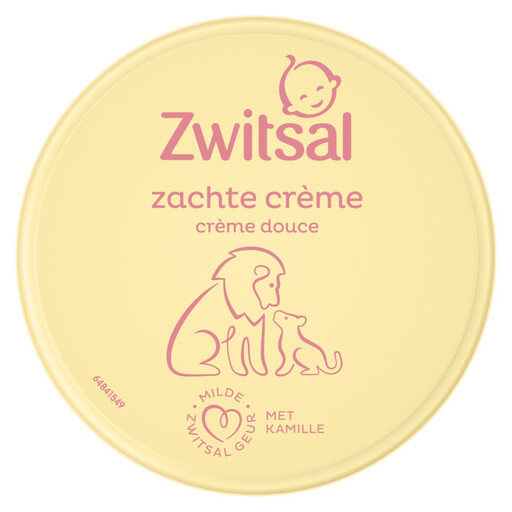
Why it suits this profile: The generous 200 ml quantity and the stated use on the face and body make this cream practical for everyday use.
The product explicitly states that it is suitable for the face and body, unlike a hair cream that should only be used on the hair.
200 ml, pH skin-neutral according to the product information, with glycerine, vitamin E and chamomile extract.

Why it suits this profile: According to the product details, this gel cream is suitable for dry, very dry, combination and oily skin, allowing you to choose one lightweight formula for different skin needs.
The product information clearly specifies a gel base and fragrance-free formula, so the texture and some of the formula’s characteristics are clear in advance.
30 ml gel cream; listed as alcohol-free, fragrance-free and non-comedogenic according to the product information.

Why it suits this profile: This Korean skincare cream is a good match for anyone specifically looking for a barrier-supporting formula with multiple ceramides and hydrating ingredients.
The full ingredients list shows which ceramides, lipids and humectants are present, rather than relying solely on a general repair claim.
80 ml; ceramide NP, NS, AP, AS and EOP, plus panthenol, cholesterol and various forms of hyaluronic acid according to the ingredients list.
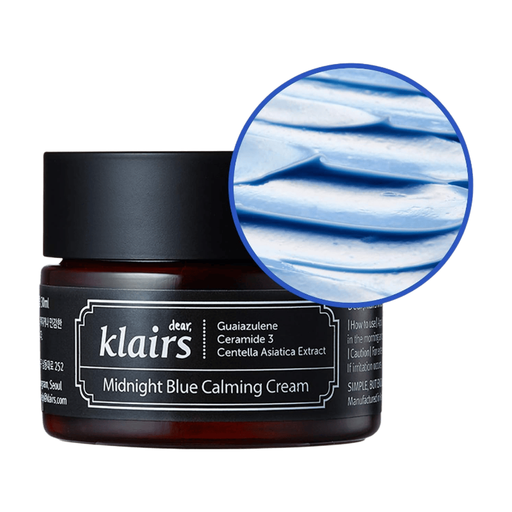
Why it suits this profile: The product description positions this cream as targeted evening care for sensitive or visibly red areas, rather than as a heavy cream for the whole body.
The usage advice recommends applying a small amount as the final step in your evening routine. This helps prevent over-application and a heavy feeling.
30 g; contains centella asiatica, guaiazulene, ceramide NP and hyaluronic acid according to the ingredients list; the formula is fragrance-free according to the product information.
Apply the cream to cleansed skin. A small amount is usually enough; using more product does not automatically mean more hydration. If you use a serum or toner, apply the cream afterwards. During the day, sunscreen should be the final step when it forms part of your routine.
Store the product according to the label, close jars securely and use clean hands or a spatula. Always check the expiry information and the period-after-opening symbol on the packaging. With a lightweight gel cream, applying an extra layer to dry areas can feel comfortable; with a rich cream, a thinner layer may be more pleasant.
We have put together a complete, up-to-date list of products that fully meet these strict selection criteria and the applicable European safety regulations.
Many products are intended for morning and evening use, but always follow the label. For oily skin, one thin layer may be enough. Dry skin may sometimes benefit from a richer cream or an extra layer on dry areas.
Shelf life varies by product and packaging. Check the expiry date or the period-after-opening symbol. A change in smell, colour or texture may be a reason to stop using the product.
Check the full ingredients list and, where possible, choose a formula without ingredients that have caused a reaction in the past. A soothing face cream containing ingredients such as panthenol or centella may suit a simple routine, but stop using it if irritation occurs and seek medical advice if symptoms persist.
