
Vandaag of morgen in huis

Kwaliteit gegarandeerd

Welkomstaanbiedingen ontgrendelen: GRATIS bezorging | Tot 80% korting | Gratis 30 dagen JoyPlus-proefperiode
Download de app
A hydrating face cream may seem like a straightforward purchase, but products vary considerably in texture, ingredients and ease of use. A rich cream can feel comforting on dry skin, yet too heavy on oily skin. A gel cream for the face absorbs quickly, but may feel less comfortable when your skin feels tight.
The right choice therefore starts not with a striking claim on the packaging, but with your skin type, the ingredients list and when you use the cream.
Terms such as “24-hour hydration”, “anti-ageing” or “skin barrier repair” sound specific, but the precise effect depends on the formula and your skin. According to a brand’s own research, for example, a product may demonstrate long-lasting hydration or an improved appearance. That is not a universal guarantee for every user.
So check both the product description and the full ingredients list. Ingredients such as glycerin, panthenol, squalane, hyaluronic acid and ceramides are often used in hydrating formulas, but their position in the ingredients list alone does not tell you how your skin will respond.
A product described as suitable for all skin types may feel comfortable for one person but too rich, too light or irritating for another. Pay particular attention to:
A 50 ml jar and a 100 ml tube are not automatically better value or more convenient. A larger pack is practical when you use the cream every day, while a smaller size can be useful for first seeing whether you like the formula. Also check the expiry information and the period after opening shown on the packaging.
A gel cream is often useful under sun cream or make-up because the texture generally absorbs quickly. A richer cream is more suited to an evening routine or dry skin that needs a comfortable layer of moisture.
Use a daily moisturiser after cleansing, optionally after a serum. During the day, follow it with a sun protection product. Apply a small amount and only add more if your skin needs it.
A skin barrier cream often contains a combination of humectants and skin-identical lipids. The ingredients list for The Ceramide Skin Barrier Moisturizer includes glycerin, squalane, cholesterol, panthenol, hyaluronic acid and several ceramides. According to the product description, the formula has been clinically tested as hypoallergenic and non-comedogenic; if you have sensitive skin, still check the packaging and consider carrying out a patch test on a small area of skin first.
For dry skin, shea butter, jojoba oil, macadamia oil and other soothing ingredients can contribute to a richer skin feel. According to the supplied ingredients list, Pyunkang Yul Nutrition Cream contains shea butter, jojoba oil, astragalus root extract and sodium hyaluronate, among other ingredients.
“Fragrance-free” is a verifiable property when confirmed on the packaging and in the ingredients list. Medicube Salmon DNA PDRN Pink Hyaluronic Moisturizing Cream, on the other hand, lists fragrance among its ingredients. This makes it a less obvious choice for anyone specifically looking for a fragrance-free face cream.
Stop using the product if irritation, redness, itching or swelling occurs. Avoid contact with the eyes and do not use cosmetics on damaged skin. If you have known allergies, the ingredients list should be your guide.

Why it suits this profile: The lightweight gel texture is suitable for anyone looking for a simple daily moisturiser without a heavy feel on the skin.
The product information explicitly mentions a lightweight gel texture and use for oily skin, so you are less likely to rely solely on a general “for all skin types” claim.
100 ml content, a gel cream for the face and, according to the product details, dermatologically tested and paraben-free.

Why it suits this profile: This Korean face cream appeals to shoppers who actively compare ingredients lists and are specifically looking for a skin barrier cream.
The formula specifically lists ceramides, cholesterol, squalane, glycerin and different forms of hyaluronic acid, rather than making only a general barrier claim.
80 ml content; according to the product information, clinically tested as hypoallergenic and non-comedogenic.
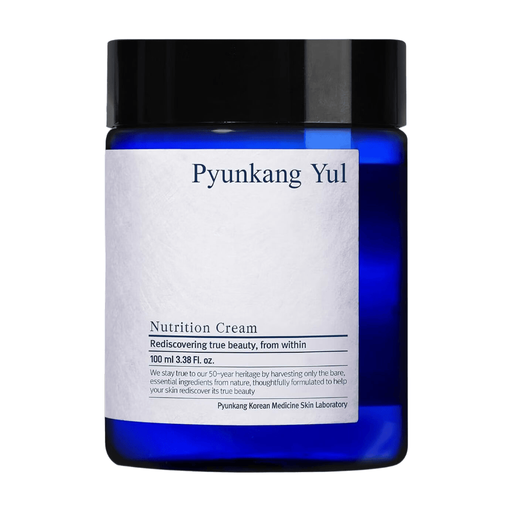
Why it suits this profile: A suitable choice for anyone seeking a rich moisturiser for dry, demanding or mature skin, for example as the final step in an evening routine.
The product description highlights the rich texture, but also states that the cream should absorb without leaving a heavy or greasy residue. Check this against your own skin and experience with the product.
100 ml content; according to the product information, fragrance-free and containing shea butter, jojoba oil and sodium hyaluronate.
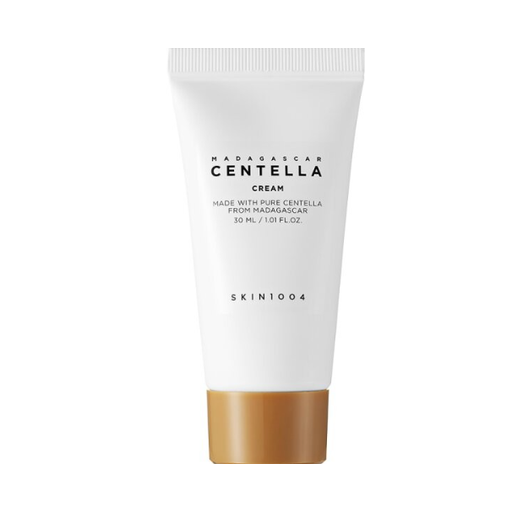
Why it suits this profile: The lightweight formula is intended for normal and sensitive skin and may suit anyone wanting to use a cream under make-up or sun cream.
The product information specifies the skin types, texture and ingredients such as panthenol and Centella Asiatica. This offers more guidance than relying solely on the word “soothing”.
30 ml content; fast-absorbing, lightweight formula according to the product description.
We have put together a complete, up-to-date list of products that fully meet these strict selection criteria and the applicable European safety regulations.
A cream that causes immediate stinging or prolonged redness is probably not suitable for your skin. Give a new moisturiser a few days to assess how it feels on your skin, but stop using it if you experience clear irritation.
Look for a formula with humectants such as glycerin or hyaluronic acid, complemented by soothing ingredients such as shea butter, oils or squalane. A richer cream, such as Pyunkang Yul Nutrition Cream, may feel more comfortable than a lightweight gel cream. The right choice depends on your texture preference and how your skin responds.
You can if the cream feels comfortable and works well with the rest of your routine. During the day, sun protection is important; a face cream does not replace it. A lightweight formula is often easier to wear under make-up, while a richer cream may be suitable for the evening.
Follow the expiry date and period-after-opening information on the packaging. Keep the cream closed and store it in a cool, dry place away from direct sunlight. A change in smell, colour or texture may be a reason to stop using the product. The current packaging should always be treated as definitive, as ingredients and product information may vary by batch or market.
