
Vandaag of morgen in huis

Kwaliteit gegarandeerd

Welkomstaanbiedingen ontgrendelen: GRATIS bezorging | Tot 80% korting | Gratis 30 dagen JoyPlus-proefperiode
Download de app
Dry, tight-feeling skin, a shiny T-zone or cream that pills underneath make-up: the wrong hydrating face cream can make your daily routine unnecessarily difficult. Marketing copy often promises long-lasting hydration, a stronger skin barrier and suitability for all skin types. Yet a claim alone does not tell you enough about the texture, ingredients or application.
Pay particular attention to the following potential pitfalls:
A good moisturiser often combines several types of ingredients:
A moisturiser with hyaluronic acid may feel lightweight, but the overall formula determines how comfortable and nourishing the cream is. Hyaluronic acid alone does not automatically make a product suitable for every skin type.
A gel cream for the face is generally lightweight and absorbs quickly. This can be useful for oily, combination or normal skin, or when you want to use the cream under make-up and sunscreen.
For a face cream for dry skin, a richer cream is often the more logical choice. Look for emollient ingredients such as oils, shea butter, fatty acids and ceramides. With a hydrating cream for sensitive skin, fragrance-free options and a short, straightforward ingredients list are practical starting points. Test a new product on a small area of skin first and stop using it if irritation occurs.
Do not compare the price alone; also check the size: 15, 30, 50, 75 or 100 ml makes a difference to the price per millilitre. A smaller pack can be useful for trying a product first.
Also check whether the product is intended to be used as:
During the day, use a sunscreen product if that suits your routine. A hydrating cream is not a substitute for sun protection.
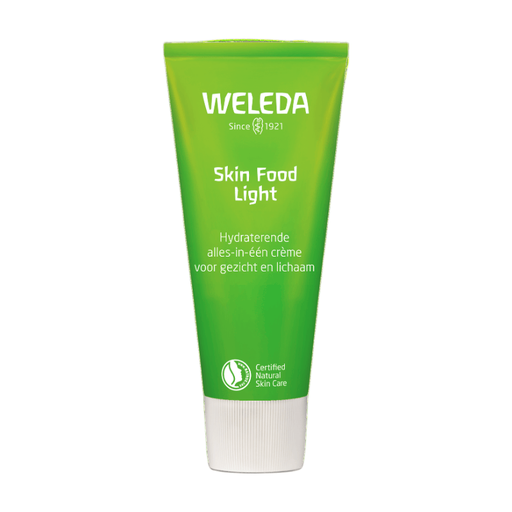
Why it suits this profile: The cream is intended for the face and body and, according to the product description, has a lightweight, fast-absorbing formula for dry skin.
The packaging clearly states that it can be used on the face and body. However, bear in mind that it contains lavender, orange and benzoin resin fragrances.
75 ml, suitable for the face and body, lightweight texture and natural ingredients according to the product information.

Why it suits this profile: According to Clinique, the oil-free gel cream is fragrance-free, non-comedogenic and suitable for various skin types.
The formula and size are clearly stated. The claim of up to 100 hours of hydration is a brand claim, so treat it as a guideline rather than a personal guarantee.
75 ml, oil-free gel cream with glycerine and sodium hyaluronate in the ingredients list.
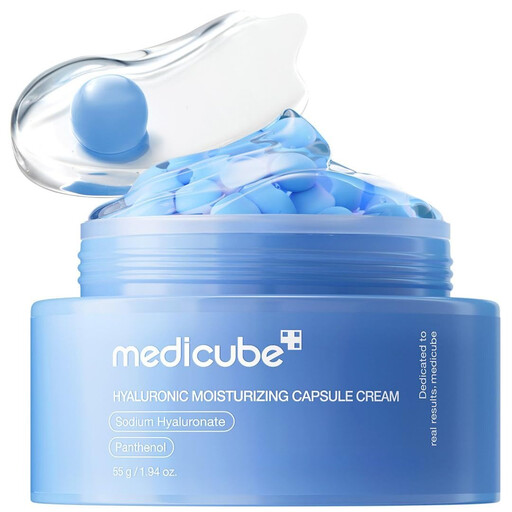
Why it suits this profile: The combination of a gel base and blue moisture capsules suits users looking for a lightweight texture with added comfort.
The ingredients list is specific, including glycerine, sodium hyaluronate, panthenol, ceramide NP and squalane. This makes it easier to compare than relying on the capsule presentation alone.
55 ml, gel and capsule texture, with several hydrating and barrier-supporting ingredients.

Why it suits this profile: The formula contains panthenol, ceramide NP, ceramide EOP, glycerine, allantoin and sodium hyaluronate.
The product information mentions use for sensitive skin, but always check the current packaging and carry out a patch test beforehand.
100 ml, several ceramides, panthenol and usage guidance for morning and evening.
We have put together a complete, up-to-date list of products that fully meet these strict selection criteria and the applicable European safety regulations.
That depends on the formula and your skin’s needs. Many products are designed for use once or twice a day after cleansing. Start with a small amount. If you have dry skin, applying it a second time in the evening may feel beneficial; for oily skin, a thin layer is sometimes enough.
Follow the shelf-life information on the packaging, such as the expiry date or the symbol indicating the period after opening. Store the cream somewhere cool and dry, close the packaging securely and do not use a product if its smell, colour or texture has clearly changed.
No. Compare the price per millilitre, ingredients, size and texture. An affordable moisturiser may fit your routine perfectly, while a more expensive formula may be appealing mainly because of its desired texture, packaging or specific ingredients. If you have sensitive skin, always carry out a small patch test first.
