
Vandaag of morgen in huis

Kwaliteit gegarandeerd

Welkomstaanbiedingen ontgrendelen: GRATIS bezorging | Tot 80% korting | Gratis 30 dagen JoyPlus-proefperiode
Download de app
A hydrating face cream may seem simple to choose, but there are significant differences in texture, ingredients and how products are used. A rich cream can feel comfortable on dry skin but may feel too heavy on combination skin. A lightweight gel cream works well under make-up, but may offer less comfort if your skin quickly feels tight.
Pay particular attention to these three common pitfalls:
A moisturising face cream often contains several types of ingredients:
A formula containing only water-binding ingredients may feel lightweight. For dry skin, a combination with oils or butters is often more comfortable. If you have combination or oily skin, you may prefer a gel cream or a non-sticky lotion.
Consider your daily routine. A lightweight gel cream is practical under sun cream or make-up and generally absorbs quickly. A nourishing face cream containing shea butter or oils may be better suited to an evening routine or dry skin.
The packaging usually states whether a product is suitable for morning and evening use. During the day, also use a sun protection product when your skin is exposed to UV radiation. A face cream containing retinol requires extra care: retinol can increase sensitivity to sunlight. Follow the product instructions and gradually build up your usage.
For sensitive skin, a simple formula, a patch test and avoiding known allergens are useful considerations. “Hypoallergenic” or “dermatologically tested” is product information provided by the brand, not a guarantee that everyone will tolerate the product without problems.
According to the product information, some formulas are fragrance-free, while others contain essential oils or perfume. For example, Dear, Klairs Rich Moist Soothing Cream contains essential oils, despite being positioned for sensitive skin. If you are quick to react to fragrances, it is a good idea to check the full INCI list.
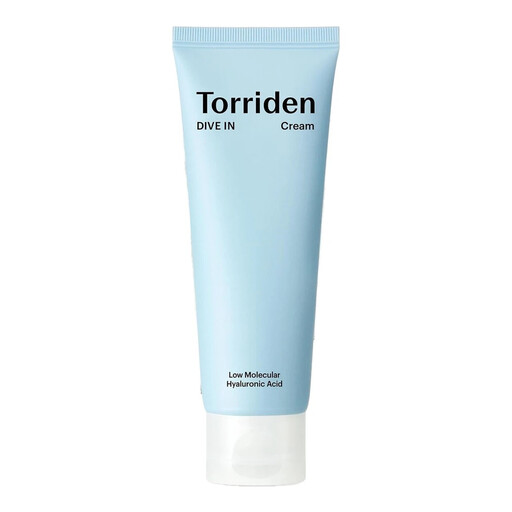
Why it suits this profile: An accessible Korean face cream for anyone looking for an everyday, fast-absorbing formula with hyaluronic acid.
The product information describes a lightweight texture without a sticky or greasy feel. However, check the full ingredients list if you are sensitive to certain plant extracts.
Contains several forms of sodium hyaluronate, jojoba oil, beta-glucan and ceramide NP; 80 ml contents.

Why it suits this profile: Ideal for users who value a gel texture, a fragrance-free formula and versatility across several skin types.
For many users, the gel base avoids a heavy feel. The claim of up to 100 hours of hydration comes from Clinique’s product description and is not a personal guarantee.
According to the product details, free from alcohol, perfume, parabens and phthalates; stated to be suitable for dry, combination and oily skin.
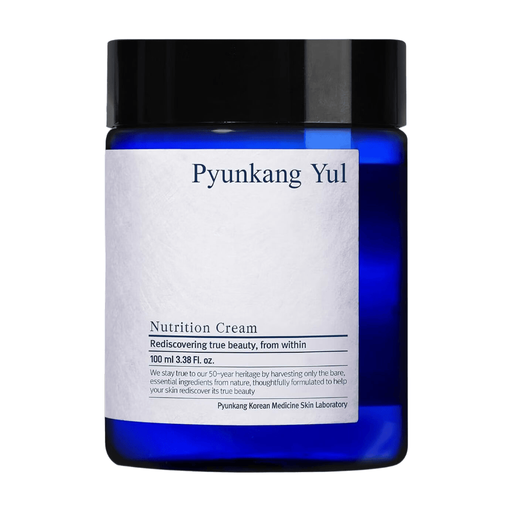
Why it suits this profile: A richer Korean face cream for dry, mature or demanding skin that needs extra nourishment, particularly in the evening.
The formula combines astragalus root extract, shea butter and jojoba oil rather than relying on just one hydrating ingredient. The product description states that it is fragrance-free.
100 ml contents; contains shea butter, jojoba oil and sodium hyaluronate; intended as the final step in your routine.
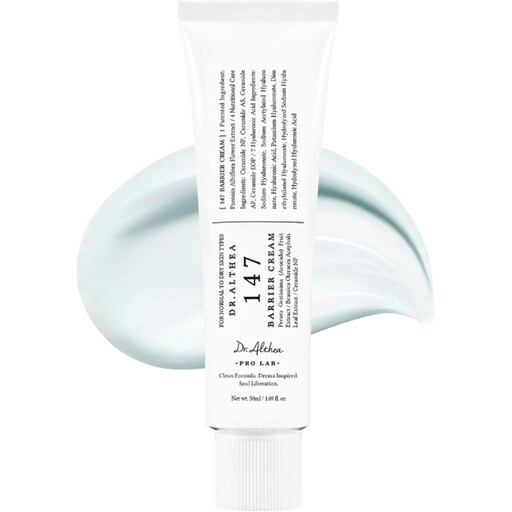
Why it suits this profile: Suitable for anyone who wants to consciously include ceramides and several forms of hyaluronic acid in a rich everyday routine.
The product description mentions seven types of hyaluronic acid and ceramides. The stated soothing effect of guaiazulene is a brand claim; check the current packaging and stop using the product if irritation occurs.
Ceramides, seven types of hyaluronic acid and vitamin E according to the product information; 50 ml contents.
We have compiled a complete, up-to-date list of products that fully meet these strict selection criteria and the applicable European safety regulations.
Cleanse your face, use a toner or serum if desired, then apply a small amount of cream. Gently spread the product over your face and neck. During the day, apply sun cream as the final step. If you have sensitive skin, start with a small amount and test a new product on a small area of skin first.
The shelf life is stated on the packaging, for example as an expiry date or as a symbol indicating the number of months after opening. Store the cream in a cool, dry place away from direct sunlight, and close the packaging securely. If the scent, colour or texture changes noticeably, stop using the product.
No. The right choice depends on your skin type, preferred texture, ingredients and when you plan to use it. Compare the contents in millilitres, the ingredients list and any fragrances. A simple formula that you use consistently may be more practical than a product with numerous claims that does not feel comfortable on your skin.
