
Vandaag of morgen in huis

Kwaliteit gegarandeerd

Welkomstaanbiedingen ontgrendelen: GRATIS bezorging | Tot 80% korting | Gratis 30 dagen JoyPlus-proefperiode
Download de app
A hydrating face cream may seem like a simple product, but options vary widely in texture, ingredients and use. Dry skin often needs a richer formula than oily skin, while sensitive skin may react to fragrance or a long ingredients list.
Marketing does not always make comparison easier. Claims about “deep hydration”, smoother-looking skin or a restored skin barrier may sound appealing, but they only mean something when you also consider the formula, size and usage instructions. These practical checks can help you avoid buying a product that ends up sitting unused in the cupboard after a few weeks.
A rich cream can feel comfortable as a face cream for dry skin, but may feel heavy on combination or oily skin. Conversely, a very light face lotion may not provide enough comfort when your skin feels tight.
So pay attention to the product format:
A product description may refer to a certain number of hours of hydration, a percentage increase in moisture or a visibly younger-looking appearance. Treat this as a brand claim, not as a guaranteed result for every user. According to Clinique’s own research, Moisture Surge 100H, for example, is said to provide a 174% moisture boost and up to 100 hours of hydration. Always check the packaging and the latest product information.
An anti-ageing face cream can make skin feel more comfortable and smoother, but cosmetics do not automatically alter wrinkles or skin structure.
A product designed for sensitive skin is not necessarily suitable for everyone. Check the ingredients list for perfume, fragrance ingredients, alcohol and any known personal allergens. A fragrance-free face cream may be a logical choice if you prefer to avoid fragrance ingredients, but other components can also cause irritation.
Test a new product on a small area of skin first. Stop using it if you experience redness, swelling, itching or a burning sensation, and follow the safety information on the packaging.
A cream with hyaluronic acid often contains ingredients such as sodium hyaluronate or hydrolyzed hyaluronic acid. These substances are used as humectants. Glycerine, urea, betaine and panthenol are also common in hydrating formulas.
Do not focus on just one popular ingredient. The overall formula determines how a product feels on the skin. A combination of humectants, emollients and ingredients that form a protective layer can feel more comfortable on dry skin.
If you are looking to restore the skin barrier, it is best not to view the claim separately from the formula. Ceramides, cholesterol, fatty acids, glycerine and silicones, for example, are found in products designed to help limit moisture loss or keep skin feeling comfortable.
According to the product description, The Ceramide Skin Barrier Moisturizer contains several ceramides, cholesterol, panthenol and hyaluronic acid. The manufacturer also states that the product has been tested as hypoallergenic and non-comedogenic. This remains manufacturer product information, so check the packaging when purchasing.
Compare millilitres or grams, not just the jar or bottle. A 30 ml pack is convenient to take with you or try first. A 140 or 200 ml lotion may be more practical for everyday use, depending on the price and how much you need each time.
Also check:
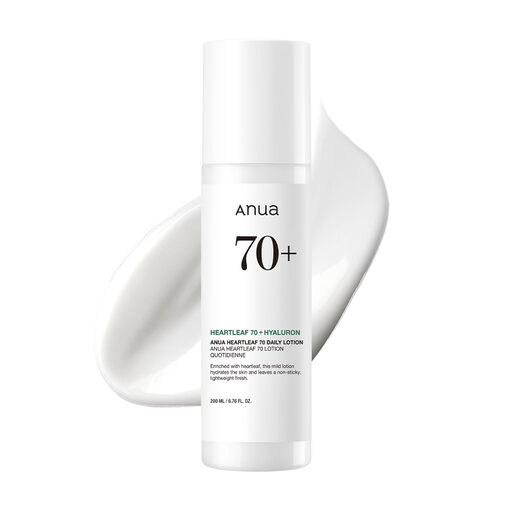
Why it suits this profile: The generous size and lightweight lotion texture are ideal for a simple morning and evening routine without several heavy creams.
The product information states that the formula is free from fragrance and colourants, and advises stopping use if irritation occurs. This lets you assess claims alongside practical usage information.
200 ml; glycerine, sodium hyaluronate and several plant extracts in the ingredients list.
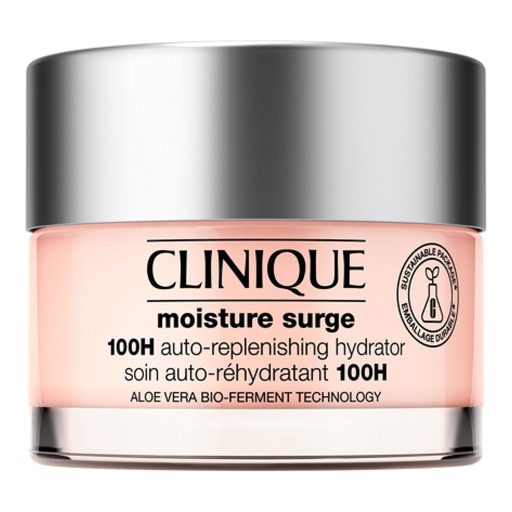
Why it suits this profile: The oil-free gel cream is designed for different skin types and can be used on its own, under make-up or as a short-term mask.
The gel texture helps prevent you from automatically choosing a heavy cream. The product listing also describes it as fragrance-free, alcohol-free and non-comedogenic.
50 ml; oil-free gel cream; hyaluronic acid and aloe bio-ferment according to the product description.

Why it suits this profile: The formula is designed for anyone who pays extra attention to comfort, moisture retention and barrier care in their daily routine.
The detailed ingredients list allows you to check the formula rather than relying solely on a marketing claim. A patch test is recommended before first use.
80 ml; ceramides, glycerine, squalane, panthenol and several forms of hyaluronic acid according to the product information.
We have put together a complete, up-to-date list of products that fully meet these strict selection criteria and the applicable European safety regulations.
Most products are designed for use morning and evening after cleansing. Always follow the label. Apply a small amount to your face and, if needed, your neck. During the day, sunscreen should be the final step unless your moisturiser already contains a suitable SPF.
For dry skin, look for glycerine, hyaluronic acid, panthenol, ceramides and emollient ingredients. For sensitive skin, a fragrance-free formula with a short, easy-to-understand ingredients list may be more practical. “Suitable for sensitive skin” is a product description; your own tolerance remains the deciding factor.
Check the expiry date and the period-after-opening symbol on the packaging. Store the cream in a cool, dry place away from direct sunlight, and close the packaging securely. A change in smell, colour or texture is a reason to stop using the product.
