
Vandaag of morgen in huis

Kwaliteit gegarandeerd

Welkomstaanbiedingen ontgrendelen: GRATIS bezorging | Tot 80% korting | Gratis 30 dagen JoyPlus-proefperiode
Download de app
A hydrating face cream should feel comfortable and suit your skin type, daily routine and preferred finish. However, comparing products is not always straightforward. A gel cream may seem lightweight but still leave your skin feeling tight. A rich cream may feel soothing on dry skin, yet too heavy on oily or combination skin.
That is why the search term best face cream means little without further criteria. Instead, look at texture, ingredients, packaging and intended use. This helps you avoid paying mainly for an attractive claim.
Words such as “radiant”, “refines pores” and “skin barrier repair” sound appealing, but they are not automatically a guarantee for every user. According to a brand’s own research or claims, a product may help with a particular skin concern, but your skin may react differently.
So look for verifiable information:
A light face cream may be a gel, lotion, fluid or water cream. These textures differ in how quickly they absorb and how much moisture they retain. A moisturising face cream with glycerine or hyaluronic acid can feel lightweight, while a formula containing oils, shea butter or silicones may be more occlusive.
Oily skin does not necessarily need a product without nourishing ingredients. A formula that is too light may actually feel less comfortable. Look for a good balance between hydration and finish.
“Fragrance-free”, “vegan” or “hypoallergenic” describe product properties; they are not a guarantee that everyone will tolerate the cream. Always check the label. Plant extracts and essential oils may also be unsuitable for some people.
Apply a new product to a small area of skin first and stop using it if irritation occurs. If symptoms persist, it is wiser to seek advice from a doctor or pharmacist.
Glycerine helps attract moisture and is found in many hydrating formulas. Hyaluronic acid and forms such as sodium hyaluronate are often used in a face cream with hyaluronic acid. The performance and feel on the skin depend on the overall formula, not just one ingredient.
Niacinamide is found in products including Beauty of Joseon Dynasty Cream and SKIN1004 Tone Brightening Capsule Cream. According to the product descriptions, this ingredient is associated with caring for the appearance of the complexion and the skin barrier. Treat this as brand product information, not a medical promise.
Ceramide NP is found, among others, in Dynasty Cream and Torriden DIVE-IN Cream. Ceramides may be worth considering if you are looking for a more comfortable, less tight feeling on the skin. Always check the concentration and the rest of the ingredients.
A jar may look more luxurious, but a tube or pump bottle generally limits direct contact with the product. Also consider the amount: 50 ml is common for a face cream, while 100 or 180 ml may offer better value if you also use the product on your neck or body.
Follow the instructions on the packaging. A hydrating face cream is usually applied as the final step, before sun cream during the day. An exfoliating formula, such as a product containing AHA, requires extra attention to frequency of use and sun protection. If in doubt, check the label.
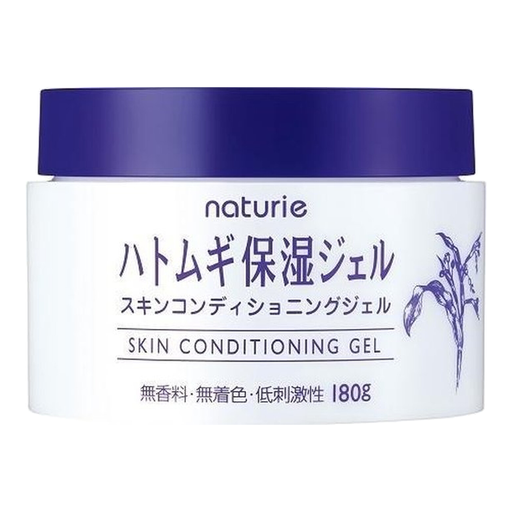
Why it suits this profile: The generous 180 g size and gel texture make this a practical choice for daily use on the face and body.
The specifications describe a fragrance-free, alcohol-free and non-sticky gel. However, check the label on the packaging you receive before use.
180 g, gel texture and, according to the product specifications, suitable for oily, combination and sensitive skin.
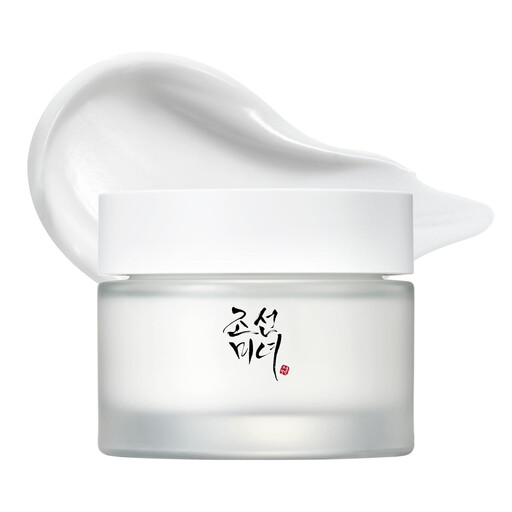
Why it suits this profile: This Korean face cream is ideal for anyone who enjoys a creamy formula with rice water, ginseng water, niacinamide and ceramide NP.
The product information states that it has a fragrance-free formula and lists specific ingredients, so you do not have to judge it by appearance alone.
50 ml, creamy formula and, according to the specifications, vegan, paraben-free and suitable for all skin types.
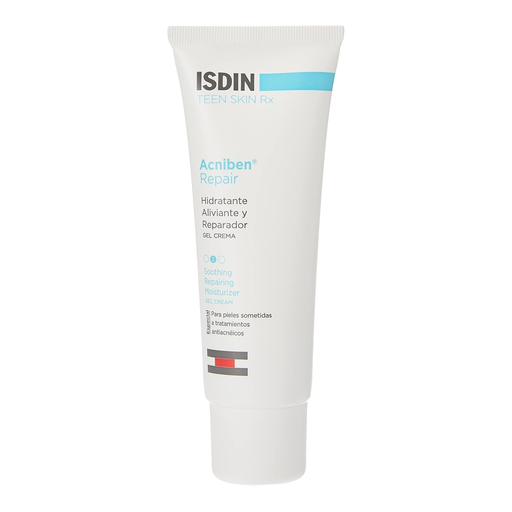
Why it suits this profile: A fragrance-free gel cream for users looking for a lightweight formula as part of a targeted skincare routine.
The product description mentions a fragrance-free gel texture and hyaluronic acid. This product is not a substitute for medical advice or treatment.
40 ml, fragrance-free formula and, according to the specifications, suitable for sensitive and acne-prone skin.
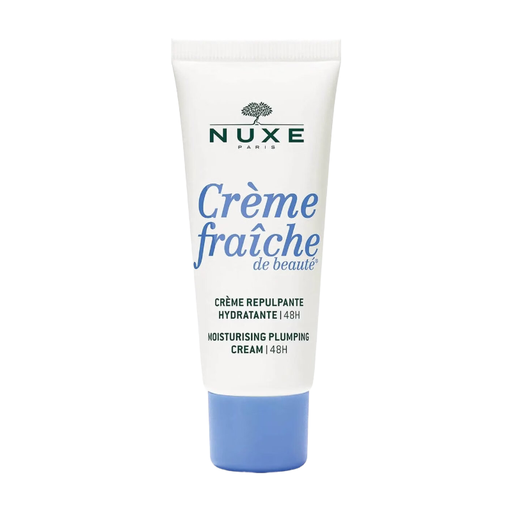
Why it suits this profile: The gel-like fluid is intended for combination skin and can feel comfortable under make-up.
The specifications state that it has an oil-free formula, gel texture and non-comedogenic claim. However, the ingredients list contains fragrance, so consider your personal tolerance.
50 ml, matte finish according to the product description and sodium hyaluronate in the ingredients list.
We have put together a complete, up-to-date list of products that fully meet these strict selection criteria and the applicable European safety regulations.
Look for a gel cream, lotion or fluid with a lightweight, non-greasy finish. Also check whether the formula contains fragrance and whether the ingredients suit your skin. A matte finish is a product property, not a guarantee that your skin will remain shine-free all day.
Hyaluronic acid is found in formulas for various skin types. The ingredient itself does not determine whether a cream is suitable. Look at the complete formula, test it carefully on a small area of skin and apply the cream according to the packaging.
The shelf life is stated on the packaging, for example as a best-before date or a period after opening. Store the cream in a cool, dry place away from direct sunlight. Has the scent, colour or texture changed? Stop using the product and check the manufacturer’s instructions.
