
Vandaag of morgen in huis

Kwaliteit gegarandeerd

Welkomstaanbiedingen ontgrendelen: GRATIS bezorging | Tot 80% korting | Gratis 30 dagen JoyPlus-proefperiode
Download de app
Buying a hydrating face cream might seem simple, but there are big differences in texture, ingredients and use. A gel cream can feel comfortable on oily skin, while dry skin often benefits more from a nourishing face cream with soothing and protective ingredients. Sensitive skin also calls for a closer look at fragrance, alcohol and plant extracts.
Look out for these common pitfalls:
A good formula often combines several types of ingredients:
The presence of an ingredient does not automatically mean the product will work the same way for everyone. Check the order of ingredients on the list too, and consider any allergies you may have.
For a face cream for dry skin, a richer texture and ingredients such as glycerin, oils, squalane or ceramides are often practical choices. If you react quickly to new products, a face cream for sensitive skin should also have as simple a formula as possible.
For combination, oily or acne-prone skin, a lightweight gel texture is often a better option. Products with a non-greasy finish can feel more comfortable under sun cream or make-up. According to the product information, some formulas are described as non-comedogenic. This remains a product claim and does not mean that breakouts will be prevented for every user.
A hydrating face cream is usually intended for daily use, but follow the instructions on the packaging. Apply the cream to cleansed skin and use a separate sunscreen during the day if it suits your routine.
When buying, check:
Stop using the product if you experience redness, swelling, itching or a burning sensation. Do not apply skincare products to damaged skin, and avoid contact with your eyes.

Why it suits this profile: According to the product information, this lightweight gel cream contains 77% oat seed water and comes in a 100 ml size. It’s a straightforward choice if you want to build a simple daily routine.
The gel texture helps avoid the heavy feel some rich creams can leave behind. If you have a known oat allergy, check the ingredients first.
77% oat seed water according to the product description, plus panthenol, squalane and beta-glucan; suitable for morning and evening use according to the instructions.

Why it suits this profile: According to the product information, this gel cream is alcohol-free, fragrance-free and non-comedogenic. The formula is intended for several skin types, including dry, combination and oily skin.
The product information clearly states that it contains no fragrance or alcohol. The stated hydration duration is a claim made by Clinique, not a guaranteed result for every skin type.
30 ml gel texture; fragrance-free and alcohol-free according to the product details, and suitable for use under make-up.
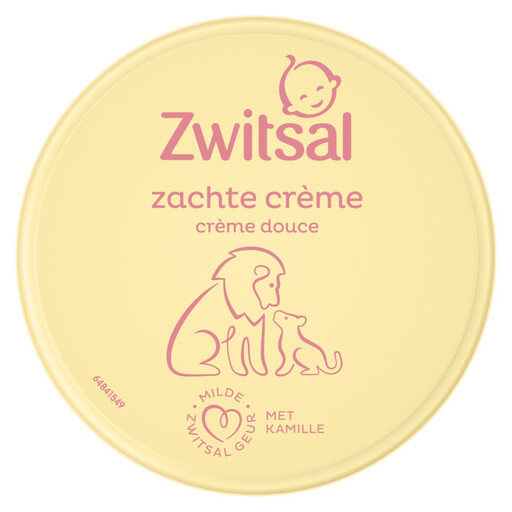
Why it suits this profile: According to the product information, this cream is intended for the face and body, has a creamy texture and contains vitamin E. The stated age recommendation is from birth.
The intended use and size are clearly stated. It does have a Zwitsal fragrance, so it is not automatically a fragrance-free face cream.
200 ml; suitable for face and body; pH skin-neutral and dermatologically tested according to the product information.
We’ve put together a complete, up-to-date list of products that meet these strict selection criteria and current European safety regulations.
Start by looking for a short ingredients list and checking for fragrance, alcohol or known allergens. A fragrance-free face cream can be a practical starting point, but carry out a patch test if you’re unsure. If skin problems persist, it’s wiser to seek advice from a doctor or dermatologist than to keep trying new products.
Many products are intended for use in the morning and evening. Apply a small amount after cleansing and build up gradually if needed. Dry skin may benefit from a richer layer, while oily or combination skin usually feels more comfortable with a thin layer of hydrating gel cream.
Sometimes the packaging states that a product is suitable for both face and body, as is the case with certain NIVEA, Zwitsal and Weleda formulas. Don’t automatically use a body cream on your face: its texture, fragrances and ingredients may be formulated differently. Always check the stated area of use and see how your own skin reacts.
