
Vandaag of morgen in huis

Kwaliteit gegarandeerd

Welkomstaanbiedingen ontgrendelen: GRATIS bezorging | Tot 80% korting | Gratis 30 dagen JoyPlus-proefperiode
Download de app
A hydrating face cream may seem like a simple purchase, but products vary widely in texture, ingredients and intended use. A light gel cream can feel comfortable on oily or combination skin, while a richer cream may be a better fit if your skin feels tight or dry. Focusing only on claims such as “intense hydration” or “repair” can still lead you to choose a product that doesn’t suit your daily routine.
Not every hydrating cream is intended for the face. The range may include body creams and body lotions marketed for dry skin, for example. But facial skin can react differently to fragrance, oils or a heavier texture. Always check the product type and the areas it’s intended for.
A hyaluronic acid cream can help the skin’s surface retain moisture, but it’s the overall formula that determines how a cream feels. Look out for glycerine, panthenol, squalane, plant oils and ceramides too. A ceramide cream may be worth considering if you’re specifically looking for a barrier-repair cream, but a rich formula may feel less comfortable on oily skin.
Terms such as “soothing”, “repairing” or “100 hours of hydration” aren’t a personal guarantee. According to Clinique’s product description, Moisture Surge 100H provides up to 100 hours of hydration. This is a claim made by the brand, not a universal result for every user. Check the ingredients list, directions for use and warnings. If you have sensitive skin, it’s a good idea to do a patch test.
Texture can make all the difference to whether you enjoy using a product every day:
A face cream for dry skin often contains several moisturising and soothing ingredients. For oily skin, “oil-free” isn’t the only thing that matters: check the full ingredients list and consider the finish you want.
Glycerine, betaine and hyaluronic acid are moisture-binding ingredients commonly found in everyday moisturisers. Hyaluronic acid can come in different forms and molecular weights. That doesn’t automatically mean one form works better for everyone. The rest of the formula, the amount used and how you apply it all help shape your experience.
Ceramides, cholesterol and fatty acids are found in formulas designed to support the skin barrier. According to the product information, The Ceramide Skin Barrier Moisturizer contains several ceramides, cholesterol, panthenol and hyaluronic acid. This makes it a useful option to compare if you’re looking for a barrier-repair cream, without attributing any medical benefits to it.
If you’re looking for a cream for sensitive skin, you may prefer a fragrance-free formula. Clinique states that Moisture Surge 100H is fragrance-free and alcohol-free, among other details. According to its ingredients list, NIVEA Soft does contain fragrance and fragrance allergens. That doesn’t automatically make it unsuitable, but it’s worth checking if you’ve reacted to fragrance before.
Also look out for claims such as “non-comedogenic”, “dermatologically tested” or “hypoallergenic”. These are product specifications or claims to verify on the packaging; they can’t predict with certainty how your skin will react.
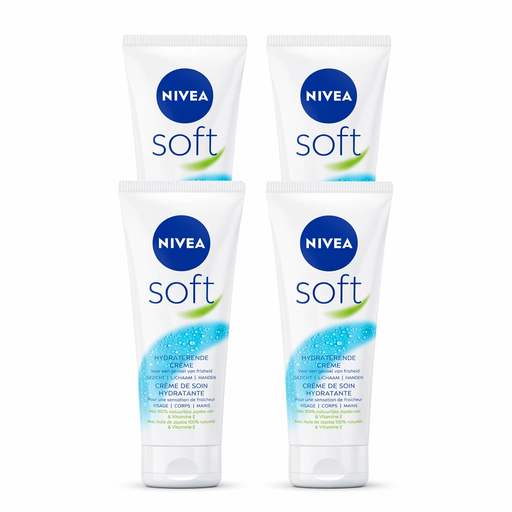
Why it suits this profile: This cream is intended for the face, hands and body, and comes in a 4-pack. It can be a practical choice if you want to use one product on several areas.
The intended use and ingredients are clearly listed. If you have sensitive skin, check for fragrance and alcohol denat.
A light oil-in-water formula with vitamin E and jojoba oil; suitable for everyday use on several areas of the skin.

Why it suits this profile: This gel cream is intended for dry, very dry, combination and oily skin. According to the directions, it can also be used as a mask.
The product information specifies its gel texture and facial use, and states that it’s free from fragrance and alcohol.
A 30 ml gel cream that’s fragrance-free according to the product description, and suitable for wearing under make-up.

Why it suits this profile: The formula focuses on moisture and skin barrier comfort. It can be applied morning and evening after a serum or ampoule.
The ingredients list shows that the formula doesn’t rely on hyaluronic acid alone: it also contains ceramides, cholesterol and panthenol.
80 ml, several ceramides, sodium hyaluronate and directions for use in the morning and evening.
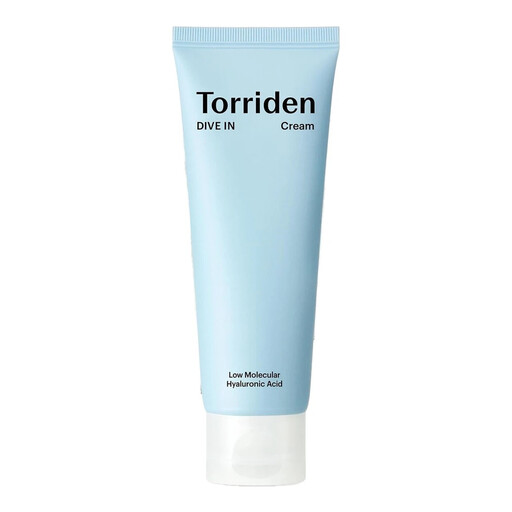
Why it suits this profile: According to the product information, this Korean skincare cream combines several forms of hyaluronic acid with ingredients including beta-glucan, allantoin and ceramide NP.
The full ingredients list is provided, so you can check for oils, fragrance and supporting ingredients.
80 ml, several forms of hyaluronic acid and a product description that notes its light, fast-absorbing texture.
We’ve put together a complete, up-to-date list of products that meet these strict selection criteria and the applicable European safety regulations.
Apply the cream to a cleansed face. Unless the packaging advises otherwise, a pea-sized amount is often a practical starting point. In the morning, follow your moisturiser with a sun protection product if it fits into your routine. Dry skin may benefit from a richer layer in the evening, while a light gel cream may feel more comfortable during the day.
Also check the expiry date, period after opening and storage instructions on the packaging. Stop using the product if you experience redness, itching, a burning sensation or swelling. If symptoms persist, seek advice from a doctor or pharmacist.
Start by looking for a short, easy-to-follow ingredients list and check whether it contains fragrance or alcohol. A cream for sensitive skin won’t automatically suit everyone. Test a small amount on a limited area of skin and follow the warnings on the packaging.
Most of the products in this selection are intended for daily use, often in the morning and evening. Always follow the directions for the specific product. If you have oily skin, one thin layer may be enough; if your skin is dry, a richer evening routine may feel more comfortable.
No. The price doesn’t only reflect the formula; it may also be influenced by the brand, packaging and positioning. Compare the size, texture, ingredients, intended skin type and directions for use. That way, you can choose a daily moisturiser based on features you can check, rather than marketing language alone.
