
Vandaag of morgen in huis

Kwaliteit gegarandeerd

Welkomstaanbiedingen ontgrendelen: GRATIS bezorging | Tot 80% korting | Gratis 30 dagen JoyPlus-proefperiode
Download de app
A hydrating face cream should be easy to choose, but product pages often make it more complicated than necessary. Terms such as “intensive hydration”, “barrier repair” and “soothing” sound appealing, but they only tell you something once you check the ingredients, texture and directions for use.
Especially if you have sensitive, dry or oily skin, choosing the wrong moisturiser can leave your skin feeling tight, looking shiny or becoming irritated. Below, you’ll find practical points to consider in the Netherlands before buying a face cream.
A brand may claim that a cream reduces redness, strengthens the skin barrier or regulates sebum. This is not a guaranteed effect for every user. Treat such claims as brand statements: according to the brand’s own research, a product may, for example, help support a particular skin feel or appearance.
Pay particular attention to information that can be checked:
A moisturiser for dry skin often contains more oils, butters or occlusive ingredients. This can feel pleasant on dry skin, but may feel heavy on oily or combination skin. A hydrating cream for oily skin is therefore often more of a gel-cream or lightweight lotion than a thick balm.
Don’t just look for the word “hydrating”. Check whether the product description also mentions a lightweight, fast-absorbing or non-sticky texture.
A face cream for sensitive skin may still contain ingredients that you personally react to. For example, Dear, Klairs Rich Moist Soothing Cream contains essential oils, including lemon, lavender and eucalyptus oil. The product information also lists potential fragrance allergens. If you are prone to reacting to perfume or essential oils, it’s worth considering a different formula.
Carry out a patch test before using a new product and stop if irritation occurs. If skin problems persist, seeking advice from a doctor or dermatologist is wiser than continually trying a different cream.
Ingredients such as glycerine, hyaluronic acid and panthenol help attract moisture or give the skin a hydrated feel. A hyaluronic acid cream may be suitable if you want a lightweight, dewy finish. If your skin is very dry, a humectant alone may not always be enough. A cream containing oils, butters or silicones can help the moisturised feeling last longer.
According to the ingredients list, Hyaluronic Acid Intensive Cream contains glycerine, betaine, sodium hyaluronate, sunflower oil and macadamia oil, among other ingredients.
A skin barrier cream often contains ceramides, cholesterol, fatty acids or similar supporting ingredients. Ceramide cream is a search term that is particularly relevant if you have dry or tight-feeling skin and are looking for richer care.
The Ceramide Skin Barrier Moisturizer contains several ceramides, cholesterol, phytosphingosine, panthenol and various forms of hyaluronic acid. The product information recommends a patch test and states that the product is for external use.
Please note: “strengthens the barrier” is a product claim. According to the manufacturer, the formula may support the skin’s moisture barrier; it is not a medical treatment.
The right texture determines whether you continue using the cream every day:
A tube is practical and limits contact with the contents. If the product comes in a jar, hygienic use is important. Also check the contents in millilitres or grams and the expiry information on the packaging.
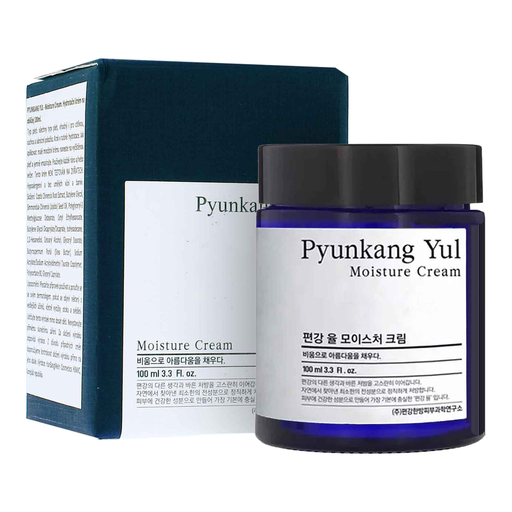
Why it suits this profile: The 100 ml packaging and lotion-like cream texture are practical for everyday use. The product description states that the formula is suitable for all skin types, with particular attention to sensitive and oily skin.
According to the product information, the formula is fragrance-free and absorbs quickly without leaving a greasy or sticky residue. Check the current packaging when buying.
100 ml contents, tube packaging, fragrance-free product information and a lotion/cream texture for the face and neck.

Why it suits this profile: This Korean face cream is ideal for users who want to base their choice on a detailed ingredients list and barrier-focused skincare.
The ingredients list shows that the cream contains ceramides, cholesterol, panthenol and hyaluronic acid. This allows you to assess the formula rather than relying solely on advertising claims.
80 ml contents, several ceramides, cholesterol, phytosphingosine and multiple forms of hyaluronic acid.

Why it suits this profile: The 100 ml size and gel-cream texture are convenient for everyday use when you want to hydrate dry, normal or mature skin comfortably.
The product information describes a lightweight gel-cream that absorbs quickly. According to the description, the formula contains five forms of hyaluronic acid and is alcohol-free.
100 ml contents, five forms of hyaluronic acid, argan and apricot oils, plus ceramide NP in the ingredients list.
We’ve put together a complete, up-to-date list of products that fully meet these strict selection criteria and the applicable European safety regulations.
Apply the cream after cleansing and, if required, after a serum. Use a small amount and gently spread it over your face and neck. During the day, apply sunscreen as the final step. If you have dry skin, you can use a slightly richer layer in the evening; for oily skin, a thinner amount is usually more comfortable.
Don’t introduce several new products at the same time. This makes it easier to see which product your skin tolerates well. Always check the packaging for the expiry date, the period after opening and the current directions for use.
Preferably choose a short, easy-to-understand ingredients list and look out for perfume, essential oils and known personal allergens. A product described as suitable for sensitive skin is not a guarantee that every individual will tolerate it. A patch test is still advisable.
Yes. Choose a lightweight lotion or gel-cream and avoid applying an amount that leaves a heavy layer. Products such as Beauty of Joseon Red Bean Hydrating Gel Cream and iUNIK Centella Calming Gel Cream are associated with oily or combination skin in the product information. Brand descriptions about sebum regulation or pores are product claims and do not automatically apply to every user.
This depends on the contents, the amount used each time and whether you apply the cream once or twice a day. An 80 to 100 ml pack will generally last longer with daily use than a 30 or 50 ml size. Follow the information on the packaging and use an opened product within the stated period.
