
Vandaag of morgen in huis

Kwaliteit gegarandeerd

Welkomstaanbiedingen ontgrendelen: GRATIS bezorging | Tot 80% korting | Gratis 30 dagen JoyPlus-proefperiode
Download de app
A hydrating face cream may seem like a straightforward product, but the options vary widely in texture, ingredients and how you use them. A lightweight gel cream can work well under make-up, while a richer cream may suit dry skin or the dry winter months in the Netherlands. However, if you choose based only on words such as ‘intense hydration’ or ‘glow’, you could end up paying for a formula that isn’t right for you.
A product containing, for example, 70% or 77% of a plant extract isn’t automatically better suited to your skin. Always check the full ingredients list. Look for the humectants, emollients and potential fragrance ingredients listed further down the formula.
A face moisturiser for all skin types can be practical, but oily skin often needs a lightweight, non-greasy texture. Dry skin may benefit from a combination of glycerine, hyaluronic acid, oils, shea butter or ceramides. If you have sensitive skin, fragrance and essential oils are important ingredients to look out for.
Claims such as ‘100-hour hydration’, ‘restores the skin barrier’ or ‘anti-ageing’ need to be read in context. According to the brand’s own research, Clinique Moisture Surge 100H provides hydration for up to 100 hours. This is a brand claim, not a guarantee for every user. Claims about smoother skin, elasticity or a more even-looking complexion also depend on the formula, your skin’s condition and how long you use the product.
Common humectants for everyday use include glycerine, betaine, panthenol, sodium hyaluronate and hyaluronic acid. They help your skin feel more comfortable by attracting or retaining moisture. A face cream with hyaluronic acid may therefore suit skin that feels tight, but the effect depends on the full formula and the rest of your routine.
If you want to support your skin barrier, look for ceramide NP, lipids, squalane, dimethicone and panthenol. These ingredients feature in a range of products. A face cream for dry skin often also contains richer emollients such as shea butter or plant oils.
‘Restoring the skin barrier’ isn’t a direct medical promise. In practical terms, cosmetics aim to support comfort and help reduce feelings of dryness or tightness. If irritation persists, stop using the product and ask a dermatologist for advice.
A lightweight gel cream usually absorbs quickly and works well under sun cream or make-up. A lotion or milky formula can be a good choice if you like to apply several thin layers. A richer cream often makes more sense in the evening or during colder months.
Check the size too: 30 ml is handy for trying a product first, while 75 to 100 ml may offer better value for everyday use. Check the expiry information and period-after-opening symbol on the packaging. The packaging itself—a jar, tube or pump bottle—can also affect how hygienic and practical you find the product.
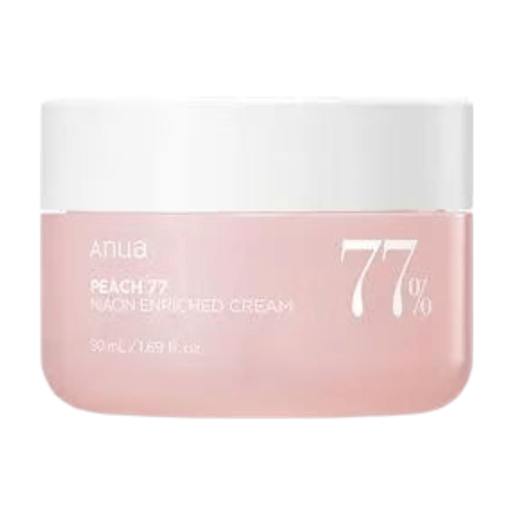
Why it suits this profile: A compact cream for anyone looking for a simple Korean face cream with niacinamide, panthenol, sodium hyaluronate and ceramide NP in the ingredients list.
The product information lists several hydrating and barrier-supporting ingredients, rather than focusing on a single standout percentage. The formula does contain fragrance, so check that it’s suitable for your skin before use.
50 ml; niacinamide, panthenol, sodium hyaluronate and ceramide NP are listed in the ingredients.
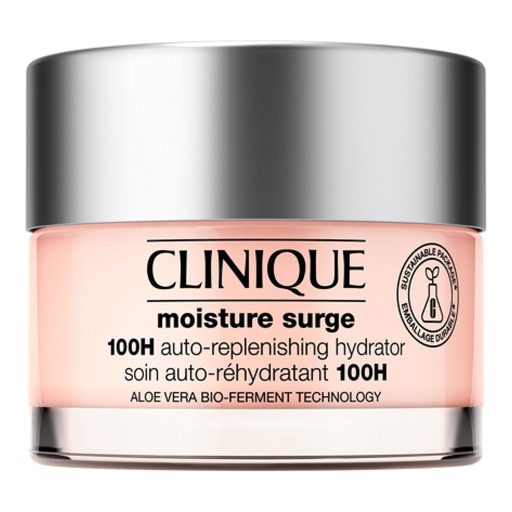
Why it suits this profile: A good option if you’re looking for a fragrance-free, oil-free gel cream that, according to the product information, may suit dry, combination and oily skin.
According to the product information, the formula is alcohol-free, fragrance-free, oil-free and non-comedogenic. The 100-hour hydration claim comes from Clinique and should be understood as a brand claim.
50 ml; gel cream, fragrance-free, alcohol-free, oil-free and suitable for use under make-up.
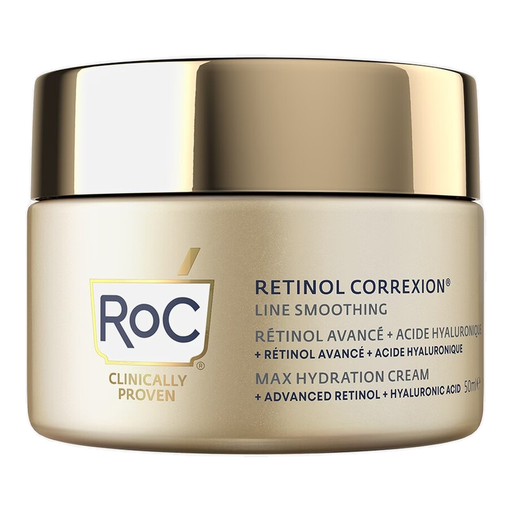
Why it suits this profile: For anyone who wants to combine hydration with an anti-ageing face cream containing retinol and hyaluronic acid.
The active ingredients are clearly listed. Retinol may not suit everyone, so follow the label and introduce it gradually. Wear sun protection during the day.
50 ml; according to the product information, contains retinol and hyaluronic acid; designed to hydrate and leave skin looking smoother.
We’ve put together a complete, up-to-date list of products that meet these strict selection criteria and current European safety regulations.
Start by looking for a short, easy-to-follow ingredients list and avoid anything you’ve reacted to before. Fragrance-free options such as Clinique Moisture Surge or the SKIN1004 Centella formula may be worth considering based on their listed product features. ‘Suitable for sensitive skin’ is a product description, not a guarantee for every user.
Check the expiry date and the open-jar symbol on the packaging, which may show, for example, 12M. Store your cream somewhere cool and dry, away from direct sunlight. Has the smell, colour or texture changed? Stop using the product, even if it hasn’t reached its expiry date.
No. A cream may be enough for a simple routine. A serum is only useful if you want to add an extra ingredient, such as niacinamide or hyaluronic acid. Using more products doesn’t automatically mean better results; a consistent routine with a texture that suits you is more practical.
