
Vandaag of morgen in huis

Kwaliteit gegarandeerd

Welkomstaanbiedingen ontgrendelen: GRATIS bezorging | Tot 80% korting | Gratis 30 dagen JoyPlus-proefperiode
Download de app
A tight feeling after cleansing, flaky patches beneath make-up or a shiny complexion after application: a hydrating face cream should above all suit your skin type and daily routine. A rich cream is not automatically suitable for dry skin, and a lightweight gel is not always enough when your skin barrier is compromised.
Choosing a product is also made more complicated by marketing claims. So don’t just look for words such as “intensive”, “deep” or “long-lasting”. Check the ingredients, texture, size and directions for use as well.
A moisturising body lotion can be a perfectly good choice for your arms and legs, but it is not automatically formulated for the face. Body lotions can be richer, fragranced or designed for use over a larger area of skin. So always check the stated application area.
Claims such as “up to 100 hours of hydration” are product claims made by the brand. According to Clinique’s own research, for example, Moisture Surge 100H provides hydration for up to 100 hours. This does not mean every user will have the same experience. Skin type, climate, cleansing and the amount of product used all affect the result.
A face cream for sensitive skin may be fragrance-free, yet still contain ingredients that you personally react to. Check the complete ingredients list and test a new product on a small area of skin first. Stop using it if you experience redness, itching or a burning sensation.
With a hyaluronic acid face cream, you will often see sodium hyaluronate or hyaluronic acid on the ingredients list. These are forms of hyaluronic acid used in cosmetic formulas to help retain moisture. Glycerine, butylene glycol and panthenol are also commonly found in hydrating products.
A humectant alone is not always enough. Ingredients such as dimethicone, petrolatum, squalane or certain oils can help reduce moisture loss at the skin’s surface. For dry skin, a cream containing both humectants and occlusive ingredients may feel more comfortable.
Don’t just compare the price of a jar or tube; check the size too: 30, 50, 75, 100 or 125 ml can make a significant difference. A pump bottle or tube can sometimes limit contact with air and fingers. Always follow the packaging instructions regarding shelf life and the period after opening.
Apply a hydrating face cream to cleansed skin. During the day, separate sun protection is part of a complete routine; an ordinary moisturiser does not automatically replace it. It is better to start with a small amount and add more if needed. This helps prevent a sticky or heavy layer.
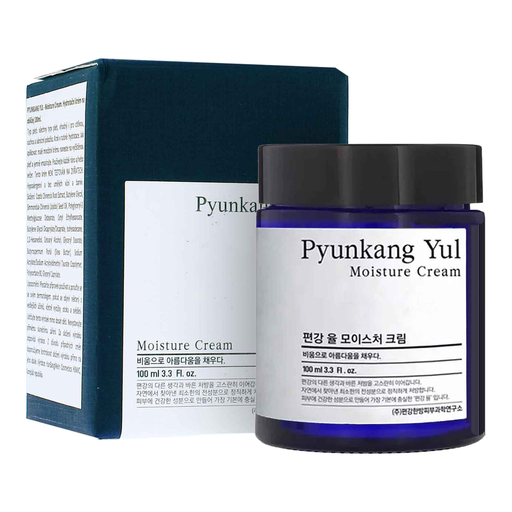
Why it suits this profile: The 100 ml formula is designed for daily use and, according to the product information, has a fast-absorbing, non-greasy texture.
The product description does not mention fragrance or irritants; however, always check the current packaging before ordering.
100 ml, tube packaging, designed for sensitive skin, with a lightweight, fast-absorbing consistency.

Why it suits this profile: The gel-cream is oil-free, fragrance-free and stated to be suitable for dry, combination and oily skin types.
The oil-free gel-cream helps avoid a heavy or greasy feeling. The stated hydration duration is a claim made by Clinique, not a universal guarantee.
75 ml, gel-cream, oil-free, fragrance-free and, according to the product information, non-comedogenic.
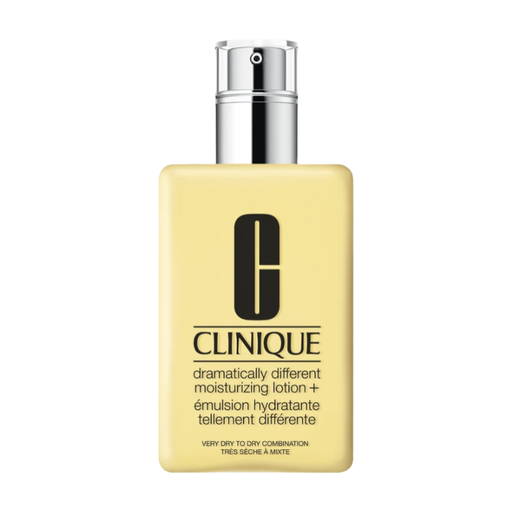
Why it suits this profile: The 125 ml emulsion is designed for very dry to dry/combination skin and, according to the directions, can be applied in the morning and evening.
The product information states that it is 100% fragrance-free and has an emulsion texture, making the choice more specific than simply relying on a general intensive hydration claim.
125 ml, fragrance-free, suitable for dry skin and with glycerine, dimethicone, petrolatum and sodium hyaluronate listed among the ingredients.
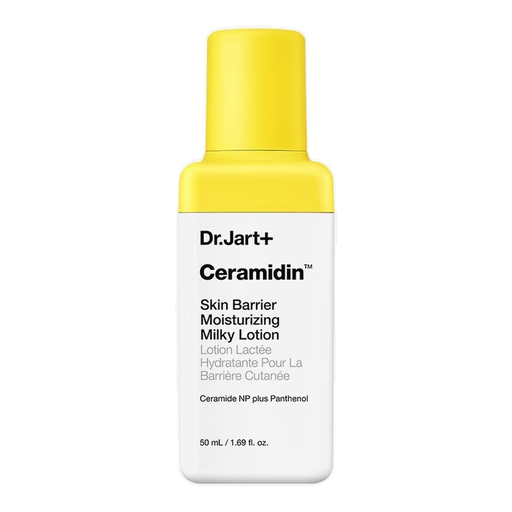
Why it suits this profile: According to the product description, the lightweight lotion contains panthenol, ceramide 3 and glycerine, and is intended as a hydrating base beneath make-up.
The milky lotion is lightweight and designed for daily use, so you do not immediately have to choose a heavy cream for extra nourishment.
Panthenol, ceramide 3 and glycerine are mentioned in the product description; lightweight texture and 50 ml size.
We have put together a complete, up-to-date list of products that fully meet these strict selection criteria and the applicable European safety regulations.
Cleanse your face, gently pat the skin dry and then apply a small amount to your face and neck. Use the product according to the label, often once or twice a day. If you have sensitive skin, it is sensible to test new products on a limited area first.
Shelf life varies from product to product. Check the packaging for the best-before date and the open-jar symbol, for example 12M or 24M. Store the cream somewhere cool and dry, away from direct sunlight, and close the packaging securely after use.
The price depends on the brand, size, ingredients, packaging and positioning. So compare the price per millilitre and check whether the formula suits your skin type. A smaller pack can be useful for assessing tolerance and texture before buying a larger size.
