
Vandaag of morgen in huis

Kwaliteit gegarandeerd

Welkomstaanbiedingen ontgrendelen: GRATIS bezorging | Tot 80% korting | Gratis 30 dagen JoyPlus-proefperiode
Download de app
A hydrating face cream with hyaluronic acid sounds simple enough, but the differences between formulas are significant. A light gel-cream can work well for combination skin, while dry skin tends to benefit more from a cream containing oils, ceramides or shea butter. Sensitive skin also needs extra attention when it comes to fragrance, alcohol and potentially irritating ingredients.
The product name alone doesn't tell you enough. Pay attention to the full ingredients list, the texture and when you'll be using it. That way, you avoid paying for a clever marketing promise but ending up with a cream that doesn't fit your daily routine.
Brands may promise long-lasting or deep hydration. Such claims aren't automatically comparable between products. According to a brand's own research, test results might have been obtained under specific conditions. So look for verifiable information instead, such as size, ingredients, whether it's fragrance-free, texture and skin type.
Hyaluronic acid, often listed as sodium hyaluronate or hydrolyzed hyaluronic acid, helps attract moisture. A cream will also typically contain humectants like glycerine, emollients and ingredients that help reduce moisture loss at the skin's surface.
A moisturising face cream for oily or combination skin doesn't need to have the same texture as a hydrating cream for dry skin. A rich formula with oils and butters can feel comfortable when you're dry, but heavy on a shiny T-zone.
For sensitive skin, "hypoallergenic" is no personal guarantee either. Always check the current packaging. Stop using it if irritation occurs and avoid contact with the eyes.
A product may contain hyaluronic acid, but also fragrance, alcohol or exfoliating ingredients. That's not necessarily a bad thing, but it can certainly affect how the cream feels on your skin and whether it's right for your routine. Garnier SkinActive Hyaluron Fresh & Plump, for example, contains fragrance, alcohol denat. and salicylic acid according to the listed ingredients. That makes it less of an obvious choice if you're specifically looking for a fragrance-free cream for sensitive skin.
Alongside hyaluronic acid, look for a combination of:
Where an ingredient appears on the list gives you an indication of the amount, but not the full percentage. So don't be swayed by a term like "5D" or "low molecular" alone.
A gel-cream for the face generally feels fresh and light. That can be handy under make-up or sunscreen. A richer cream usually makes for a more comfortable final step for dry skin, especially in the evening.
Also consider how it works with your other products. A cream that absorbs quickly often suits a short morning routine better. An intensive night cream can be richer, as long as the texture remains pleasant and doesn't leave an uncomfortable film.
Compare the volume: 50 ml, 75 ml, 80 ml or 100 ml makes a difference to the price per millilitre. Also check the expiry information and the period after opening on the packaging. Try a new formula on a small area of skin first, especially if your skin reacts easily.
A hydrating cream doesn't replace sunscreen during the day. If a product contains SPF, follow the instructions on the packaging; you may still need a separate sunscreen depending on how much you apply and your sun exposure.
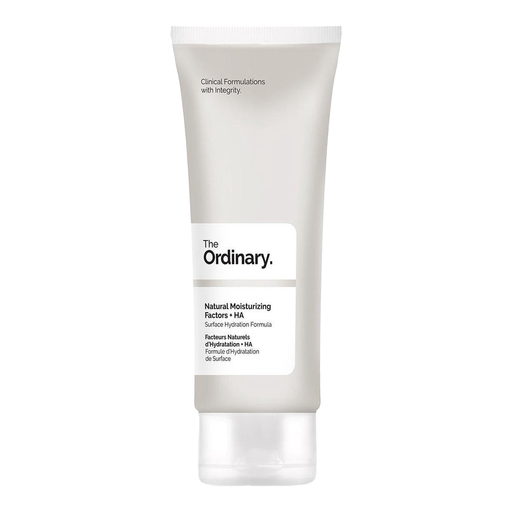
Why it fits this profile: The 100 ml size and non-greasy formula make this a practical choice for anyone looking for a straightforward daily moisturiser.
The product information mentions no oils, alcohol or silicones. Still check the current ingredients list before purchasing.
100 ml, NMF ingredients and hyaluronic acid; suitable for multiple skin types according to the product data.

Why it fits this profile: The oil-free gel-cream is versatile enough to use as a day cream, make-up base or quick mask.
The product data states it is fragrance-free, alcohol-free and non-comedogenic. The 100-hour hydration claim is a brand claim and not a universal guarantee.
75 ml, oil-free gel-cream and suitable for both morning and evening use.
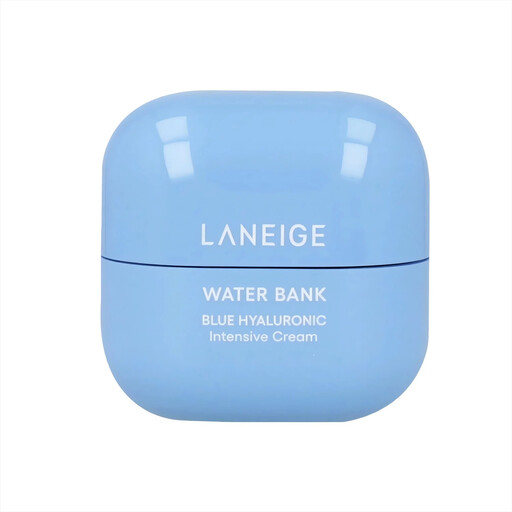
Why it fits this profile: The product description positions this Korean skincare cream as intensely nourishing yet fast-absorbing, even under make-up or SPF.
The description mentions a light, non-greasy texture. For sensitive skin, always check the full packaging and current ingredients list.
50 ml, focused on moisture and the moisture barrier; intended for daily use.
We've put together a full, up-to-date list of products that fully meet these strict selection criteria and comply with current European safety regulations.
Apply the cream after cleansing and, if you use one, after a serum. A small amount is usually enough. During the day, follow up with sun protection if that fits your routine. Always follow the usage instructions for the specific product.
It can be, but look at the full formula. Dry skin often benefits more from a cream with glycerine, panthenol, ceramides, oils or butters than from a very light gel-cream alone. Dry skin may find a light texture during the day and a richer cream in the evening more comfortable.
The shelf life varies by product. Check the expiry date, batch information and the period-after-opening symbol on the packaging. Store the cream in a cool, dry place away from direct sunlight. Has the scent, colour or texture changed? Then stop using the product.
