
Vandaag of morgen in huis

Kwaliteit gegarandeerd

Welkomstaanbiedingen ontgrendelen: GRATIS bezorging | Tot 80% korting | Gratis 30 dagen JoyPlus-proefperiode
Download de app
That tight feeling after washing, dry patches around your nose, or a shiny forehead despite having dehydrated skin – the right hydrating face cream can make a real difference to your daily routine. Yet comparing products online isn’t always straightforward. Brands often make bold claims, but the practical differences really come down to texture, ingredients, fragrance and ease of use.
This buying guide will help you choose a moisturising face cream, face gel or hydrating gel-cream that suits your skin type and daily habits.
A claim like “up to 24, 72 or 100 hours of hydration” doesn’t mean you can skip your skincare routine for days. It’s usually a claim from a brand’s own research or a specific test set-up. According to the brands’ own studies, certain formulas can provide long-lasting hydration under those conditions. In reality, factors like washing, showering, cold weather, central heating and your skin type all play a part.
So also look at the usage instructions. A product you can apply both morning and evening is often better suited to daily use than a cream intended mainly as an intensive mask.
A product may be described as suitable for dry, normal, combination or oily skin, yet still not feel right on your face. A rich cream, for example, can feel heavy on a shiny T-zone. A gel containing alcohol, fragrance or fragrance allergens may be less suitable if you react quickly to cosmetics.
Always check the full ingredients list. If you have sensitive skin, look for a fragrance-free face cream and watch out for any ingredients you’ve reacted to before.
Hyaluronic acid, vitamin C, niacinamide and aloe vera are popular ingredients in facial skincare. But their presence doesn’t automatically tell you how a product will feel on your skin. The overall formula, concentration, packaging and how it works with other products all influence the experience.
According to brands’ own research, ingredients can support certain effects, but cosmetics shouldn’t be seen as a treatment for skin conditions. Stop using a product if it irritates your skin, and if problems persist, seek advice from a doctor or pharmacist.
Dry skin doesn’t always just need water. A formula with humectants like glycerine or sodium hyaluronate can be combined with ingredients that help limit moisture loss, such as silicones or richer components.
A face cream with hyaluronic acid often contains sodium hyaluronate or another form of hyaluronic acid on the INCI list. Glycerine, panthenol and trehalose are other commonly used humectants. Also check whether the formula contains fragrance, alcohol denat. or fragrance allergens.
For sensitive skin, “dermatologically tested” is not a personal guarantee of suitability. It’s a product feature or test claim from the brand. Always test a new product on a small patch of skin first and follow the warnings on the packaging.
Cosmetics sold in the European Union must include, among other things, an ingredients list, net content, responsible party and usage information. Also look for the period-after-opening symbol, for example 12M or 24M. This tells you how long the product is intended to last after opening, provided it’s stored correctly.
A pump bottle limits contact with air and fingers. A jar can be fine for a gel-cream, but use clean hands and close the lid properly. Store your facial skincare away from direct sunlight and follow the instructions on the label.
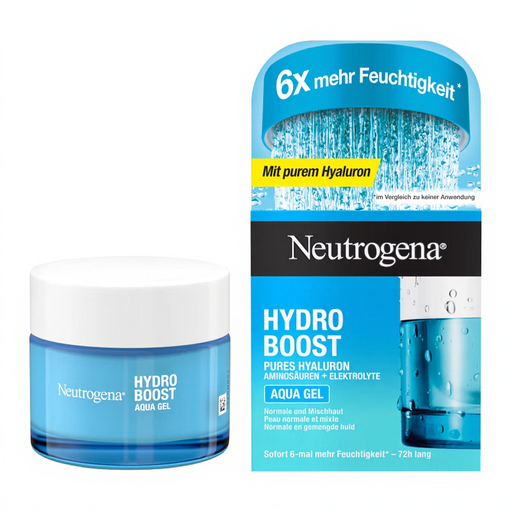
Why this fits the profile: The gel texture is designed for daily use and, according to the product description, absorbs quickly. That makes this a practical option if you’re looking for a light day cream for the face that can also be worn under make-up.
The oil-free and non-comedogenic formula is clearly stated. Do check the current packaging and ingredients list before ordering.
Gel-cream with hyaluronic acid, oil-free formula and 50 ml content.

Why this fits the profile: According to the product information, this gel-cream is fragrance-free, oil-free and suitable for different skin types. You can use the cream as a daily moisturiser, under make-up or as a quick mask.
The product details specifically mention the texture, content and fragrance-free formula. The 100-hour claim comes from brand communication and is not a guarantee for every skin type.
75 ml content, gel-cream and use as moisturiser, primer or 5-minute mask.
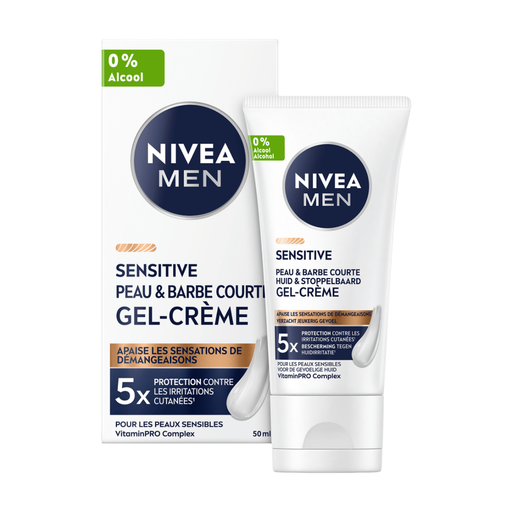
Why this fits the profile: This men’s face cream in gel form is developed for sensitive skin and short stubble. The product description mentions it’s made without ethyl alcohol and includes beard care considerations.
The application is specifically described for face and stubble. The formula does contain fragrance, so check the ingredients if you’re sensitive to it.
50 ml, light gel texture and glycerine, panthenol and dimethicone in the ingredients list.
We’ve put together a full, up-to-date list of products that fully meet these strict selection criteria and comply with current European safety regulations.
A product for facial skincare for dry skin can be richer, while an oil-free gel is often more pleasant for combination skin. For men, a separate men’s face cream isn’t essential – focus instead on ingredients, fragrance, texture and how it feels after shaving.
A face gel usually has a lighter, more watery texture and feels refreshing quickly. A gel-cream combines that light sensation with more nourishing ingredients. A richer face cream may be more suitable if your skin loses a lot of moisture or feels dry in winter.
Look for the open-jar symbol on the packaging, for example 12M or 24M. Store the cream according to the instructions, close the packaging after use and stop using it if the smell, colour or texture changes.
Yes, many gel-creams are designed for this. Let the cream absorb first, then apply sun protection and make-up. When trying a new combination, test whether the products pill, especially if you’re using several serums.
