
Vandaag of morgen in huis

Kwaliteit gegarandeerd

Welkomstaanbiedingen ontgrendelen: GRATIS bezorging | Tot 80% korting | Gratis 30 dagen JoyPlus-proefperiode
Download de app
A hydrating face cream may seem like a straightforward purchase, but the difference between comfortable skin and a sticky, tight feeling often comes down to small details. A cream can feel light yet still not lock in enough moisture. A rich formula may feel good on dry skin, but too heavy on oily or combination skin.
As a Joybuy Product Recommendation Officer, I start by checking verifiable details: where the product is intended to be used, its ingredients, texture, whether it contains fragrance and how to use it. This helps you look beyond marketing claims, which don’t automatically tell you whether a product is right for your skin.
Not every hydrating cream is made for the face. A body lotion may suit dry arms and legs, but facial skin can react differently to fragrance, oils or a protective film. Always check whether the packaging says face, facial or face and body.
For example, VASELINE Intensive Care Body Lotion Aloe Soothe is designed for the body. According to the product description, it contains aloe vera, Vaseline micro-droplets and has a fresh fragrance. This makes it an interesting body lotion for dry skin, but not automatically a suitable daily face cream.
A hydrating cream with hyaluronic acid can help attract water, but the overall formula determines how it feels on your skin. Glycerine, panthenol, squalane, oils and ceramides each have a different role in a formula. So don’t just look at the front of the packaging: check the full ingredients list too.
For a ceramide cream, it’s worth checking which ceramides are listed and what other lipid ingredients the formula contains. A cream with several ceramides may appeal if you’re specifically looking for a skin barrier cream, but that doesn’t guarantee the formula will feel comfortable on every skin type.
A Korean face cream may have a light gel texture, but Korean skincare isn’t a skin type. Natural ingredients can also be unsuitable for some people. If you have sensitive skin, pay particular attention to fragrance, essential oils and plant extracts.
First, choose between a product for the face, body or both. Then look for a texture that suits your skin:
Glycerine, hyaluronic acid and panthenol are often used in moisturisers to provide hydration and comfort. Ceramides, cholesterol and fatty acids are found in formulas designed to support the skin’s protective layer. According to the product description, The Ceramide Skin Barrier Moisturizer contains ceramides, hyaluronic acid, squalane and panthenol, among other ingredients.
Check the order of the ingredients. Those listed nearer the top are generally present in larger amounts than those near the bottom. However, the ingredients list doesn’t tell you everything about how a cream will perform: how it feels on your skin, its stability and your individual tolerance also matter.
A non-greasy face cream isn’t necessarily better. Dry skin may benefit from a richer texture, particularly in cold or dry weather. If you wear make-up, you may prefer a fast-absorbing gel cream.
Apply your daily moisturiser after cleansing and, if you use one, after applying a serum. Use a small amount on slightly damp skin and spread it evenly over your face and neck, unless the packaging says otherwise. You’ll still need separate sun protection during the day: a moisturiser doesn’t automatically replace it.
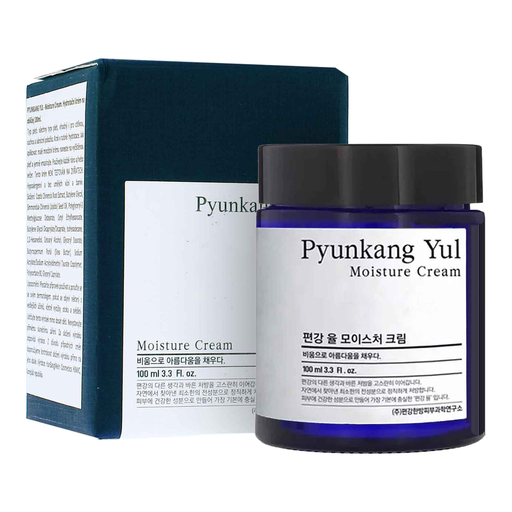
Why it suits this profile: According to the product information, this 100 ml moisturiser is intended for the face and neck, is fragrance-free and is suitable for daily use. That makes it a straightforward choice if you’re starting with a simple routine.
The product description clearly states that it’s for the face and neck, has a fragrance-free formula and a non-greasy texture. Always check the current packaging for yourself.
100 ml; tube packaging; described as vegan and fragrance-free in the product information.

Why it suits this profile: The ingredients list includes several ceramides, hyaluronic acid, squalane and panthenol. This is a good match for shoppers comparing formulas for skin barrier care based on specific ingredients.
You don’t have to rely on the word “barrier” alone: the product page provides a full ingredients list and mentions patch testing for sensitive skin.
80 ml; contains several ceramides and forms of hyaluronic acid; according to the product information, use on the face in the morning or at night.

Why it suits this profile: The formula lists panthenol, three ceramides, hyaluronic acid, squalane and centella extract. The 100 ml size suits people who use a generous amount of moisturiser every day.
The product information lists the face as an intended area of use and includes warnings about irritation. This helps you weigh up the choice in light of your own sensitivities.
100 ml; ceramides and panthenol listed; described as suitable for daily use in the product information.

Why it suits this profile: According to the product description, this gel cream has a light texture and is intended for oily, combination or dry skin. It may suit anyone looking for a moisturiser that doesn’t feel heavy.
The product page describes the gel texture and intended area of use. That gives you more to go on than the general claim “hydrating” alone.
100 ml; gel cream for the face and neck; according to the product information, formulated with red bean extract and a peptide complex.
We’ve put together a complete, up-to-date list of products that meet these strict selection criteria and the applicable European safety requirements.
That depends on the formula and how your skin feels. Many moisturisers are designed to be used once or twice a day, after cleansing. Follow the instructions on the packaging. Start with a small amount and only apply more if your skin needs it.
Check the best-before date and the open-jar symbol on the packaging. Store the cream in a cool, dry place away from direct sunlight, and close the packaging after use. If the smell, colour or texture changes, stop using the product.
Not necessarily. The cost per millilitre, the recommended amount and how often you use the cream all affect the overall cost. So compare the quantity, ingredients and frequency of use, rather than just the price on the packaging.
