
Vandaag of morgen in huis

Kwaliteit gegarandeerd

Welkomstaanbiedingen ontgrendelen: GRATIS bezorging | Tot 80% korting | Gratis 30 dagen JoyPlus-proefperiode
Download de app
Choosing a hydrating face cream may seem straightforward, but there are significant differences in texture, ingredients and usage. A product can feel lightweight yet still be insufficient for dry skin. A rich cream may feel comfortable in winter but become too heavy under make-up. And a promising claim on the packaging does not automatically mean that the formula is right for your skin.
Joybuy Product Recommendation Officer therefore filters the most important information based on verifiable product data. This helps you avoid a disappointing purchase and choose more purposefully between a face cream for dry skin, an oil-free face cream or a light day cream.
Brands sometimes state how many hours the skin is expected to stay hydrated. According to Clinique’s own research, Moisture Surge 100H can provide up to 100 hours of hydration. This is a brand claim, not a guarantee for every user. The hydration you experience depends on factors including your skin type, humidity, cleansing routine and the amount of product you apply.
Use figures like this mainly as a point of comparison. Also look at the texture and ingredients list.
A moisturiser with hyaluronic acid can help attract and retain water, but hyaluronic acid is not the whole story. A good moisturising cream often also contains glycerine, silicones, oils, ceramides or other ingredients that support a moisturised feel.
Check the full INCI list. If you have sensitive skin, also look out for fragrance, essential oils and known allergens. A product described as fragrance-free may be a logical choice for some users, but it is no substitute for assessing your own skin.
A face cream for all skin types can be practical, but dry and oily skin do not always have the same needs. A gel cream is often pleasant for combination or oily skin. A richer cream containing oils, shea butter or ceramides may be more suitable when the skin feels tight.
If irritation, swelling or a burning sensation persists, it is advisable to stop using the product. Cosmetics are intended for external use; always follow the label and instructions for use.
A gel cream for the face usually contains a high proportion of water and feels lightweight. This makes it suitable for daytime use or underneath make-up. A classic cream often provides more comfort for dry or very dry skin, especially in cold and windy weather.
Do not just look for terms such as “water cream” or “aqua gel”; check the ingredients too. Dimethicone, for example, can create a smooth skin feel. Oils and butters generally make a formula richer, although the effect varies from product to product.
Look for a combination of:
The presence of an ingredient does not automatically mean that the product has a medical effect. Always assess the full formulation and your own tolerance.
Check the following before buying:
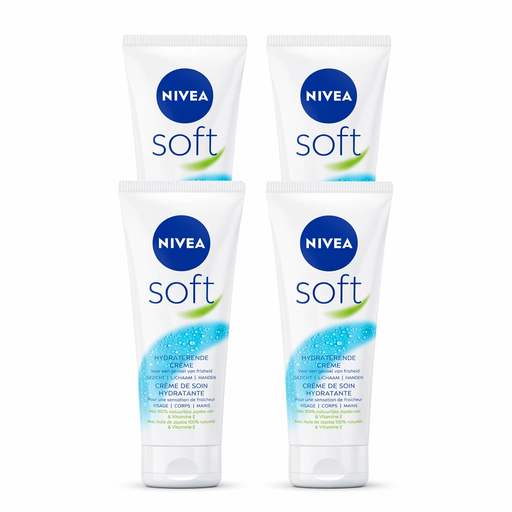
Why it suits this profile: An accessible formula for anyone who wants to use one product for the face, hands and body. The pack contains four 75 ml tubes.
The product information describes a lightweight, fast-absorbing formula and 48-hour hydration, based on NIVEA’s own product claims. However, check for fragrance and fragrance allergens if you wish to avoid them.
Vitamin E, jojoba oil, suitable for use on the face and body, and four 75 ml tubes.
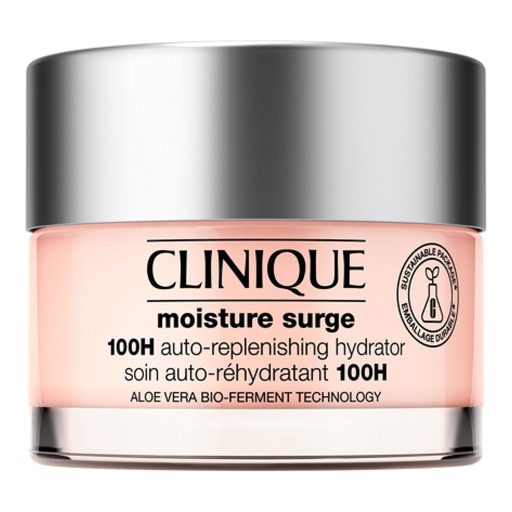
Why it suits this profile: A fragrance-free, oil-free gel cream for anyone who values a lightweight texture and use under make-up.
The product listing describes an oil-free, fragrance-free and non-comedogenic formula. The claim of up to 100 hours of hydration comes from Clinique’s product communication.
50 ml, gel cream, fragrance-free, oil-free and, according to the product information, suitable for dry, combination and oily skin.
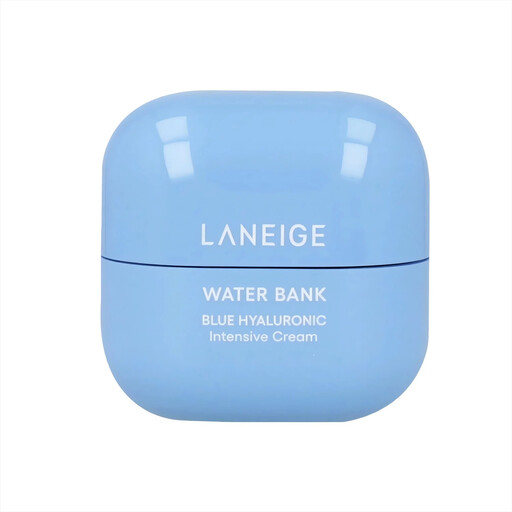
Why it suits this profile: Suitable for users looking for a more intensive cream without wanting a heavy or greasy layer under make-up or SPF.
The product description mentions fast absorption and use under make-up or SPF. Claims about a stronger moisture barrier come from LANEIGE’s communication and do not constitute a medical assessment.
50 ml, hyaluronic acid according to the product name, lightweight texture and stated suitability for all skin types, including sensitive skin.
Apply the cream to a cleansed face. A small amount is usually enough; applying too much product can cause it to pill under make-up. In the morning, you may wish to use a sun protection product as the final step. In the evening, you can apply a richer layer if your skin feels dry or tight.
If you have sensitive skin, first test a small amount on a limited area of skin. Do not introduce several new products at once, so that you can more easily identify which product feels comfortable or is less suitable.
We have compiled a complete, up-to-date list of products that fully meet these strict selection criteria and the applicable European safety regulations.
Look for a cream containing humectants such as glycerine or hyaluronic acid, complemented by richer ingredients such as oils, shea butter or ceramides. A gel cream can feel pleasant during the day, while a more intensive cream may provide greater comfort when the skin feels rough or tight.
Yes. In that case, choose a lightweight, fast-absorbing formula. Apply a thin layer and give the cream a little time to sink in. Product information from Clinique and LANEIGE, among others, mentions use under make-up or SPF, but how it works with your foundation may vary from one formula to another.
Follow the expiry date and period-after-opening symbol on the packaging. Store the cream in a cool, dry place away from direct sunlight. If the scent, colour or texture changes, stop using the product. The amount in each pack also helps you compare the cost of use: a 100 ml jar will generally last longer with daily use than a 30 ml pack, depending on how much you apply.
