
Vandaag of morgen in huis

Kwaliteit gegarandeerd

Welkomstaanbiedingen ontgrendelen: GRATIS bezorging | Tot 80% korting | Gratis 30 dagen JoyPlus-proefperiode
Download de app
A hydrating face cream might seem simple to choose, but the options vary widely in texture, ingredients and skincare goals. A cream that works well on dry skin can feel heavy on oily or sensitive skin. Terms like “natural”, “soothing” and “barrier-repair” only really mean something once you’ve looked at the ingredients list and usage instructions.
As a Joybuy Product Recommendation Officer, I filter out the marketing language to focus on practical features. That way, you avoid paying mostly for a promise and instead choose a moisturising cream that fits your daily routine.
A percentage of a plant extract catches the eye, but it’s no guarantee that a product is suitable for every skin type. You also need to look at the rest of the formula. A cream can also contain glycerine, panthenol, ceramides, oils, silicones or fragrance. That combination determines how the cream feels and how well it suits your skin type.
Natural fragrances and essential oils can be less pleasant for some users. So check whether a natural face cream contains perfume, citrus oil, lavender or other fragrance components. Weleda Skin Food Light, for example, contains a fragrance blend of lavender, orange and benzoin resin. That can be appealing if you appreciate scent in skincare, but it’s something to watch out for with a face cream for sensitive skin.
A rich texture isn’t necessarily better for dry skin. If you wear make-up or your skin tends to get shiny quickly, you might be better off with a light lotion or light gel cream. Look out for words like “gel”, “light”, “non-greasy” and “fast-absorbing”, but also check the full product description.
Glycerine, hyaluronic acid and certain sugars like xylitol help bind moisture to the outer layer of the skin, according to product formulas. They are often suitable in a cream for dehydrated skin. However, hyaluronic acid doesn’t automatically make a formula complete: a cream also needs emollient or occlusive ingredients to stop moisture from evaporating too quickly.
Examples include oils, shea butter, squalane, fatty alcohols and silicones. If you’re looking for a face cream for dry skin, it’s better to consider the whole formula rather than focusing on one popular ingredient.
Ceramide NP, cholesterol, lecithin and panthenol appear in various formulas in the range. These ingredients are typically used in a barrier-repair cream or skincare for a tight-feeling complexion. The term “repair” should be read as a cosmetic product description; it is not a medical treatment.
Sensitive skin can benefit from a short, clear ingredients list without fragrance. Dr. Althea 345 Relief Cream is made without artificial colourants, fragrance and parabens according to the product description, and contains ceramide NP, niacinamide and hyaluronic acid. Always check the current packaging, as formulations can change.
A 50 ml pot and a 75 ml tube are not directly comparable. Look at:
Apply a new cream to a small area of skin first. Stop if you experience irritation, redness or swelling, and follow the safety information on the label. Avoid contact with the eyes.
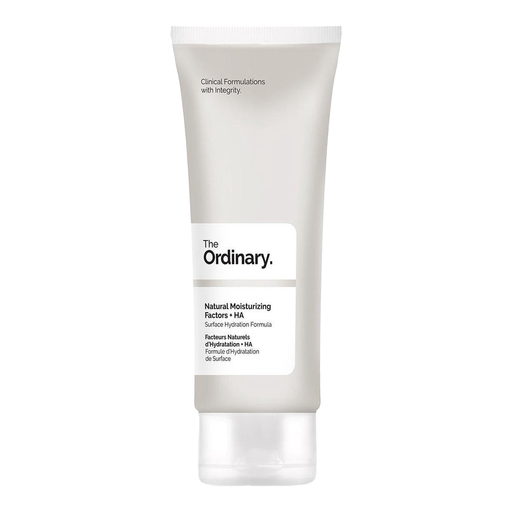
Why this fits the profile: The formula has a non-greasy texture, 100 ml size and is intended for multiple skin types. That makes it a practical starting point for anyone looking for a simple moisturising cream.
The product information states no alcohol, oil, silicone or nuts. Do check the packaging and your own skin reaction before building up daily use.
100 ml, non-greasy formula and hyaluronic acid according to the product specifications.
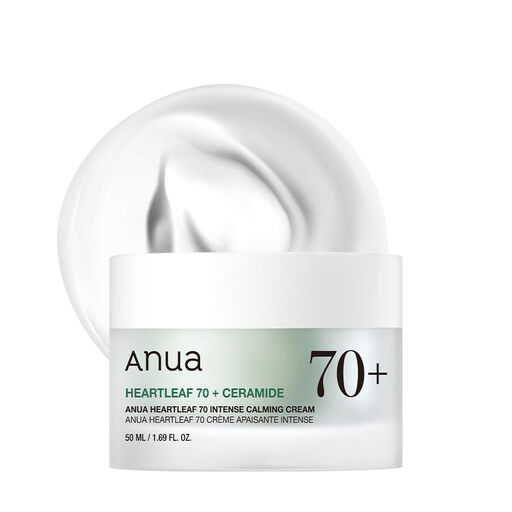
Why this fits the profile: According to the ingredients list, this Korean skincare cream combines houttuynia cordata extract with glycerine, panthenol and ceramide NP. That suits anyone who wants to combine hydration with a soothing skincare routine.
The formula is free from fragrance and parabens according to the product information. That doesn’t prevent every reaction, but it makes the composition clearer for those who avoid scent.
50 ml, 70% houttuynia cordata extract according to the product listing, plus panthenol and ceramide NP.
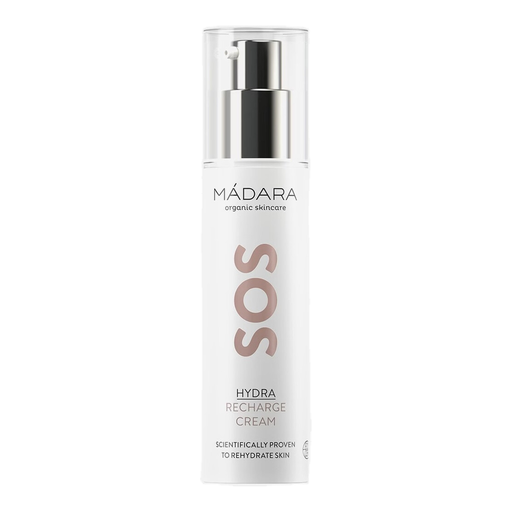
Why this fits the profile: According to the product description, this cream is aimed at dry, dehydrated and tight-feeling skin. The formula contains hyaluronic acid, peony extract, linseed and nettle extract, among others.
The product information clearly states the skin type and skincare goal. This makes it easier to compare this cream with a general moisturising cream.
50 ml, vegan according to the product specifications and with hyaluronic acid in the formula.
For a face cream for oily or combination skin, you could look at a gel texture, such as iUNIK Centella Calming Gel Cream or Hydrium Green Tea Aqua Soothing Gel Cream. The product descriptions mention a light, fast-absorbing texture. For a vegan face cream, Dr. Althea 345 Relief Cream, MADARA SOS Hydra Recharge Cream and various SKIN1004 products are listed as vegan.
If you’re mainly looking for an anti-ageing face cream, you could compare Clarins Super Restorative Rose Radiance Cream or Nuxe Nuxuriance Ultra. According to their respective product descriptions, these formulas are aimed at mature skin and the appearance of firmness or radiance. These are cosmetic positions, not a guarantee of a particular result.
We’ve put together a full, up-to-date list of products that fully meet these strict selection criteria and comply with current European safety regulations.
Cleanse your face, apply a serum if you wish, and then spread a small amount of cream over your face and neck. Use the cream according to the label, usually once or twice a day. During the day, sun protection should be part of a complete routine when you are exposed to sunlight.
The shelf life is stated on the packaging. Look for a use-by date or the symbol of an open jar with, for example, 6M or 12M. Store the cream in a cool, dry place away from direct sunlight. If the smell, colour or texture changes, do not continue using the product.
Look for a short formula and avoid ingredients you have reacted to before. A fragrance-free option can be practical, but no product is problem-free for everyone. Test on a small area of skin first and stop if irritation occurs. If symptoms persist, advice from a dermatologist is recommended.
