
Vandaag of morgen in huis

Kwaliteit gegarandeerd

Welkomstaanbiedingen ontgrendelen: GRATIS bezorging | Tot 80% korting | Gratis 30 dagen JoyPlus-proefperiode
Download de app
A hydrating face cream might seem like a simple purchase, but the options vary greatly in texture, ingredients and purpose. A dry skin type often calls for a richer formula than a normal skin type, while sensitive skin can benefit from a short ingredient list and a fragrance-free option.
Joybuy’s Product Recommendation Officer helps you separate the key product information from the marketing speak. That way, you avoid paying for a promise that doesn’t match your skin type or daily routine.
Not every moisturising cream is intended for the face. The Dancoly Helichrysum Wakening Hydration Cream, for example, is described as a hair treatment for dry hair and split ends. Despite the word “hydration” in its name, this is not a face cream.
Similarly, the Clarins Multi-Intensive Super Restorative Balm is designed for the stomach and waist. Always check:
A list containing multiple forms of hyaluronic acid, ceramides or plant extracts can be interesting, but it doesn’t automatically tell you how your skin will react. Pay attention to the full formula, including fragrance, essential oils and any exfoliating ingredients.
For a cream intended for sensitive skin, it’s wise to try new products on a small area of skin first. Stop if you experience persistent redness, itching or irritation, and consult a doctor or dermatologist if needed.
An anti-ageing face cream may, according to its product description, target hydration, comfort, a smoother appearance or a firmer look. That is different from a guaranteed reduction in wrinkles.
According to its product description, Avène’s DERMABSOLU contains bakuchiol, pro-ceramides and shea butter for a more mature skin. According to its product description, Topicrem’s AH THEAVIT contains glycolic acid and is intended for renewal and exfoliation. Such features require gradual introduction and daily sun protection when the usage instructions advise it.
For a face cream for dry skin, humectants and emollients are relevant. Think about:
A hyaluronic acid cream can feel light, but the final result also depends on the rest of the formula. For tight or flaky skin, a cream with both humectants and lipids can be more practical.
A cream for sensitive skin isn’t automatically suitable for everyone just because the product page says “hypoallergenic”. Check the ingredient list for fragrance, essential oils and exfoliating acids.
The Medicube Pink Hyaluronic Moisturizing Cream contains fragrance according to its ingredient list. SOME BY MI contains, according to its product information, lavender oil, fragrance and scent ingredients such as linalool and limonene. That doesn’t have to be a problem for every user, but it is relevant information if your skin reacts quickly.
Compare the volume in millilitres or grams, not just the price of the pot. A 15 ml pot is handy for trying out or taking with you, while 80 to 100 ml can be more economical for daily use.
Also check:
The physical packaging is the leading source when product information varies by batch or market.
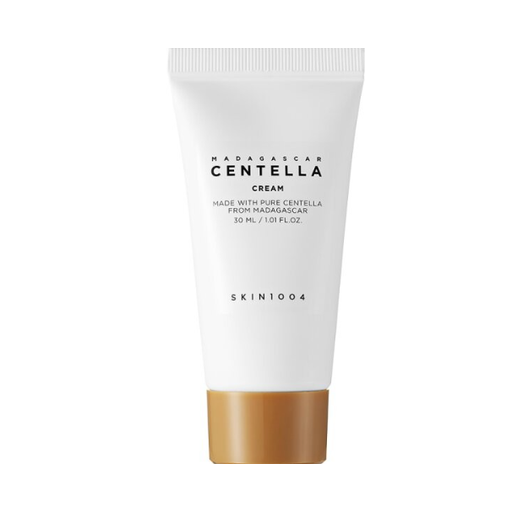
Why this fits the profile: The 30 ml size is manageable for anyone wanting to try a Korean face cream without buying a large pot straight away. The product description lists normal and sensitive skin as the target audience.
It is clearly positioned as a face cream and contains panthenol and centella asiatica according to the product information. Always check the current packaging and test the formula on a small area first.
30 ml; light water-cream texture according to the product description; panthenol and TECA listed in the formula.
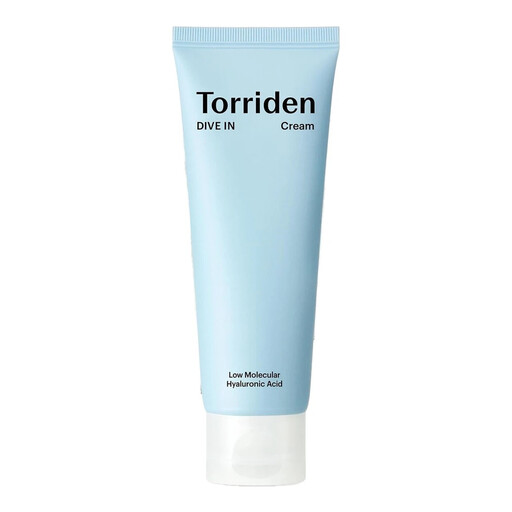
Why this fits the profile: This Korean face cream combines multiple forms of hyaluronic acid with jojoba oil, macadamia oil and ceramide NP. That suits anyone who carefully compares ingredients and texture.
The formula isn’t based on just one popular ingredient. The full ingredient list shows that emollient and barrier-supporting components have also been included.
80 ml; multiple hyaluronic acid forms; ceramide NP and beta-glucan listed in the ingredient list.
We’ve put together a full, up-to-date list of products that fully meet these strict selection criteria and comply with current European safety regulations.
That depends on the product instructions and how your skin feels. Many creams are intended for daily use in the morning and evening. Apply the cream after cleansing and any serum steps. Use a sun protection product during the day if that fits your routine.
Look for a combination of glycerine, hyaluronic acid, oils, shea butter, squalane or ceramides. A richer cream can feel more comfortable for dry skin, while a gel cream often suits those who prefer a light feel. Always compare the full formula, not just the name of one ingredient.
Sometimes you can, but introduce the product carefully. A cream with acids, fragrance or lots of active ingredients can feel different from a simple soothing face cream. Start with a small amount, follow the usage instructions and stop if irritation occurs. For a face cream for mature skin, hydration, comfort and tolerance are often more important than a promising claim on the front of the packaging.
