
Vandaag of morgen in huis

Kwaliteit gegarandeerd

Welkomstaanbiedingen ontgrendelen: GRATIS bezorging | Tot 80% korting | Gratis 30 dagen JoyPlus-proefperiode
Download de app
A hydrating face cream sounds simple to choose, until you have to decide between a lotion, gel cream, moisturiser or rich cream. Marketing terms such as “intensive hydration”, “barrier repair” and “suitable for all skin types” do not always tell you how a formula will feel on your skin.
The right choice mainly depends on your skin type, preferred texture and the ingredients your skin tolerates well. These practical checks can help you avoid buying a cream that turns out to be too greasy, too lightweight or unsuitable for your daily routine.
A body lotion may contain hydrating ingredients, but that does not automatically mean it is intended for the face. Always check the product type and intended area of use. The range includes products such as Clarins Body-Smoothing Moisture Milk and Vaseline Intensive Care Body Lotion. According to the product information, these products are intended for the body, not as a facial moisturiser.
Hyaluronic acid, Centella Asiatica and niacinamide often feature in Korean skincare creams. However, one popular ingredient says little about the formula as a whole. Also look for glycerine, ceramides, panthenol, oils, silicones and any fragrance ingredients. The order in which ingredients appear also provides an initial indication of which ingredients are present in relatively higher concentrations.
Dry skin may benefit from a richer cream, while oily or blemish-prone skin often feels more comfortable with a light gel cream or non-greasy face cream. A radiant finish does not automatically mean that your skin is better hydrated. Pay attention to the texture and product information such as “non-comedogenic”, but treat such claims as information from the brand, not a guarantee for every user.
Do you use your cream in the morning under make-up or sun protection? A fast-absorbing gel cream or lotion can then be practical. For dry skin, especially if it feels tight, a fuller cream containing glycerine, shea butter, ceramide NP or nourishing oils may be a better choice.
For sensitive skin, a simple formula is often easier to assess. Check whether it contains fragrance and follow the instructions for use. “Dermatologically tested”, “hypoallergenic” and “suitable for sensitive skin” are product claims. According to the ACM, this information should be traceable to the product description; it is not a personal guarantee that the product will not cause irritation.
A moisturising face cream often contains several types of ingredients:
If you are looking for “skin barrier repair”, it is sensible to set realistic goals: greater comfort, less tightness and a formula that helps the skin retain moisture. A cream does not treat a skin condition.
Compare the amount of product with the price. A 30 ml jar may appear more expensive, but a gel cream applied in a thin layer may last longer than a rich cream. Check the expiry date and the period after opening shown on the packaging. Use a clean spatula or clean hands, and close the packaging securely.
Apply the cream after cleansing and, if desired, using a serum. During the day, apply sun protection as the final step. When trying a new formula, start with a small amount. Stop using it if you experience persistent redness, itching or a burning sensation, and consult a doctor or dermatologist if in doubt.

Why it suits this profile: The 100 ml packaging and lightweight gel texture are practical if you are looking for an everyday moisturiser without a heavy feel.
The product description mentions a lightweight gel with no sticky feeling and states that it is suitable for oily skin.
100 ml content, gel texture and 44% Haenam Red Bean Extract according to the product information.
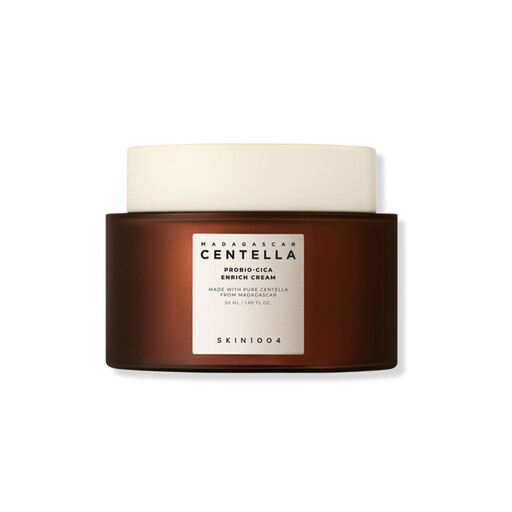
Why it suits this profile: This concentrated cream is a good choice if you are looking for a richer Korean skincare cream for dry or sensitive skin.
The ingredients list includes glycerine, Centella Asiatica, shea butter and Ceramide NP, rather than focusing on just one prominent active ingredient.
50 ml content; vegan, cruelty-free and dermatologically tested according to the product information.

Why it suits this profile: Suitable for users who want to combine an everyday cream and a more nourishing night cream in one product.
The product information mentions five types of hyaluronic acid and a lightweight gel-cream texture, so you do not have to rely solely on a rich finish.
100 ml content; the ingredients list includes hyaluronic acid, ceramide NP, panthenol, argan oil and apricot oil, among others.
We have put together a complete, up-to-date list of products that fully meet these strict selection criteria and the applicable European safety regulations.
For most daily routines, applying it once in the morning and once in the evening is practical, but always follow the instructions on the packaging. Apply the cream to cleansed skin. During the day, follow with a sun protection product if this forms part of your routine.
Check the expiry date and the symbol indicating the period after opening, such as 6M or 12M. Store the cream somewhere cool and dry, away from direct sunlight, and close the packaging after use. Has the fragrance, colour or texture changed? It is best not to use the product again.
Look for a lightweight gel cream, lotion or non-greasy face cream. Products with a “non-comedogenic” claim may be worth considering, but this claim comes from the brand and does not rule out an individual reaction. Test a new formula on a small area of skin first, and choose a product without unnecessarily high levels of fragrance if your skin is sensitive to it.
