
Vandaag of morgen in huis

Kwaliteit gegarandeerd

Welkomstaanbiedingen ontgrendelen: GRATIS bezorging | Tot 80% korting | Gratis 30 dagen JoyPlus-proefperiode
Download de app
A hydrating face cream might seem like a straightforward purchase, but the differences in texture, ingredients and usage advice are vast. A cream that works well on oily skin can be too rich for combination skin. A product designed for dry skin can feel uncomfortable under make-up.
Marketing terms can also be confusing. “Glow”, “barrier repair” and “anti-ageing” only mean something once you check the ingredients list, texture and warnings. Below, you’ll find out what to look for in a face moisturiser in 2026, without relying solely on advertising claims.
A hyaluronic acid cream may contain humectant ingredients, but that doesn’t automatically mean the cream is rich or nourishing. Hyaluronic acid is often combined with glycerine, panthenol, oils or silicones. So look at the full ingredients list, not just one standout ingredient on the front.
The same goes for a ceramide cream. Ceramides fit within skincare focused on the skin barrier, but the texture, additional ingredients and any fragrances also determine whether the product suits you.
A product description may state that a cream is suitable for all skin types. Yet a rich base, perfume, essential oils or an oily finish can be less pleasant for oily or sensitive skin. For dry skin, lightweight gel creams may not feel comfortable enough.
So check:
An anti-ageing cream with retinol, peptides or adenosine can be part of a skincare routine, but product claims are no guarantee of a specific result. According to the product description, The Retinol 0.1 Cream contains 0.1% retinol, plus hyaluronic acid and panthenol, among others. Retinol can feel sensitising for some users. So start slowly, follow the label and use sun protection during the day.
For daily hydration, ingredients such as glycerine, hyaluronic acid, beta-glucan and panthenol are relevant points to check. They are often used in formulas that make the skin feel more comfortable. Oils, shea butter, squalane and silicones can also help provide a richer or smoother finish.
A face cream for dry skin typically suits a fuller formula with several types of humectant and emollient ingredients. For oily or combination skin, a gel-cream or lightweight emulsion may be more logical.
If you’re looking for a skin barrier cream, look for ceramides, cholesterol, fatty acids, panthenol and squalane. The Ceramide Skin Barrier Moisturiser lists ceramide NP, NS, AP, AS and EOP, cholesterol, phytosphingosine and various forms of hyaluronic acid.
These are verifiable product specifications. Their presence doesn’t mean skin problems are being treated, but it does mean the formula is built around ingredients often found in barrier-focused skincare.
A cream for sensitive skin requires extra attention to fragrances. Dear, Klairs Rich Moist Soothing Cream contains, according to the ingredients list, essential oils of lemon, lavender, orange, geranium, ylang ylang and eucalyptus. The product information warns that these ingredients may cause an allergic reaction in some individuals.
Retinol and glycolic acid also deserve cautious introduction. Don’t use several strong active products at once if you don’t yet know how your skin reacts. Stop if irritation persists and seek advice from a doctor or dermatologist if needed.
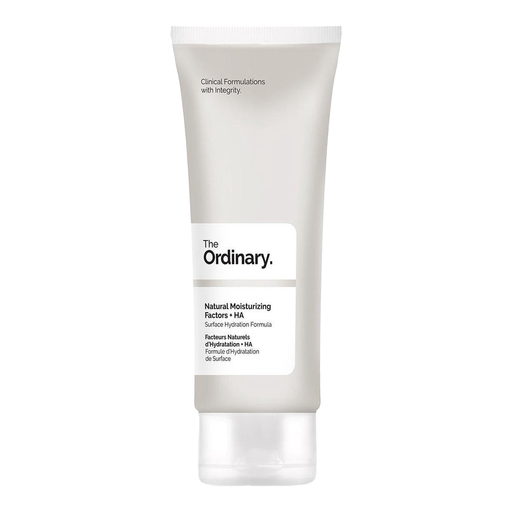
Why This Fits Their Persona: A straightforward daily moisturiser for anyone wanting to start with a simple formula. The product information mentions a non-greasy texture and a 100 ml size.
The product description states that it contains no perfume, alcohol, oil or silicones. Always check the current label, especially if you have sensitive skin.
Contains, according to the product information, NMF-related ingredients, amino acids, fatty acids and hyaluronic acid. The product information states that it is suitable for multiple skin types.

Why This Fits Their Persona: Suits fans of Korean skincare looking for a gel-cream face product with multiple humectant ingredients.
The lightweight gel-cream texture makes the choice more concrete than just the claim “long-lasting hydration”. Check whether the oils present feel suitable for your skin.
Lists five types of hyaluronic acid, argan oil, apricot kernel oil, panthenol and ceramide NP. Content: 100 ml.

Why This Fits Their Persona: Aimed at users seeking a fuller cream for the skin barrier as part of a consistent morning and evening routine.
The ingredients list makes the barrier-focused positioning verifiable. The product recommends a patch test, especially for sensitive skin.
Contains multiple ceramides, cholesterol, panthenol, squalane and various forms of hyaluronic acid. According to the product information, the formula has been tested for, among other things, hypoallergenicity and comedogenicity.
Apply the cream after cleansing and any serums. A small amount is usually enough; more product doesn’t automatically mean more comfort. For dry skin, you can use a richer cream mainly in the evening. A lightweight gel-cream may work better under sunscreen or make-up.
Introduce retinol or acids gradually. Use a sunscreen during the day and avoid contact with the eyes. For each product, check the expiry date, the period after opening and the storage instructions on the packaging.
Browse a current selection of dermatological moisturisers and compare textures, ingredients, sizes and usage advice.
For most routines, once in the morning and once in the evening is practical. For oily skin, one thin layer may be sufficient. Always follow the specific usage advice on the packaging.
The shelf life varies by product. Check the expiry date and the open-jar symbol, for example 6M or 12M. Store the cream in a cool, dry place away from direct sunlight when indicated on the label.
First, look for a short, straightforward ingredients list and check for perfume, essential oils and active ingredients. Preferably test a new product on a small area of skin. If you experience redness, swelling or persistent irritation, stop using it and seek medical advice.
