
Vandaag of morgen in huis

Kwaliteit gegarandeerd

Welkomstaanbiedingen ontgrendelen: GRATIS bezorging | Tot 80% korting | Gratis 30 dagen JoyPlus-proefperiode
Download de app
Dry skin after showering, a tight feeling beneath make-up or a shiny face after applying cream: choosing a hydrating face cream is less straightforward than attractive packaging might suggest. Marketing terms such as “intensive”, “repairing” and “fresh glow” only become meaningful when you consider them alongside the ingredients, texture and directions for use.
The following points will help you compare products more effectively and avoid disappointing purchases.
A rich cream can feel pleasant on dry skin, but may feel heavy on oily or combination skin. This can mean you use the product less often. A gel cream or lightweight lotion is often more practical during the day and beneath make-up.
Claims about long-lasting hydration, pores, redness or skin repair do not automatically apply to everyone. According to its product description, Clinique states that Moisture Surge 100H provides up to 100 hours of hydration, for example. This is a brand claim, not a universal guarantee for every user. Always check the ingredients list, the skin type the product is intended for and the safety information.
A 400 ml tub may seem like good value, but a hydrating body cream is not always intended for use on the face. Body creams may be richer or contain fragrance. Conversely, a 30 or 50 ml face cream may be a better choice when you are looking for a specific formula, although it may work out more expensive per millilitre.
Choose the texture based on your routine:
You would generally apply a hydrating face cream to cleansed skin. Always follow the instructions on the packaging. When trying a new formula, it is sensible to test it on a small area of skin first, particularly if you have sensitive skin.
Hyaluronic acid and glycerine are often used as moisture-binding ingredients. Isntree’s product information, for example, lists several forms of hyaluronic acid. Ceramides are found in products such as The Ceramide Skin Barrier Moisturizer and Dr. Althea 147 Barrier Cream. Niacinamide, aloe vera and centella asiatica are other commonly found ingredients in moisturisers.
Do not just consider what is included, but also what you would prefer to avoid. If you are looking for a fragrance-free face cream, check the full ingredients list rather than just the front of the packaging. The product descriptions for Clinique, Anua and Pyunkang Yul state that they contain fragrance-free formulas. NIVEA Moisturizing Cream, on the other hand, lists fragrance and information about ingredients including limonene and geraniol.
Check:
A cream containing acids, fragrance or several active ingredients requires extra care if you have sensitive skin. Stop using it if irritation occurs. Cosmetics are not a substitute for medical advice.
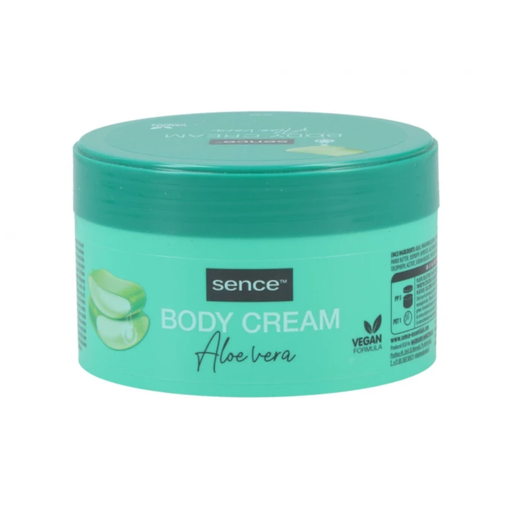
Why it suits this profile: A simple 200 ml body cream for anyone looking for everyday body care without immediately choosing a specialised face formula.
The product category and quantity are clearly stated. Do not automatically use this body cream as a face cream, and check the fragrance and ingredients information.
Body cream with an aloe vera variant and a 200 ml capacity; intended for everyday body care.

Why it suits this profile: A face-focused gel cream for anyone looking for a fragrance-free, alcohol-free and non-comedogenic formula.
The product information clearly states the gel texture, area of application and formula characteristics. According to the brand’s product description, it provides up to 100 hours of hydration.
30 ml gel cream; according to the product details, suitable for dry, very dry, combination and oily skin.

Why it suits this profile: A good choice for anyone specifically seeking a barrier-repair cream containing ceramides, cholesterol, squalane and several forms of hyaluronic acid.
The ingredients list allows you to check the formula before buying. According to the product information, a patch test is recommended, particularly for sensitive skin.
80 ml; contains ceramides NP, NS, AP, AS and EOP, plus hyaluronic acid and panthenol according to the stated ingredients list.

Why it suits this profile: A lightweight Korean skincare formula for anyone who wants hydration without a greasy feel.
The product details mention the gel texture and oily skin as the target audience. However, check whether the stated fragrance and ingredients suit your skin preferences.
100 ml; lightweight gel according to the product description, with red bean extract and a peptide complex.
We have put together a complete, up-to-date list of products that fully meet these strict selection criteria and the applicable European safety regulations.
That depends on the formula and your skincare routine. Many products are intended for use in the morning and evening on cleansed skin. Start with a small amount and apply more if your skin needs it. During the day, you should also use sun protection according to the instructions on that product.
Look for a short, easy-to-understand ingredients list and consider a fragrance-free face cream. Product descriptions for Clinique, Anua and Pyunkang Yul, among others, state that they contain no fragrance. This does not mean irritation is impossible: test a new product on a small area of skin first and stop using it if you experience any problems.
Not automatically. A body cream, such as Sence Bodycream Coconut or Aloe Vera, is intended for the body. NIVEA Moisturizing Cream states that it can be used on the face and body, but according to the ingredients list it does contain fragrance. Always check the intended area of use, texture and ingredients before applying a body product to your face.
