
Vandaag of morgen in huis

Kwaliteit gegarandeerd

Welkomstaanbiedingen ontgrendelen: GRATIS bezorging | Tot 80% korting | Gratis 30 dagen JoyPlus-proefperiode
Download de app
A hydrating face cream may seem simple to choose, but products vary considerably in texture, ingredients and additional benefits. A rich cream can feel comfortable on dry skin, but heavy on oily skin. A lightweight gel cream may be comfortable during the day, but not enough when your skin feels tight.
The right choice therefore starts not with a striking marketing claim, but with your skin type, when you use it and the complete ingredients list.
A facial moisturiser can promise hydration, glow, skin barrier repair, protection against blue light and reduced pigmentation all at once. That does not automatically mean that all these effects are supported to the same extent. Check which ingredients are actually listed and what you want to use the cream for.
For example, a brightening cream with niacinamide or tranexamic acid is aimed at creating a more even-looking complexion. That is different from an ordinary hydrating face cream without ingredients intended for complexion care.
A cream for dry skin often contains more emollient or occlusive ingredients. For oily or combination skin, an oil-free face cream or gel texture may feel more comfortable. If you focus only on the word “intensive”, you could end up with a product that feels sticky or pills underneath make-up.
A face cream with SPF can be convenient for daytime use, but the protection factor, amount applied and reapplication remain important. A tinted day cream with SPF combines skincare with light coverage, but does not automatically replace every other sun protection product. Also check whether the packaging provides information about UVA and UVB protection.
Use the product information as your first filter:
Ingredients are listed in descending order of concentration, but the presence of an ingredient alone does not indicate how your skin will react. A formula containing several plant extracts or fragrance ingredients may be less suitable for some users.
With a Korean skincare cream, you will often see centella asiatica, niacinamide, propolis, panthenol or various humectants. These may be interesting, but always compare the full list and the texture. Claims such as “vegan”, “fragrance-free” or “alcohol-free” should also be verifiable on the product page or packaging.
Compare millilitres and the recommended frequency of use. A 40 ml product with SPF or tint may be used differently from a 75 ml jar intended for morning and evening use. Store the cream according to the label and check the expiry date or period after opening on the packaging.
If you have sensitive or blemish-prone skin, first test a small amount on a limited area. Stop using it if irritation occurs and follow the manufacturer’s safety information.
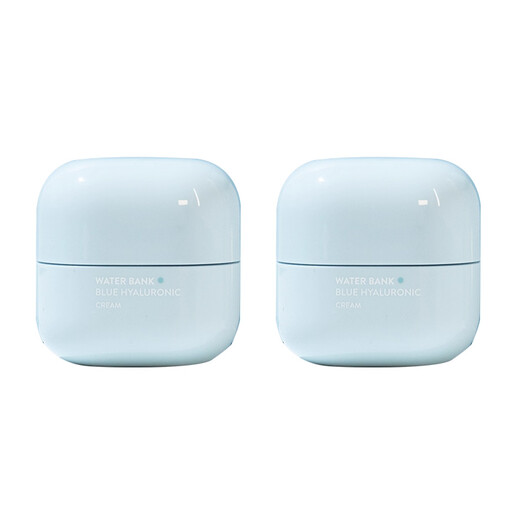
Why it suits this profile: The set contains two 50 ml packs and, according to the product description, is intended for daily use. The lightweight texture may be practical underneath make-up or SPF.
The product information mentions quick absorption and no heavy or greasy residue. However, check the current ingredients list and packaging before buying.
2 x 50 ml; lightweight and suitable for daily use according to the product description.
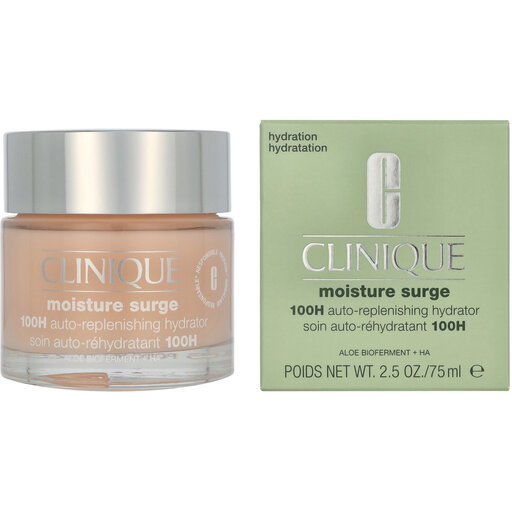
Why it suits this profile: According to the product specifications, this gel cream is oil-free, fragrance-free and suitable for dry, combination and oily skin. The formula is a good fit for anyone looking for a lightweight texture.
The oil-free gel texture helps reduce the risk of a heavy feel. According to Clinique’s own information, the “100 hours” claim comes from the brand; do not treat it as a personal guarantee.
75 ml; oil-free; fragrance-free; according to the product information, suitable as a day cream, primer or mask.
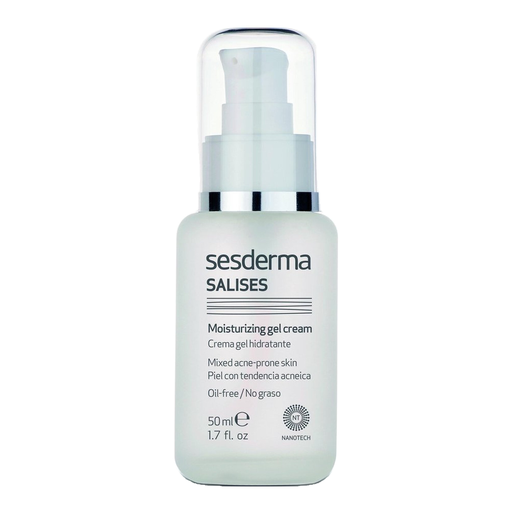
Why it suits this profile: According to the product information, this gel cream is intended for normal and combination skin that is also prone to blemishes. The clear gel may suit a lightweight morning and evening routine.
The texture and target audience are clearly described. However, check the ingredients list for salicylic acid and alcohol denat. if your skin is prone to sensitivity.
50 ml; gel texture; fragrance-free according to the product specifications; contains niacinamide and salicylic acid.
For dry skin, Weleda Skin Food Light may be worth considering thanks to its richer, nourishing positioning and 75 ml size. According to the product description, the formula contains 100% natural ingredients and a fragrance including lavender and orange. The latter is something to bear in mind if you avoid fragrance or essential oils.
If you want to combine hydration with complexion care, consider SKIN1004 Centella Asiatica Brightening Light Gel Cream. According to the product information, this formula contains 60% centella asiatica extract, niacinamide and tranexamic acid. The claims relating to brightening and pigmentation come from the product description; results vary from person to person.
For a cream with built-in colour correction and SPF, NIVEA Cellular LUMINOUS630 CC Fluid Cream SPF 30 is an option. The manufacturer describes light coverage and protection against sun-induced pigmentation. Check the shade, ingredients and directions for use before ordering.
We have put together a complete, up-to-date list of products that fully meet these strict selection criteria and the applicable European safety regulations.
Applying it after cleansing, in the morning and evening, is usually sufficient. During the day, apply a product with a suitable SPF first or alongside it when your skin is exposed to sunlight. Always follow the directions on the packaging.
Check the expiry date or the period-after-opening symbol on the packaging. Close the jar or tube securely and store the cream in a cool, dry place away from direct sunlight. A change in smell, colour or texture is a reason to stop using the product.
An oil-free face cream, lotion or facial gel cream is often practical if you want a lightweight finish. Also check for fragrance, alcohol denat. and active ingredients. Oily skin can also lack moisture, so do not automatically avoid every hydrating formula.
