
Vandaag of morgen in huis

Kwaliteit gegarandeerd

Welkomstaanbiedingen ontgrendelen: GRATIS bezorging | Tot 80% korting | Gratis 30 dagen JoyPlus-proefperiode
Download de app
A hydrating face cream might seem simple to choose, but the options range from lightweight gel creams to rich night creams. A serum, lotion or moisturiser can also help hydrate your skin. The right choice depends mainly on your skin type, preferred texture and the ingredients your skin tolerates well.
Words such as hyaluronic acid, niacinamide, collagen and beta-glucan may catch your eye, but on their own they don’t tell you how much of an ingredient a product contains. Check the full ingredients list instead. Glycerin, sodium hyaluronate, panthenol, betaine and ceramides are examples of ingredients commonly found in moisturising products.
A product containing several forms of hyaluronic acid may be worth considering, but a simple formula can work just as well. Claims about reaching deeper layers of the skin, restoring it or providing long-lasting effects aren’t automatically a guarantee for every user. Judge the product by its listed ingredients and how it works for you.
A rich cream can feel comforting on dry skin, but a heavier texture may feel unpleasant on combination or oily skin. A face gel cream or lightweight lotion may be more practical in that case. Conversely, a watery moisturiser may not feel comfortable enough on very dry skin without a more occlusive cream on top.
Even a product described as suitable for sensitive skin may contain ingredients that don’t agree with you. Look out for fragrance, alcohol denat., acids and plant extracts. Always check the current packaging, as ingredients can change. Test a new product on a small area of skin first, and stop using it if you experience redness, itching, a burning sensation or swelling.
A hydrating serum is usually thinner and is applied after cleansing, and after toner if you use one. Follow with a face moisturiser or cream to complete your skincare routine. A serum can therefore be used alongside a cream; it doesn’t always need to replace one.
For example, a beta-glucan serum or hyaluronic acid serum may suit someone looking to add extra hydration without applying a rich layer straight away. Follow with a cream if you’d like more comfort or a protective layer.
Compare more than just the price: the size, whether 30, 50, 60 or 100 ml, affects the cost per use. Also check:
Cosmetics sold on the European market are subject to Regulation (EC) No 1223/2009. This doesn’t mean every formula is suitable for every skin type. The packaging, ingredients list and safety instructions are more important than general advertising claims.
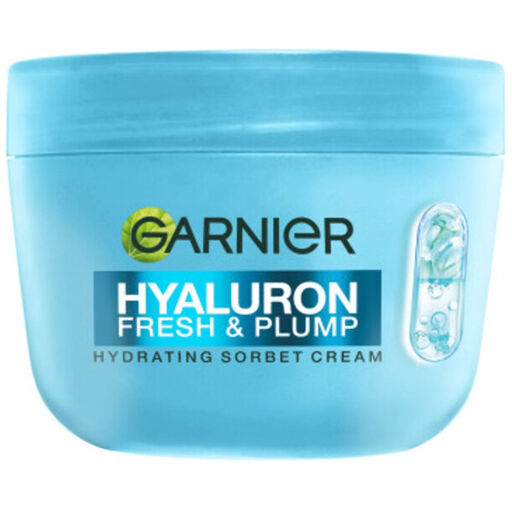
Why it suits this profile: This sorbet-like cream contains glycerin, niacinamide, aloe vera and sodium hyaluronate, among other ingredients. The 85 ml size is practical for everyday use.
The ingredients list shows that there’s more to the formula than the word “hyaluron” on the label. It also contains fragrance, alcohol denat. and salicylic acid, so check first that these suit your skin.
85 ml; lightweight sorbet texture; contains glycerin, niacinamide and sodium hyaluronate.

Why it suits this profile: The product information describes this gel cream as suitable for dry, very dry, combination and oily skin. It also describes the formula as fragrance-free, alcohol-free and non-comedogenic.
The gel texture challenges the assumption that intensive hydration always requires a heavy cream. The claim of up to 100 hours of hydration is a brand claim; judge the results on your own skin.
30 ml gel cream; described in the product information as fragrance-free, alcohol-free and non-comedogenic.
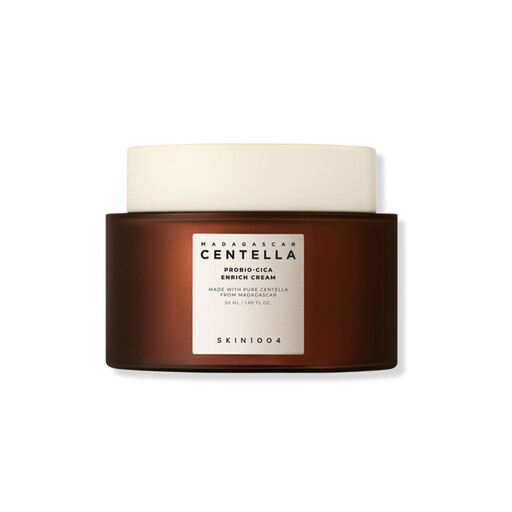
Why it suits this profile: According to the product information, this Korean skincare cream contains centella asiatica, niacinamide, shea butter and ceramide NP, among other ingredients. Its richer texture may suit those looking for comfort and barrier-focused care.
The formula offers more than one popular marketing ingredient. As it contains shea butter and oils, it’s sensible to adjust the amount you use if you have oily or combination skin.
50 ml; contains ceramide NP, centella asiatica and shea butter; the product page mentions a dermatological irritation test.

Why it suits this profile: According to the product information, this lightweight gel is designed for oily, combination or dry skin. It contains red bean extract and a peptide complex, among other ingredients.
Choosing this product isn’t just about getting a heavy, intensely moisturising feel. Its gel texture is designed for people who want hydration without a noticeably greasy finish.
100 ml; lightweight gel texture; designed for the face and neck, for use morning and evening.
We’ve put together a complete, up-to-date list of products that meet these strict selection criteria and the applicable European safety requirements.
Generally, use the thinnest product first. Cleanse your skin, apply toner if you use one, then a hydrating serum, and finish with a moisturiser or cream. During the day, apply sun protection as the final step in your skincare routine.
It depends on your skin and the product instructions. Many creams are intended for use once or twice a day. Start with a small amount and only apply more if your skin needs it. A dry skin type may appreciate a richer night cream, while oily skin may prefer a lightweight gel.
With daily use, a 30 to 50 ml pack will usually run out sooner than a 100 ml product. How long it lasts in practice depends on how much you use each time and whether you also apply it to your neck or dry patches. Once opened, check the PAO symbol and store the cream as directed on the packaging.
