
Vandaag of morgen in huis

Kwaliteit gegarandeerd

Welkomstaanbiedingen ontgrendelen: GRATIS bezorging | Tot 80% korting | Gratis 30 dagen JoyPlus-proefperiode
Download de app
A hydrating face cream might seem simple to choose, but the range on offer varies enormously. A gel-cream can be pleasant for oily skin, whereas dry skin tends to need a richer formula. Terms like “intense hydration”, “anti-ageing” and “suitable for all skin types” don’t tell you much on their own without checking the ingredients list and usage information.
Brands sometimes describe their products with terms like “radiant skin”, “repair” or “long-lasting hydration”. According to the brand’s own research or product description, certain results may be linked to these claims, but this is no guarantee for every user. So, focus on verifiable information instead, such as the size, texture, fragranced or fragrance-free status, and the ingredients present.
A rich cream isn’t automatically a good choice for dry skin, and a light gel isn’t always enough when you feel tightness. A face moisturiser needs to fit your daily routine, the season, and your preference for a matte, natural or dewy finish.
Pots are practical, but they require hygienic use with clean hands. A pump bottle limits direct contact with the formula. Always check the expiry date, the period after opening, and the usage instructions on the packaging. The current ingredients list on the physical product is definitive, as formulas can change.
A hyaluronic acid cream often contains sodium hyaluronate, hydrolysed hyaluronic acid, or several variants of these. These ingredients are used as humectants in cosmetic formulas. Glycerin, betaine and panthenol also have a hydrating or soothing function in many face creams.
If you’re specifically looking for a skin barrier cream, look out for ceramides, cholesterol, fatty acids and emollient oils. Dry skin often benefits more from a cream with a more occlusive nature, while oily or combination skin usually prefers a light gel-cream.
A niacinamide cream can be interesting when you’re looking for a formula that combines niacinamide with hydrating components. Brand product descriptions sometimes link this ingredient to a more even complexion or refined skin texture. Treat such descriptions as information from the manufacturer, not as a guaranteed personal result.
For an anti-ageing face cream, it’s wise not to just look at the name. Check the full ingredients list and note any warnings. Products with vitamin C, retinal or other active ingredients may have additional usage instructions. During the day, separate sun protection remains important.
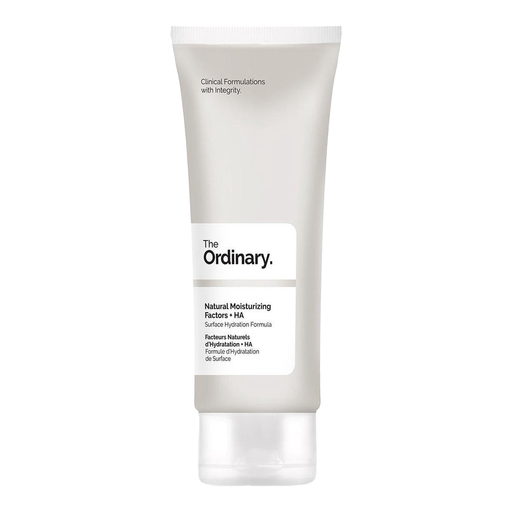
Why this fits the profile: The dispenser packaging contains 100 ml and the product information states a non-greasy formula suitable for dry, normal, oily, combination, mature and sensitive skin.
The product page gives concrete information about size, dispenser and texture, so you don’t have to rely solely on a general claim about hydration.
100 ml content; contains Natural Moisturising Factors and hyaluronic acid; stated as alcohol-free, oil-free, silicone-free and nut-free.
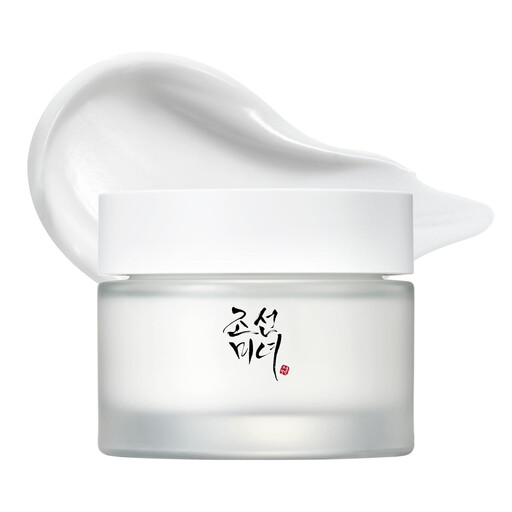
Why this fits the profile: This Korean face cream combines a creamy formula with ingredients including rice bran water, ginseng root water, niacinamide, honey extract and ceramide NP.
The composition is clearly specified and the product information states that the cream is unscented. Check the current packaging at the time of purchase.
50 ml; creamy texture; contains niacinamide and ceramide NP; stated as suitable for all skin types in the product information.
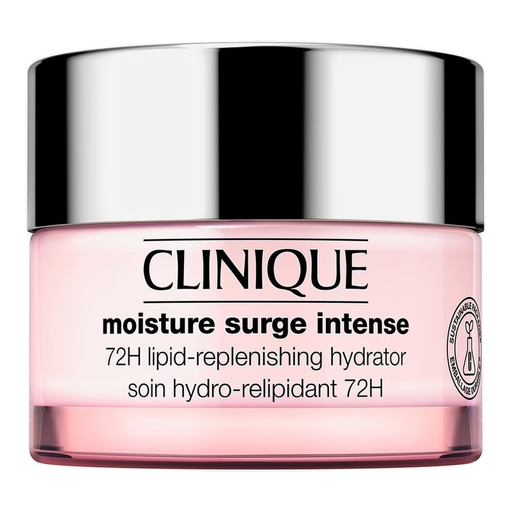
Why this fits the profile: According to the product information, this gel-cream is designed for dry and very dry skin and can also be used as a mask or spot treatment.
The application is clearly described: as a daily cream, under or over make-up, as a mask or on dry patches. The formula is stated as fragrance-free.
50 ml; gel-cream; contains glycerin, squalane and sodium hyaluronate; product information states fragrance-free and non-comedogenic.
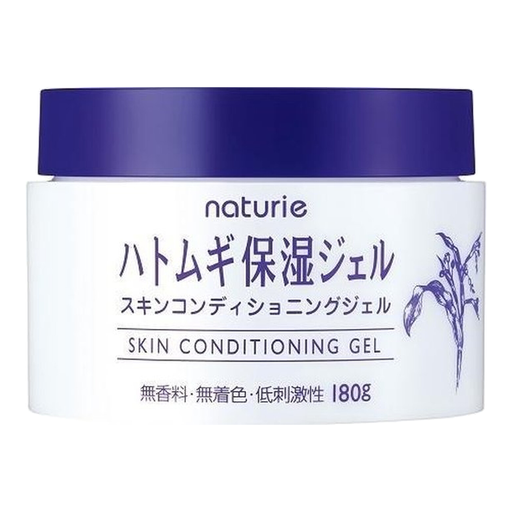
Why this fits the profile: This light gel is intended for face and body and is mentioned in the product information for oily, combination and sensitive skin.
The gel texture and the absence of fragrance, alcohol and colourants according to the product information make the choice clearer for anyone wanting to avoid heavy or scented creams.
180 g; suitable for face and body; light, fast-absorbing gel; product information states alcohol-free and fragrance-free.
We’ve put together a full, up-to-date list of products that fully meet these strict selection criteria and comply with current European safety regulations.
Apply the cream after cleansing your face. Use a small amount and spread it evenly over your face and, if desired, your neck. A gel or light cream often works well in the morning; a richer formula can be used in the evening. Always follow the instructions on the packaging.
Look for a formula with glycerin, hyaluronic acid, panthenol, ceramides, squalane or emollient oils. A cream for dry skin can feel richer, but it should still be comfortable to wear. For very dry skin, a product with a barrier-focused composition may be more suitable than a thin gel.
The shelf life varies by product and packaging. Check the date, the symbol for the period after opening, and the instructions on the label. Store the cream in a cool, dry place away from direct sunlight, and close the packaging properly after use. Stop using it if you experience redness, itching or a burning sensation, and consult a healthcare professional if symptoms persist.
