
Vandaag of morgen in huis

Kwaliteit gegarandeerd

Welkomstaanbiedingen ontgrendelen: GRATIS bezorging | Tot 80% korting | Gratis 30 dagen JoyPlus-proefperiode
Download de app
A hydrating face cream might seem simple to choose, but the range is vast. A gel-cream for the face, a rich night cream, a moisturiser for the face with hyaluronic acid, or a tinted day cream with SPF: each product is developed for a different time of use.
The right choice doesn't just depend on an attractive pot or a long list of ingredients. Instead, look at your skin type, the texture, the formula, and how you want to use the cream. This way, you can avoid a product that feels too heavy, pills under make-up, or simply doesn't give enough comfort for dry skin.
Terms like "intensive hydration", "barrier repair" and "long-lasting moisture binding" sound convincing. Yet they don't always tell you how a formula will work in your routine. So check the ingredients and product details. Glycerine, hyaluronic acid, panthenol, beta-glucan, ceramides and oils each have a different function within a cream.
Claims about, for example, a certain number of hours of hydration come from the brand's product information. See such information as an indication of the intended use, not as a personally guaranteed result.
A face cream for dry skin sometimes contains more oils, butters or occlusive ingredients. That can be pleasant for a tight feeling, but it may feel less suitable on oilier skin. A light gel-cream or oil-free moisturiser can then be more practical, especially during the day or under make-up.
Korean skincare offers many light gel textures and formulas with hyaluronic acid, centella or ceramides. That doesn't automatically mean every product is suitable for sensitive skin. Natural ingredients and essential oils can also cause sensitivity in some users. So always read the full ingredients list and check warnings on the packaging.
Hyaluronic acid comes in different forms, such as sodium hyaluronate and hydrolyzed hyaluronic acid. It is widely used in hydrating creams to help bind moisture to the skin. The presence of hyaluronic acid alone says nothing about the overall performance or feel of the product.
Ceramides and cholesterol are found in formulas that focus on the skin barrier. A product description may indicate that a cream helps support or strengthen the skin barrier. This is a cosmetic product claim; it does not replace advice from a doctor or dermatologist.
Glycerine, beta-glucan and panthenol are often added for a comfortable, supple skin feel. Oils and shea butter generally make a cream richer, while silicones and gel-forming agents can provide a smoother or lighter feel.
A day cream with SPF can be handy as part of your morning routine, but check the SPF factor and apply enough product according to the packaging. A tinted moisturiser with SPF 25, such as the Clinique Moisture Surge Sheertint Hydrator, combines skincare with light coverage. According to Clinique's product description, this formula contains hyaluronic acid and activated aloe water, and the shade #04 Universal Medium is lightly tinted.
Also pay attention to the size: 30 ml is handy for a compact routine, while 75 or 100 ml can be more suitable for daily use. A night cream is usually richer and intended as the last step in the evening. A gel-cream can be used both under make-up and after a serum.
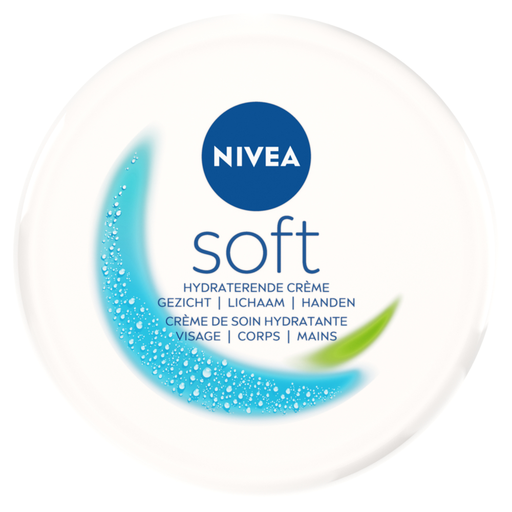
Why this fits the profile: A large pot for anyone looking for one simple cream for face and body.
The product description mentions a light texture, but the ingredients list does contain fragrance and alcohol denat. So check whether this suits your skin.
200 ml size; according to the product information, contains glycerine, jojoba oil and vitamin E.
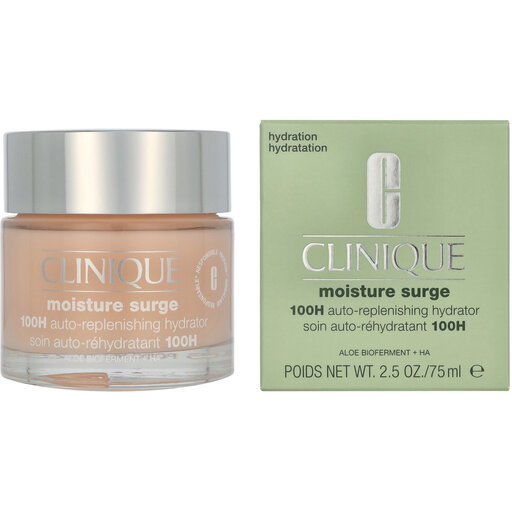
Why this fits the profile: An oil-free gel-cream for anyone looking for a well-formulated product with multiple uses.
The texture is clearly described as a gel-cream, and the formula is fragrance-free and oil-free according to the product information.
75 ml; suitable according to the product details for dry, very dry, combination and oily skin.

Why this fits the profile: Suitable for anyone looking for a fresh, light gel texture for combination or oily skin.
The product information describes a light gel with no sticky feel. Do check the current packaging and ingredients list.
100 ml; according to the product description, contains red bean extract and a peptide complex.
Apply a hydrating face cream to a cleansed skin. A slightly damp skin can feel pleasant with a formula containing glycerine or hyaluronic acid. Use a suitable sunscreen during the day; a cream with SPF can be practical, but the protection depends on the amount and correct application.
Start with a small amount and spread it evenly over your face and neck. If you have dry skin, you can first use a serum and then a richer cream. For combination skin, apply a light layer over the whole face and only give extra care to drier areas.
Pay attention to the expiry date and the period after opening on the packaging. Changes in smell, colour or texture are reasons to stop using the product. If you experience redness, itching, swelling or a burning sensation, stop using the product. If symptoms persist, it is wise to seek medical advice.
We have compiled a full, up-to-date list of products that fully meet these strict selection criteria and comply with current European safety regulations.
Look for a nourishing formula with glycerine, hyaluronic acid, ceramides, panthenol, beta-glucan or plant oils. A cream for dry skin doesn't have to be heavy automatically. Choose a texture that stays comfortable and consider using a richer night cream than day cream.
You can if the texture and formula suit both times. A light moisturiser often works well under make-up. For the evening, you can choose a richer cream if your skin needs extra comfort. A product with SPF is mainly intended for daytime and does not automatically replace a full sun protection routine.
Follow the expiry date and the symbol for the period after opening on the packaging. Store the cream in a cool, dry place away from direct sunlight. Close the pot or tube properly and use clean hands to limit contamination.
