
Vandaag of morgen in huis

Kwaliteit gegarandeerd

Welkomstaanbiedingen ontgrendelen: GRATIS bezorging | Tot 80% korting | Gratis 30 dagen JoyPlus-proefperiode
Download de app
A hydrating face cream might seem like a straightforward product, but the differences in texture, ingredients and packaging are vast. A cream that feels comfortable on dry skin can feel heavy on oily or sensitive skin. What’s more, marketing terms like “72-hour hydration”, “glow” and “anti-ageing” don’t always tell you enough about what’s actually inside.
This guide will help you choose a moisturising cream based on verifiable product information. That way, you can avoid paying for a pretty promise when the cream doesn’t actually suit your skin or your daily routine.
Words like “intense hydration”, “restorative” or “youthful appearance” are open to interpretation. So, look at the ingredients list and usage instructions instead. Glycerine, hyaluronic acid, panthenol, squalane and ceramides, for example, are commonly found in formulas that help retain moisture or leave the skin feeling comfortable.
Claims about wrinkles, elasticity or a “restored skin barrier” should be read as the brand’s product promise. According to the brand’s own research or the information on the product page, results may be linked to these claims, but they are not automatically the same for every user.
A face cream for all skin types sounds practical, but different skin types react differently to a rich cream, a gel texture or fragrance. Dry skin often benefits more from a fuller formula with emollient ingredients. Oily or combination skin may prefer a light gel cream.
Also check whether “suitable for sensitive skin” is backed up by information such as fragrance-free, a short ingredients list or a patch test recommendation. A product with botanical extracts or fragrances may be less suitable for some people, even if the brand describes it as gentle.
A 100 ml pot might seem good value, but the right amount depends on the texture and how you use it. You’ll typically use a richer cream in smaller amounts than a light gel. Also pay attention to the packaging. A pump dispenser limits contact with the product; with a pot, it’s important to use clean hands or a spatula.
A face cream for dry skin is often richer and contains more oils, fatty acids or occlusive ingredients. For combination or oily skin, a gel cream – like some Korean face creams – can be more comfortable. In cold weather, dry indoor air or if you cycle a lot, a slightly fuller formula may feel more pleasant.
Apply the cream after cleansing and any serums. During the day, a sunscreen product should be part of a complete routine, especially if you use products with acids or retinoids. The SOME BY MI AHA-BHA-PHA cream, for example, contains exfoliating acids according to the product information; sun protection and a patch test are recommended with this product.
Always test a new fragrance-free face cream or other formula on a small area of skin first. Stop if irritation persists and always follow the warnings on the packaging.
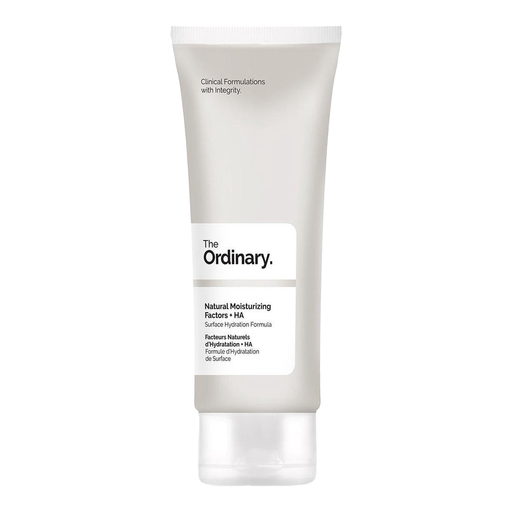
Why This Fits Their Persona: An accessible choice for anyone looking for a simple daily moisturising cream without a heavy, greasy finish. The 100 ml size and pump dispenser make it practical to use.
The product information mentions a non-greasy formula and lists hyaluronic acid. Do check the current packaging and ingredients list.
100 ml; according to the product information, it is free from alcohol, oils, silicones and nuts.
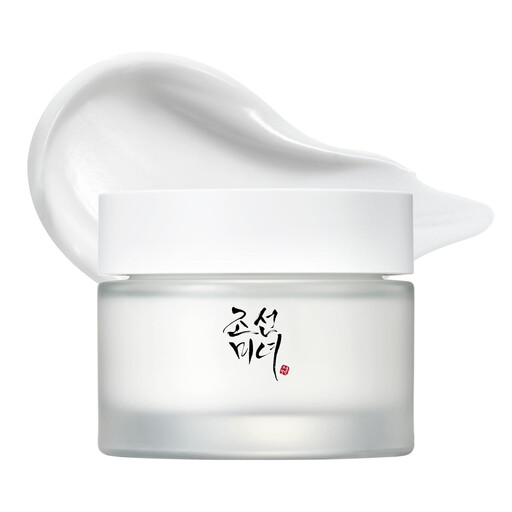
Why This Fits Their Persona: Suits fans of Korean skincare who want a creamy formula with rice extract, ginseng, niacinamide and ceramide NP.
The choice is based on the listed ingredients and texture, not just the promise of a radiant complexion.
Creamy formula; the product details mention an unscented version and suitability for all skin types.

Why This Fits Their Persona: Ideal for anyone who wants a light gel cream that works well under make-up or as part of a simple morning and evening routine.
The product information states it is fragrance-free, alcohol-free and non-comedogenic. Always check this on the current packaging.
Gel cream; according to the product details, suitable for dry, combination and oily skin.

Why This Fits Their Persona: A generous option for daily use if you have dry, normal or mature skin and are looking for a gel cream for daytime or as a night cream.
The formula lists five forms of hyaluronic acid, but suitability still depends on the full INCI list and your skin’s reaction.
100 ml; according to the product information, contains ceramide NP, panthenol and multiple forms of hyaluronic acid, among other ingredients.
Browse a current selection of face creams with different textures, ingredients and uses for your daily skincare routine.
Usually once or twice a day, after cleansing. Follow the instructions on the packaging. If you have oily skin, a small amount may be enough; if you have dry skin, a richer layer in the evening may feel more comfortable.
Check the expiry date and the jar symbol on the packaging. That symbol tells you how long the product can be used after opening. Store the cream in a cool, dry place away from direct sunlight. If the smell, colour or texture changes, stop using the product.
No. The price doesn’t just reflect the formula; it also reflects the brand, packaging and distribution. Compare the ingredients, size, texture and claims. A simple hyaluronic acid cream may be more suitable for your routine than a rich product with lots of extra active ingredients.
