
Vandaag of morgen in huis

Kwaliteit gegarandeerd

Welkomstaanbiedingen ontgrendelen: GRATIS bezorging | Tot 80% korting | Gratis 30 dagen JoyPlus-proefperiode
Download de app
A hydrating face cream might seem simple to choose, but the options vary widely in texture, ingredients and usage. A rich cream can feel lovely on dry skin, yet too heavy on oily skin. A light gel-cream can be comfortable during the day, but may not offer enough protection against moisture loss for dry or sensitive skin.
So don't just focus on words like "intensive", "plumping" or "100-hour hydration". Instead, look closely at the ingredients list, the formula and the usage instructions. That way, you avoid paying for a promise that doesn't match your skin or routine.
Brands sometimes describe their own research results using percentages or long hydration durations. According to Clinique's own research, the Moisture Surge formula can offer up to 100 hours of hydration, for example. That's a brand claim, not a guarantee for every user. Your skin type, climate, cleansing routine and the rest of your skincare regimen all influence the outcome.
So use this kind of information as a comparison point, not as a fixed personal effect.
A hyaluronic acid cream can help attract moisture, but the overall formula is at least as important. Glycerine, panthenol, betaine and trehalose are other moisture-binding ingredients, for example. To reduce moisture loss, ingredients like dimethicone, squalane, oils, fatty acids and ceramides can also be relevant.
A cream for dehydrated skin doesn't automatically need a high percentage of one popular ingredient.
A face cream for sensitive skin should be judged primarily on the full INCI list and your own tolerance. Fragrance, alcohol denat. and certain plant extracts aren't problematic for everyone, but they can be less suitable for some users. For instance, Garnier SkinActive Hyaluron Fresh & Plump Sorbet Crème contains alcohol denat., fragrance and salicylic acid according to the stated product information. Medicube Salmon DNA PDRN Pink Hyaluronic Moisturizing Cream lists fragrance and advises a patch test.
If you experience redness, itching or a stinging sensation, stop using the product. Consult a doctor or dermatologist if symptoms persist.
Combination skin can benefit from a gel texture during the day and a slightly richer formula in the evening. Don't just look at the label "for all skin types"; also check the ingredients and the finish.
A moisturising cream often contains humectants like glycerine, hyaluronic acid, sodium hyaluronate or panthenol. These ingredients help the skin feel more comfortable and supple.
A barrier-repairing cream also often contains ceramide NP, cholesterol, fatty acids, squalane or silicones. These ingredients can help limit moisture loss at the skin's surface. Medicube Hyaluronic Ceramide Jelly Cream combines, according to the product list, glycerine, squalane, ceramide NP, sodium hyaluronate, panthenol and allantoin, among others.
Bear in mind that "barrier-repairing" is a product positioning. According to the brand's own information, the formula supports the skin barrier; this doesn't mean the product replaces medical treatment.
Compare the volume in millilitres or grams, not just the price of the packaging. A 30 ml pot can be more convenient for travel, while 75, 80 or 100 ml can be better value for daily use.
Before using, check:
The ingredients list can change per production batch. So always use the information on the packaging you receive as the most up-to-date source.
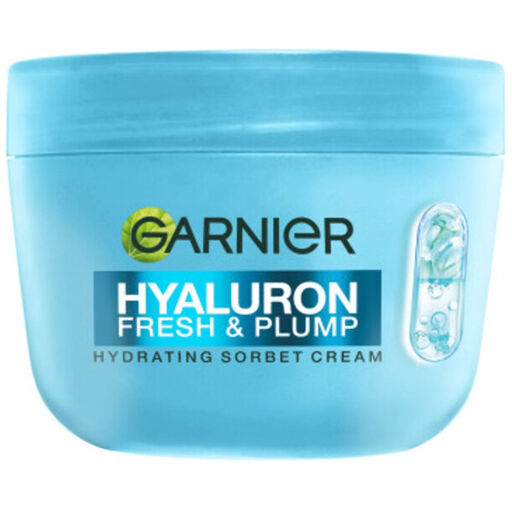
Why this fits the profile: The 85 ml volume and sorbet-like texture are practical for daily use when you're looking for an accessible moisturising cream.
The product information lists the full ingredients and warnings. However, be aware of alcohol denat., fragrance and salicylic acid if your skin reacts to them.
85 ml; glycerine, niacinamide, aloe and sodium hyaluronate are listed in the stated ingredients list.
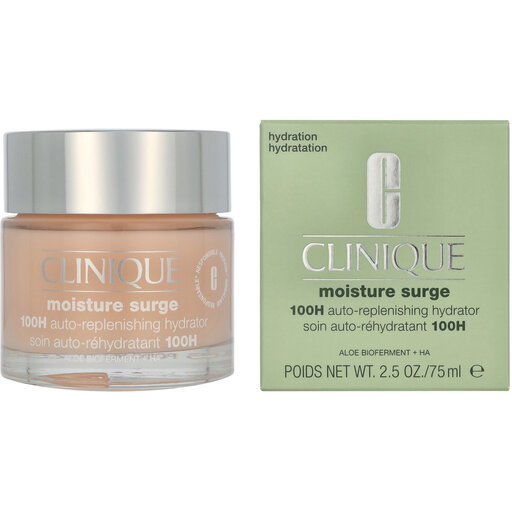
Why this fits the profile: The oil-free gel-cream suits users who want a refined, light finish for morning, evening or under make-up.
According to the product information, the formula is fragrance-free, alcohol-free and non-comedogenic. The 100-hour hydration claim comes from the brand description and should be read as a product claim.
75 ml; gel-cream; with glycerine, sodium hyaluronate, aloe and dimethicone.
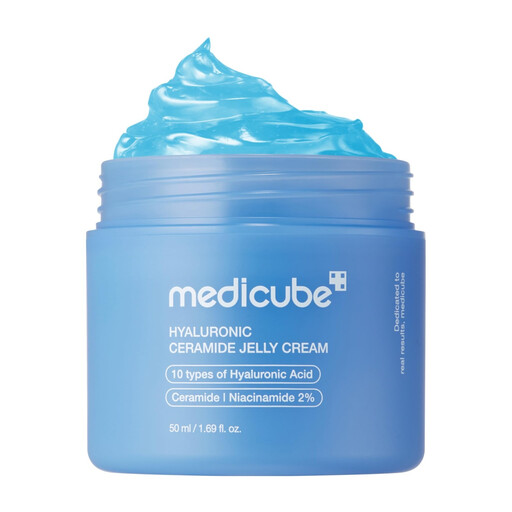
Why this fits the profile: The clear jelly texture is aimed at users looking for a lightweight Korean face cream with extra focus on moisture and comfort.
The product information specifically mentions ceramide NP, squalane, panthenol and glycerine. This allows you to assess the formula beyond just the term hyaluronic acid.
50 ml; contains sodium hyaluronate, ceramide NP, squalane, allantoin and panthenol.
We've put together a full, up-to-date list of products that fully meet these strict selection criteria and comply with current European safety regulations.
Use the cream on a cleansed face, ideally when the skin isn't completely dry. Apply a small amount to your face and neck and massage in gently. During the day, follow with sun protection as the final step. A gel-cream can often be used directly under make-up; a rich cream usually needs a little more time to absorb.
Check the expiry date and the period-after-opening symbol on the packaging. Store the cream in a cool, dry place away from direct sunlight, and close the packaging after use. If the scent, colour or texture changes noticeably, stop using the product.
For dry skin, a richer texture and ingredients like glycerine, squalane, ceramides and oils are often practical. For dehydrated skin, look for a combination of humectants and barrier-supporting ingredients. If you prefer a light finish, you can choose a hyaluronic acid cream or water cream and, if needed, layer a richer product on top. Always test a new product on a small area of skin first, especially if you have sensitive skin.
