
Vandaag of morgen in huis

Kwaliteit gegarandeerd

Welkomstaanbiedingen ontgrendelen: GRATIS bezorging | Tot 80% korting | Gratis 30 dagen JoyPlus-proefperiode
Download de app
A hydrating face cream may seem easy to choose, until you have to decide between a gel cream, a rich moisturiser, a Korean face cream or a formula designed for the skin barrier. Marketing claims such as “intensive”, “glow” and “100 hours of hydration” don’t always tell you how a product will fit into your daily routine.
So, a good choice starts not with the packaging, but with your skin type, the texture and the ingredients list.
Oily or combination skin may find a heavy formula uncomfortable, especially under sunscreen or make-up. A face gel cream usually feels lighter and can be more practical for daytime use. Dry skin, on the other hand, often benefits from a cream with emollient and occlusive ingredients.
Also consider the difference between a face cream and a body cream. Body creams can be richer and may contain fragrance, so they’re not automatically suitable for everyday use on your face.
Hyaluronic acid, niacinamide and PDRN often feature prominently in product titles. However, the presence of one ingredient alone doesn’t determine how a formula feels. Check the full INCI list, the texture and other ingredients such as glycerin, panthenol, squalane, ceramides or oils.
A brand’s own research may suggest that certain ingredients can help hydrate the skin or leave it feeling calm. This doesn’t guarantee the same results for everyone.
It’s best to test a new face cream for sensitive skin on a small area first. Also check for fragrance, essential oils and known allergens. Stop using the product if you experience a burning sensation, itching, swelling or persistent redness, and consult a doctor if needed.
A face cream for acne-prone skin isn’t an acne treatment either. A product may be described as non-comedogenic, but individual reactions are still possible.
Hyaluronic acid helps give a product a hydrating feel and comes in different forms, such as sodium hyaluronate. A hyaluronic acid face cream may suit you if you’re looking for a dewy, supple finish.
Niacinamide is often used in formulas designed to promote an even-looking complexion and support your skincare routine. A niacinamide face cream isn’t necessarily right for everyone; the overall formula and concentration still matter.
Panthenol, beta-glucan and ceramides are often chosen to help keep the skin barrier feeling comfortable. For example, the product description for Dr. Althea 147 Barrier Cream lists seven types of hyaluronic acid, ceramides and guaiazulene. Always check the current packaging, as formulations can change.
Compare not just the price, but also the size and recommended use. A 30 ml product can be handy for a compact routine, while a 100 ml jar may be more practical for everyday use.
Check the period-after-opening symbol, the expiry date and storage advice. If the packaging recommends it, store creams in a cool place away from direct sunlight. In the daytime, apply a sunscreen that suits your routine after your moisturiser.
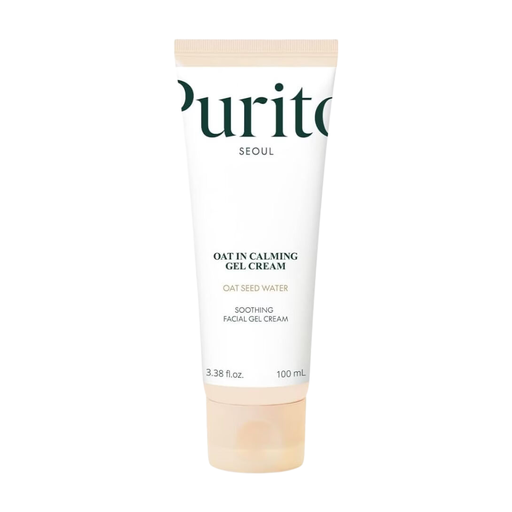
Why it suits this profile: According to the product information, this gel cream contains 77% oat seed water and is intended for daily use in the morning and evening. Its light texture is practical if you want to get started without a complicated routine.
According to the product description, the gel texture helps avoid a greasy feel. If you have a known oat allergy, be sure to check the ingredients.
100 ml; with glycerin, panthenol, squalane and beta-glucan.

Why it suits this profile: According to the product information, this gel cream is alcohol-free, fragrance-free and non-comedogenic. The formula is intended for dry, combination and oily skin, among other skin types.
The formula is listed as free from fragrance, alcohol, parabens and phthalates. The claim of up to 100 hours of hydration comes from the brand’s product description.
Gel texture; 30 ml; suitable for morning or evening use, or as a short mask, according to the instructions.
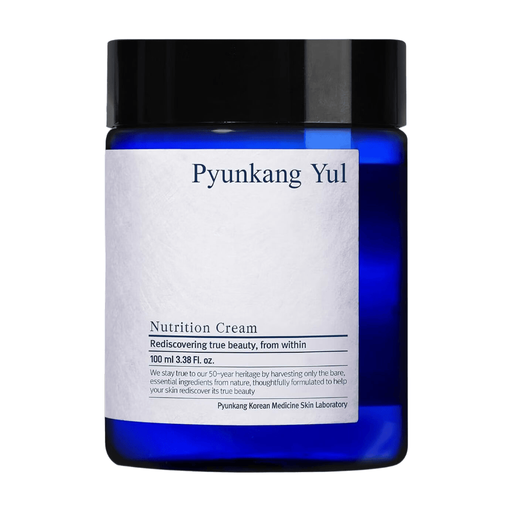
Why it suits this profile: According to the product description, this richer formula is designed for dry, mature or demanding skin. Shea butter, jojoba oil and sodium hyaluronate make it a good fit for a nourishing evening routine.
The product information describes it as fragrance-free. However, its rich formula may not be the best choice if you’re looking for an ultra-light day cream only.
100 ml; with shea butter, jojoba oil, beeswax and hyaluronic acid.
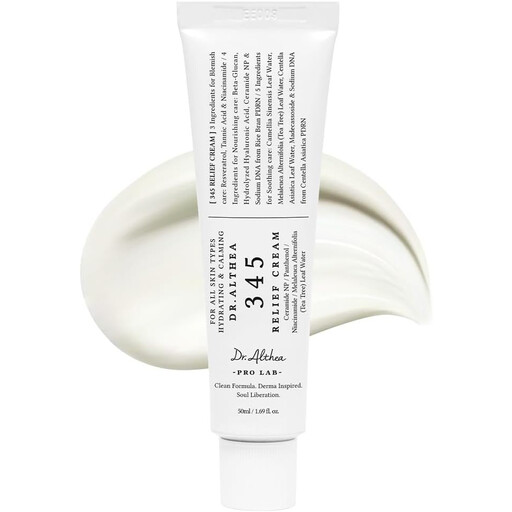
Why it suits this profile: According to the product description, this Korean face cream contains ceramide NP, hyaluronic acid, niacinamide and madecassoside. It is described as vegan, fragrance-free and non-comedogenic.
The listed ingredients and absence of artificial fragrances make it a good fit for a simple routine. Test it on a small area of skin first.
50 ml; ceramide NP and hyaluronic acid; the product description says it has been clinically tested for non-comedogenic properties.
We’ve put together a full, up-to-date list of products that meet these strict selection criteria and the applicable European safety regulations.
You’ll usually use a face moisturiser after cleansing, in the morning and evening. Apply a small amount, then add more if needed rather than using a thick layer straight away. During the day, sunscreen should be the final step in your skincare routine.
It can be, but it depends on how dry your skin is and which ingredients the formula contains. A face gel cream feels light, while a cream with shea butter, oil or an occlusive ingredient may feel more comfortable if your skin feels tight. If your skin is very dry, you could use a lighter formula during the day and a richer one in the evening.
Follow the period-after-opening symbol and shelf-life information on the packaging. The recommended period of use varies by product. Keep the jar or tube closed, away from direct sunlight, and use clean hands or the spatula provided. Before use, check for any changes in smell, colour or texture.
