
Vandaag of morgen in huis

Kwaliteit gegarandeerd

Welkomstaanbiedingen ontgrendelen: GRATIS bezorging | Tot 80% korting | Gratis 30 dagen JoyPlus-proefperiode
Download de app
A hydrating face cream may seem like a simple product, but the options vary considerably in texture, ingredients and use. A gel cream can feel comfortable on combination skin, while a rich, nourishing face cream may be better suited to dry skin. Sensitive skin also requires extra attention to fragrance, essential oils and potential allergens.
If you rely solely on words such as “intensive”, “repairing” or “anti-ageing”, you risk buying a product that does not suit your skin or routine. By checking the right details, you can compare moisturisers more practically and avoid making the wrong purchase.
Not every moisturising cream is automatically intended for the face. Body creams are often more heavily fragranced or developed for larger areas of skin that are less prone to reacting quickly. For example, according to the product information, Sence Bodycream Aloe Vera 200 ml is a body cream. So if you are looking for a face cream, always check the stated area of use.
A product for both the face and body can be practical, but you should still pay attention to fragrance, alcohol and how your own skin reacts.
More ingredients do not automatically mean that a cream is better suited to you. Glycerine, hyaluronic acid, panthenol and certain oils can all be relevant for hydration. Ingredients such as ceramides, cholesterol, fatty acids and squalane are often included to support the skin barrier.
Focus especially on the combination of ingredients and the texture. A hyaluronic acid cream can help the skin retain moisture at its surface, but dry skin may also need a nourishing, protective layer to lock that moisture in.
Terms such as “anti-ageing”, “soothing” or “repairs the skin barrier” are not a personal guarantee. A brand’s own research or the product description may mention such properties, but results vary from person to person. Instead, use verifiable information such as skin type, ingredients, size, fragrance status and directions for use.
If you have sensitive skin, it is sensible to test a small amount on a limited area first. Stop using the product if you experience redness, itching, swelling or a burning sensation, and follow the safety information on the packaging.
A day and night cream does not always have to mean two different products. A lightweight cream may feel comfortable during the day, while in the evening you may prefer a richer formula.
A skin-barrier cream often contains lipid-like ingredients such as ceramide NP, ceramide AP, ceramide EOP, cholesterol and phytosphingosine. These ingredients can be found, for example, in the ingredients list of The Ceramide Skin Barrier Moisturizer. The formula also contains squalane, panthenol and several forms of hyaluronic acid.
With a ceramide cream, the complete formula is more important than one standout ingredient. The packaging, volume and shelf life after opening also determine whether the product is practical for daily use.
Check the following before buying:
Apply a moisturiser after cleansing and, if required, after using a serum. During the day, also use a separate sunscreen with suitable protection; an ordinary face cream is not a substitute for it.
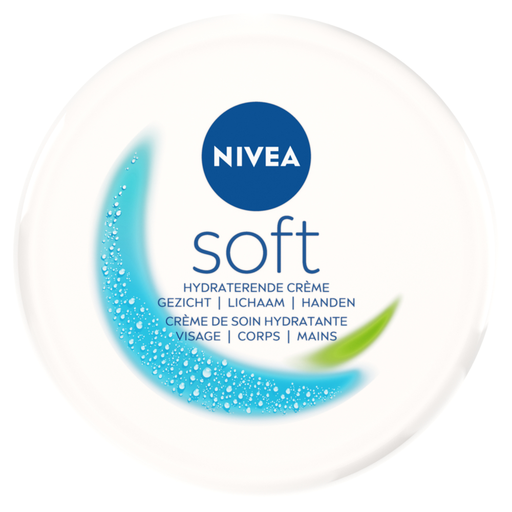
Why it suits this profile: A versatile cream for the face, hands and body, with a 200 ml volume and a lightweight formula according to the product description.
The areas of use, face and body, are clearly stated. However, check the fragrance allergens in the ingredients list if your skin is prone to reacting.
200 ml; jojoba oil and vitamin E according to the product information; suitable for daily use.

Why it suits this profile: According to the product description, the gel cream texture is suitable for dry, combination and oily skin types and can be used under make-up.
The lightweight gel texture means you do not have to reach straight for a heavy cream when your skin may also be combination or oily.
30 ml; gel cream; fragrance-free, alcohol-free and non-comedogenic according to the product information.

Why it suits this profile: A Korean skincare cream for users specifically looking for ceramides, hyaluronic acid and ingredients that fit into a skin-barrier routine.
The ingredients list includes several ceramides, cholesterol, squalane and hyaluronic acid. This allows you to compare the formula in concrete terms rather than relying solely on marketing language.
80 ml; ceramide NP, NS, AP, AS and EOP listed; patch test recommended according to the product information.

Why it suits this profile: The formula contains panthenol, three ceramides, squalane, allantoin and hyaluronic acid, and can be used in the morning and evening.
The product information states that the formula is fragrance-free and advises stopping use if irritation occurs. It is still important to check the ingredients and test the product first.
100 ml; panthenol and ceramides; clinically tested for sensitive skin according to the product information.
We have put together a complete, up-to-date list of products that fully meet these strict selection criteria and the applicable European safety regulations.
First cleanse your face and, if required, use toner or serum. Then apply a small amount of cream to your face and neck. Gently massage or press the cream into the skin. During the day, apply sunscreen as the final step. When trying a new product, start with a small amount.
Shelf life varies from product to product. Check the expiry date and the open-jar symbol showing the period after opening on the packaging. Store the cream in a cool, dry place away from direct sunlight. Close a jar or tube securely after use. If the smell, colour or texture changes noticeably, stop using the product.
No. The price does not indicate whether a cream is right for your skin. Compare the volume, ingredients, texture, fragrance status and area of use. A simple moisturising cream containing glycerine may be a more logical choice for one skin type than a rich anti-ageing face cream with lots of additional ingredients. So consider your own skin’s needs first, and the brand and price afterwards.
