
Vandaag of morgen in huis

Kwaliteit gegarandeerd

Welkomstaanbiedingen ontgrendelen: GRATIS bezorging | Tot 80% korting | Gratis 30 dagen JoyPlus-proefperiode
Download de app
A hydrating face cream can help your skin feel more comfortable, but not every formula suits every skin type. A rich cream can feel good on dry skin, while oily or combination skin may benefit more from a lightweight gel cream. Marketing terms such as “intense hydration”, “deep action” and “anti-ageing” don’t tell you much about the formula on their own.
Use this practical guide to compare ingredients, texture, skin type and how you plan to use the cream. That way, you’re less likely to pay for a product that feels too greasy, sticky or irritating after a few days.
A product with lots of ingredients isn’t automatically a better choice. Pay particular attention to the first ingredients on the INCI list. Glycerine, butylene glycol, betaine and hyaluronic acid are commonly used as humectants. Squalane, oils, shea butter and fatty alcohols can help your skin feel more comfortable and limit moisture loss.
Check for fragrance, too. A moisturiser for sensitive skin isn’t necessarily fragrance-free. Always check the full packaging, even if the product page describes it as gentle or soothing.
Hyaluronic acid comes in different forms, including sodium hyaluronate, hydrolyzed hyaluronic acid and crosspolymers. Product descriptions may refer to a particular form as “low molecular weight” or “deeply hydrating”. According to information from Torriden, the DIVE-IN cream contains several forms of hyaluronic acid. This is a product specification you can check, but it doesn’t guarantee that every skin type will react in the same way.
A moisturiser will generally feel more comfortable when humectants are combined with emollient and occlusive ingredients. So look at the formula as a whole rather than focusing on one popular ingredient.
A water cream or gel cream for the face feels refreshing and often absorbs quickly. It can work well for combination or oily skin, in warm weather or under make-up. If you have dry skin, a richer cream containing ceramides, oils or shea butter may feel more comfortable.
A moisturiser also doesn’t replace sunscreen. During the day, use a separate SPF product if you want protection from UV rays.
Ceramide NP, cholesterol, lecithin and fatty acids are found in formulas designed to support comfort and the skin barrier. These are cosmetic properties, not medical treatments. If irritation, redness or swelling persists, stop using the product and seek medical advice if needed.
Compare the size as well as the price. A 100 ml jar may work out cheaper per millilitre than a 50 ml pack, but only if the texture and how you use it suit your routine. Check the shelf-life information on the packaging, too. Products in jars or tubes often include a stated period after opening.

Why it suits this profile: The pack contains 100 ml, and the gel-cream texture is designed for daily use and as a night cream.
The product information lists five forms of hyaluronic acid and says the formula contains no ethanol. Check the current INCI list on the packaging.
100 ml; contains glycerine, several forms of hyaluronic acid, argan oil, apricot kernel oil and ceramide NP.
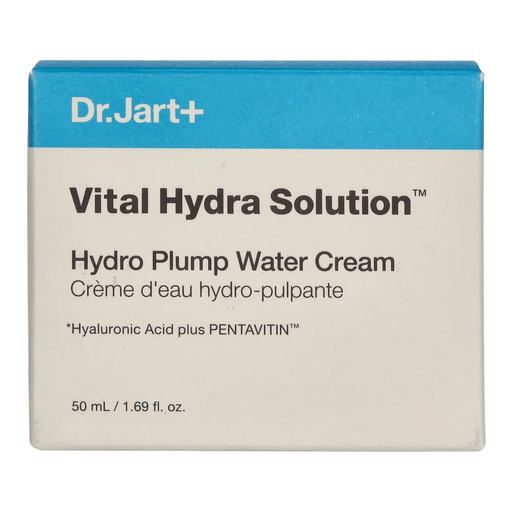
Why it suits this profile: According to the product description, this lightweight water cream is aimed mainly at combination and oily skin. It can also be worn under make-up.
According to information from Dr.Jart+, the formula contains 5% glycerine and is fragrance- and paraben-free. Check the ingredients if you have allergies.
Glycerine, sodium hyaluronate, niacinamide and beta-glucan; a 50 ml gel cream with a fast-absorbing texture.
We’ve put together a complete, up-to-date list of products that meet these strict selection criteria and the applicable European safety regulations.
When trying a new formula, start with a small amount. If you have sensitive skin, test it on a small area first, and always follow the instructions on the packaging.
Look for a formula with both humectants and emollient ingredients, such as glycerine, hyaluronic acid, squalane, oils, shea butter or ceramides. A cream for dry skin can be richer, as long as it feels comfortable and doesn’t cause irritation.
Often, yes. A lightweight gel cream for the face or an oil-free water cream may feel less heavy than a rich cream. Check the full ingredients list, though, and make sure the formula suits your skin’s individual response.
Follow the expiry date and the period-after-opening guidance on the packaging. Keep the cream closed, in a cool place and out of direct sunlight. If its scent, colour or texture changes, stop using it.
