
Vandaag of morgen in huis

Kwaliteit gegarandeerd

Welkomstaanbiedingen ontgrendelen: GRATIS bezorging | Tot 80% korting | Gratis 30 dagen JoyPlus-proefperiode
Download de app
A dry skin can feel tight, while an oily skin can become shiny quickly, and a sensitive skin sometimes reacts to seemingly mild ingredients. A hydrating face cream should therefore not only feel pleasant, but also suit your skin type, routine and texture preference.
Marketing doesn’t always make the choice easier. Words like “intense hydration”, “24-hour moisture” or “strengthen the skin barrier” sound appealing, but they only mean something once you check the ingredients, usage instructions and formula.
A hydrating gel or gel-cream for the face often feels light and cooling. That’s nice for an oily or combination skin, but a very dry skin may need a cream with humectants and emollient ingredients more.
So pay attention to the difference between:
A face cream with hyaluronic acid can help retain moisture on the skin, but hyaluronic acid alone doesn’t determine how comfortable or nourishing a formula is. Also check the rest of the ingredients list. Glycerine, panthenol, ceramides, amino acids and emollient oils can play a different role in the formula.
According to product information from various brands, these ingredients are linked to hydration or support of the skin barrier. These are manufacturer claims and not a guarantee of the same result for every user.
A product may be described as suitable for multiple skin types, but your personal preference remains important. An oil-free face cream can be pleasant under make-up, for example, while someone with dry skin is looking for a richer texture. For sensitive skin, fragrances, alcohol, colourants or certain plant extracts are extra points to watch.
Choose a light day cream, hydrating gel or oil-free formula if you quickly experience a greasy feeling or a shiny T-zone. A cream with a richer composition may suit dry areas better, especially in a cold or dry indoor climate.
Don’t just compare the price, but also the amount. A 50 ml pot may seem more expensive than a 100 ml tube, but the usage duration depends on the dosage. Also check the current ingredients list on the packaging. Product formulas can change.
Apply a hydrating face cream to a cleansed skin. A serum can be used beforehand, followed by a cream to finish the routine. Test a new product on a small area of skin first, especially with skincare for sensitive skin. Stop using it if redness, itching or irritation occurs, and follow the safety information on the packaging.
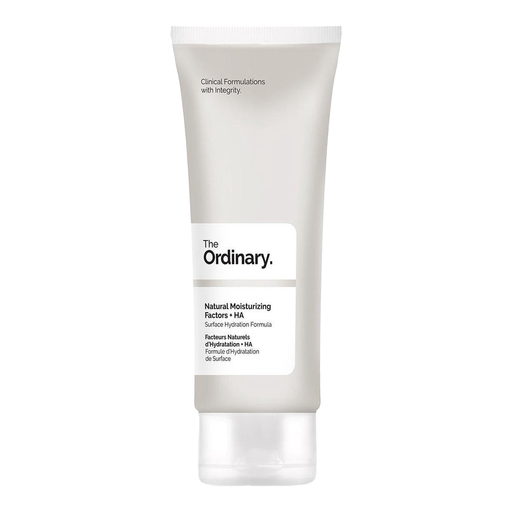
Why this fits the profile: The formula is intended for dry, normal, oily, combination, sensitive and mature skin. The 100 ml content makes this a practical choice for anyone looking for a simple daily base.
The product description mentions a non-greasy formula without alcohol, oil, silicones and nuts. Check the current packaging if you need to avoid specific ingredients.
100 ml content; contains hyaluronic acid and Natural Moisturising Factors according to the product information.
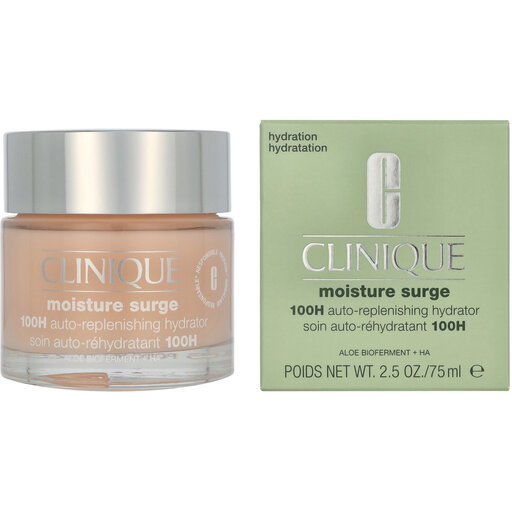
Why this fits the profile: The gel-cream is intended for those looking for a light, oil-free texture that can be used during the day or under make-up.
The product information states an oil-free, fragrance-free and non-comedogenic formula. Claims such as “100 hours” come from Clinique and should be read as brand claims.
75 ml; oil-free and fragrance-free gel-cream according to the product description; contains sodium hyaluronate.
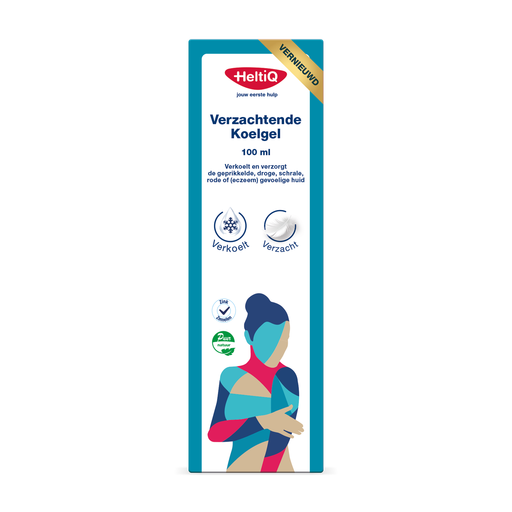
Why this fits the profile: This gel is aimed at a cooling and soothing feeling for dry or sensitive skin. According to the product information, the tube can be stored in the fridge.
The product is not presented as a medical device. However, please note: the formula contains oat and is not suitable for those with an oat or gluten allergy according to the product information.
100 ml; alcohol-free formula according to the product description; contains glycerine, aloe vera, oat extract and zinc PCA.
We’ve put together a full, up-to-date list of products that fully meet these strict selection criteria and comply with current European safety regulations.
A peeling gel, such as the ANUA Heartleaf LHA Moisture Peeling Gel, is not a substitute for daily hydration. According to the usage instructions, it is massaged onto the skin and rinsed off, after which a moisturising cream is applied. Use exfoliating products in moderation, especially on sensitive skin.
A serum usually has a lighter texture and is often used before a cream. A hydrating cream generally forms the final skincare layer and can help keep the applied moisture comfortably on the skin for longer.
Look for an oil-free face cream, gel or light gel-cream with a non-greasy finish. Products like Clinique Dramatically Different Moisturizing Gel and Clinique Moisture Surge are linked to oily or combination skin in the product information. Always check the current ingredients list and your own skin reaction.
The shelf life and period after opening are stated on the packaging. Store the cream according to the instructions, close the packaging properly and watch for changes in smell, colour or texture. Do not continue using a product if it has clearly changed.
