
Vandaag of morgen in huis

Kwaliteit gegarandeerd

Welkomstaanbiedingen ontgrendelen: GRATIS bezorging | Tot 80% korting | Gratis 30 dagen JoyPlus-proefperiode
Download de app
A hydrating face cream may seem like a simple product, but there are big differences in texture, ingredients and how you use it. A cream that feels comfortable on dry skin may feel too heavy on oily or sensitive skin. Marketing terms such as “deep hydration”, “barrier repair” and “anti-ageing” only tell you so much: check the ingredients list and instructions for use, too.
If you’re searching for the “best hydrating face cream”, it’s worth comparing more than just brands or reviews. Start by considering your skin type, the texture you prefer and the ingredients that fit your daily routine.
Words such as “intensive”, “100 hours” or “regenerating” may sound convincing, but they don’t always tell you how a product will feel on your skin. Clinique’s product description says Moisture Surge 100H provides up to 100 hours of hydration. This is a brand claim, not a guarantee for every user. So check the formula, the skin type the product is intended for and the recommended way to use it.
A face cream with hyaluronic acid can attract and retain moisture, but the overall formula shapes your experience of the product. Glycerine, oils, silicones, panthenol and ceramides, for example, all affect its texture and comfort. A lightweight gel-cream for the face is often a better fit for combination or oily skin, while a richer formula may suit dry skin.
A long ingredients list isn’t automatically a good thing. Fragrance, retinol, acids and various plant extracts may not suit everyone. Always check the current packaging, especially if you have allergies or skin that reacts easily. Test a new product on a small area of skin first, and stop using it if you experience redness, itching, swelling or a burning sensation.
Hyaluronic acid comes in several forms, including sodium hyaluronate, hydrolysed hyaluronic acid and crosspolymers. The product description may say that a formula contains several forms, but the effects and feel on your skin vary from product to product.
Ceramides and lipids are often used in a face cream that supports the skin barrier. Various brands’ product descriptions say these ingredients help support the skin’s moisture barrier.
Panthenol, glycerine and betaine are common humectants. Niacinamide is often added to help skin look more even and feel comfortable. Anti-ageing products may contain retinol, peptides or adenosine. Retinol needs extra care: start slowly, use sun protection during the day and follow the instructions on the packaging.
Compare the amount as well as the price: 30 ml, 50 ml, 80 ml and 100 ml aren’t directly comparable. A pump bottle limits contact with the cream, while a jar needs a spatula for hygienic use. Also check the expiry date and the period after opening shown on the packaging.
Usually, apply face cream after cleansing and, if you use them, after toner or serum. During the day, you’ll need separate sun protection if the cream doesn’t provide a suitable SPF. A day cream with SPF can be part of your routine, but follow the guidance on how much to apply and when to reapply.
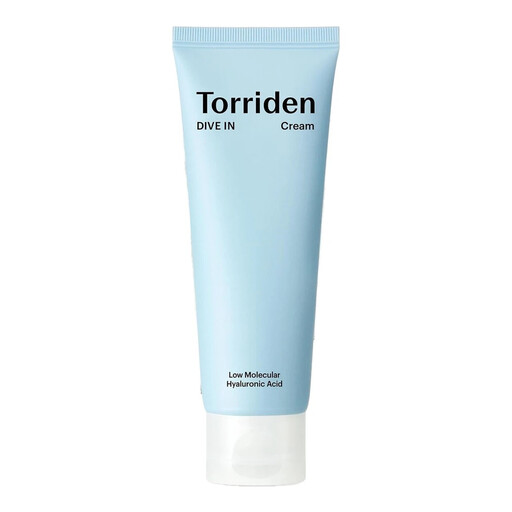
Why it suits this profile: The 80 ml size and lightweight, fast-absorbing texture make this Korean face cream a good fit for a simple daily routine.
The ingredients list includes several forms of hyaluronic acid, so you don’t have to rely solely on the claims on the front of the packaging.
80 ml; the formula includes glycerine, sodium hyaluronate and various hyaluronic acid derivatives.

Why it suits this profile: According to the product information, this gel-cream is alcohol-free, fragrance-free and non-comedogenic, and can be worn under make-up.
The texture and listed product features are easier to check than a general hydration claim on its own.
Gel-cream; 30 ml; according to the product description, suitable for dry, very dry, combination and oily skin.

Why it suits this profile: The 100 ml pack and combination of panthenol, three ceramides, hyaluronic acid and squalane make it a good match for a more involved routine for dry or sensitive skin.
The formula isn’t based on hyaluronic acid alone; it also includes lipids and humectants, which affect its texture and feel on the skin.
100 ml; panthenol; ceramide NP, EOP and AP; the ingredients list also includes hyaluronic acid, squalane and allantoin.
We’ve put together a complete, up-to-date list of products that meet these strict selection criteria and the applicable European safety regulations.
For most routines, it’s common to apply cream morning and evening after cleansing. Always follow the instructions for the specific product. With active ingredients such as retinol, you may need to use it less often.
Look for a richer formula with glycerine, hyaluronic acid, panthenol, oils, shea butter or ceramides. A face cream for daily use doesn’t have to feel heavy, but it should feel comfortable and leave your skin without that tight feeling.
No. Compare the size, ingredients, texture and how often you’ll use it. A 30 ml product may cost more per millilitre than an 80 or 100 ml option. Above all, choose a formula you can use regularly and according to the instructions.
