
Vandaag of morgen in huis

Kwaliteit gegarandeerd

Welkomstaanbiedingen ontgrendelen: GRATIS bezorging | Tot 80% korting | Gratis 30 dagen JoyPlus-proefperiode
Download de app
A hydrating face cream might seem simple to choose, but there are big differences in texture, ingredients and intended use. A rich cream can feel lovely on dry skin, but heavy on oily skin. A lightweight gel cream can work well under make-up, but may feel less comfortable when your skin feels tight.
As a Joybuy Product Recommendation Officer, I check product information against verifiable features, so you can better distinguish marketing claims from practical product details.
Brands often quote figures such as “100 hours of hydration”, “multiple layers deep” or a certain percentage increase in moisture. These aren’t universal benchmarks. Results like these may have been measured under specific conditions, according to the brand’s own research. So check the full ingredients list, product size and texture too.
A face cream with hyaluronic acid can help attract moisture, but how it feels on your skin is also affected by glycerine, oils, silicones, fatty alcohols and other emollient ingredients. For dry skin, a combination of humectants and barrier-supporting ingredients is often more practical than focusing on just one active ingredient.
A product description may say that a cream is suitable for all skin types. Even so, fragrance, rich oils or a very lightweight gel texture may feel less comfortable for you. If you have sensitive skin, it’s a good idea to check the ingredients and try a small amount on a small area of skin first.
A ceramide face cream may be worth considering if you’re mainly looking for a cream to support your skin barrier. Ceramide NP, ceramide AP, ceramide EOP, cholesterol and fatty acids are found in a range of formulas. The presence of an ingredient alone doesn’t prove how your skin will respond to it.
Panthenol is often used in products designed to leave skin feeling comfortable. Niacinamide may feature in hydrating and nourishing formulas, but a higher position in the ingredients list doesn’t automatically guarantee better results.
Don’t compare the price of a jar alone. Check the size too, for example, 30 ml, 50 ml, 75 ml, 80 ml or 100 ml, and how much product you need each time. Check the shelf-life information on the packaging and follow the stated period after opening.
Use face cream as the last step in your skincare routine, unless the packaging says otherwise. During the day, a separate sunscreen is part of a complete routine. A moisturiser is not a substitute for sun protection.
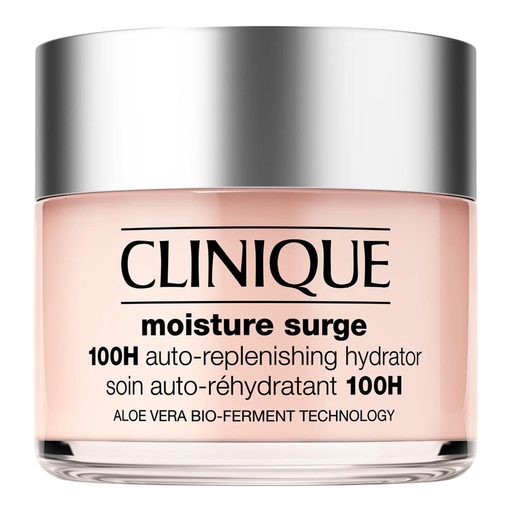
Why it suits this profile: This oil-free gel cream is designed for anyone looking for a lightweight texture and a larger size. According to Clinique’s own research, the formula keeps skin hydrated for up to 100 hours. This is a brand claim, not a universal measurement standard.
The texture and size are clearly stated, so you don’t have to rely on the hydration claim alone. At 125 ml, it’s easy to compare the price per millilitre.
125 ml; gel cream; oil-free formula according to the product information; intended for dry, combination and sensitive skin.

Why it suits this profile: This cream may suit anyone specifically looking for a skin barrier cream with ceramides, panthenol, glycerine, squalane and hyaluronic acid in the ingredients list.
The formula offers more than a hyaluronic acid claim alone. The product information lists three ceramides and says to use it as the final step, but if you have sensitive skin, always check the current packaging.
100 ml; ceramide NP, AP and EOP listed; contains panthenol, allantoin, squalane and sodium hyaluronate.
We’ve put together a comprehensive, up-to-date list of products that meet these strict selection criteria and current European safety requirements.
Start by cleansing your face with a gentle cleanser. Then apply toner or serum if you wish. Smooth a small amount of moisturiser over your face and neck, and massage it in gently. Use a separate sunscreen during the day. Always follow the instructions on the packaging.
Look for a face cream for dry skin with humectants such as glycerine or hyaluronic acid, and nourishing ingredients such as ceramides, panthenol, cholesterol or oils. A richer texture may feel more comfortable than a watery gel, especially if your skin feels tight.
It depends on the size and how much you use each time. A 100 ml pack will generally last longer than a 30 ml pack if you use the same amount each day. Also check the period after opening, and store the cream as directed on the packaging, away from heat and direct sunlight.
