
Vandaag of morgen in huis

Kwaliteit gegarandeerd

Welkomstaanbiedingen ontgrendelen: GRATIS bezorging | Tot 80% korting | Gratis 30 dagen JoyPlus-proefperiode
Download de app
A hydrating face cream may seem simple to choose, until you come across dozens of options: a face cream with hyaluronic acid, a gel cream for the face, a night cream or a cream for the skin barrier. The packaging often promises softer, plumper or more even-looking skin, but not every formula suits every skin type or routine.
Most waste usually comes from three common pitfalls:
A moisturising face cream often contains several types of hydrating ingredients. Glycerine, hyaluronic acid and panthenol are primarily intended to help retain moisture or make the skin feel comfortable, according to the product description. Look out for the different names used for hyaluronic acid, such as sodium hyaluronate, hydrolyzed hyaluronic acid and sodium hyaluronate crosspolymer.
Richer ingredients are also relevant for dry skin, such as shea butter, squalane, oils or fatty alcohols. If you prefer a lightweight texture, look for a gel cream containing glycerine, betaine or hyaluronic acid. A face cream with hyaluronic acid is therefore not automatically lightweight or rich; the full ingredients list determines the texture.
A day cream with SPF can be convenient, but the SPF level should match your exposure to the sun. SPF 15 in a face cream does not mean that separate sun cream is unnecessary when spending a long time outdoors. Follow the instructions on the label and apply sun protection during the day whenever necessary.
Use a cream on clean skin and apply an appropriate amount rather than a very thick layer. A night cream is generally used as the final step in your evening routine. When using active ingredients such as retinol or certain pigmentation formulas, it is particularly important to read the instructions and warnings.
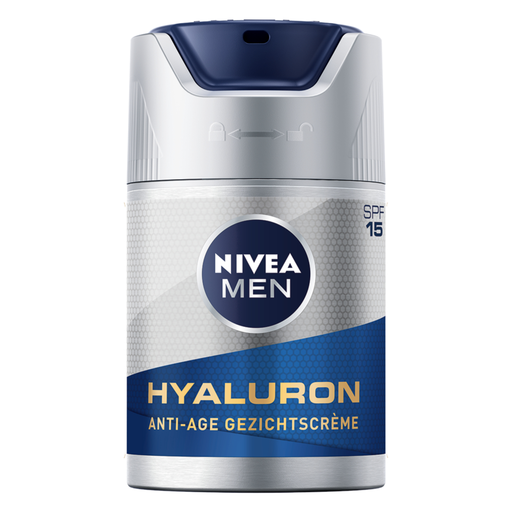
Why it suits this profile: A simple daily face cream for men with hyaluronic acid, a 50 ml size and SPF 15. The formula is intended for normal and mature skin.
The product information lists specific features: hyaluronic acid, daily use and SPF 15, rather than making only a general hydration claim.
50 ml, hyaluronic acid and SPF 15; suitable for a quick morning routine.

Why it suits this profile: This oil-free gel cream contains glycerine, sodium hyaluronate and an aloe formula, among other ingredients. Its texture is designed for users who want a lightweight cream to wear under make-up or SPF.
The product page describes the formula, texture and possible uses. This helps you decide whether a gel cream suits your preference for a non-greasy feel.
75 ml, oil-free gel cream and fragrance-free according to the product information.
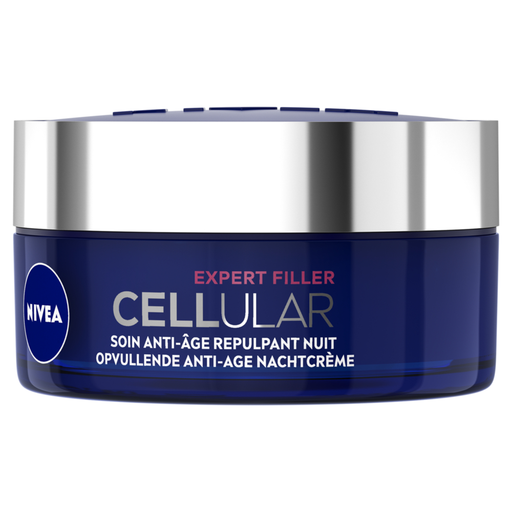
Why it suits this profile: According to the product information, this night cream combines hyaluronic acid, folic acid, glycerine and shea butter. That makes it suitable for anyone who prefers a richer texture in the evening.
The formula and recommended time of use are clearly described. However, check whether fragrance listed among the ingredients is suitable for your sensitive skin.
50 ml, hyaluronic acid and folic acid; intended for use on the face, neck and décolleté in the evening.
We have put together a complete, up-to-date list of products that fully meet these strict selection criteria and the applicable European safety regulations.
Usually, yes, provided the product information recommends daily use and the formula suits your skin type. Apply the cream after cleansing. Use additional sun protection during the day if you will be outdoors for a long time. Stop using it if irritation occurs and check the safety instructions on the packaging.
Check the expiry date, batch number and the open-jar symbol indicating the period after opening on the packaging. Store the jar or tube somewhere cool and dry, away from direct sunlight. Do not use a product if its smell, colour or texture has clearly changed. An open jar can also come into contact with air and fingers more quickly than a tube.
The price depends on the brand, size, packaging and formula. Compare the price per millilitre and consider which ingredients you genuinely need. A larger pack is not automatically better value if you do not like the cream or barely use it. Also look out for additional features, such as SPF, fragrance-free formulations or ingredients that support the skin barrier.
