
Vandaag of morgen in huis

Kwaliteit gegarandeerd

Welkomstaanbiedingen ontgrendelen: GRATIS bezorging | Tot 80% korting | Gratis 30 dagen JoyPlus-proefperiode
Download de app
Dry, tight or easily irritated skin doesn’t automatically need the richest cream on the shelf. A hydrating face cream should suit your skin type, routine and tolerance of certain ingredients. If you choose based only on words such as “intensive”, “natural” or “soothing”, you could easily end up with a product that’s too heavy, fragranced or unsuitable for your face.
These tips will help you look beyond marketing claims and choose a face cream that fits into your daily skincare routine.
Body cream can leave your skin feeling soft, but it isn’t always designed for your face. Facial skin may react more sensitively to fragrance, essential oils or a heavy texture. Always check the product type, recommended use and ingredients list.
For example, a product containing aloe vera or coconut isn’t automatically suitable for your face. According to the product information, Sence Bodycream Aloe Vera and Sence Bodycream Coconut are body creams. They shouldn’t be compared with hydrating skincare formulas designed for the face.
Natural ingredients can feel lovely on the skin, but they can also include fragrance or essential oils. According to its product description, Weleda Skin Food Light contains lavender, orange and benzoin resin, among other ingredients, and has a distinctive scent. That may suit someone who enjoys fragranced products, but it may be less suitable if you’re specifically looking for a face cream for sensitive skin without fragrance.
If you have sensitive skin, don’t just look at the front of the packaging. Check the INCI list for fragrance, limonene, linalool or essential oils too.
A light gel cream can feel comfortable on combination or oily skin, but may not provide enough of a protective layer for dry skin. Hydration and reducing moisture loss aren’t quite the same thing. Glycerin, hyaluronic acid and betaine help attract moisture, while oils, butters, silicones and lipids can provide a more protective feel.
If you have dry skin, a richer cream or an extra layer in the evening may work better. If your skin is oily, a gel texture may be more practical under sun cream or make-up.
Use this simple guide:
A hydrating face cream often contains a combination of:
If you’re looking to restore your skin barrier, it’s worth considering the formula as a whole rather than focusing on one standout ingredient. A cream supports your skincare routine; if redness, swelling or irritation persists, stop using the product and consider speaking to a dermatologist.
Apply cream to cleansed skin, starting with a small amount. You can apply a serum or ampoule before your cream, but introducing several new products at once makes it harder to identify the cause of a reaction.
Also check:
Stop using the product if you experience redness, itching, swelling or a burning sensation. “Dermatologically tested” describes a test carried out according to the product information, but it doesn’t predict how every individual’s skin will react.
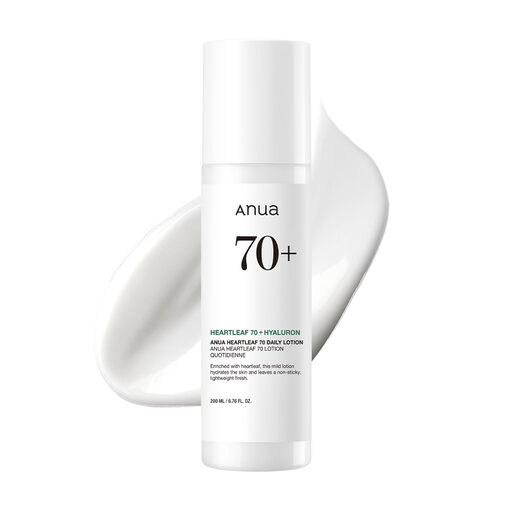
Why it suits this profile: This lotion comes in a 200 ml size and, according to the product information, is designed for daily use in the morning and evening. Its lotion texture can make it a practical first hydrating step.
It’s described as a face product, unlike body creams. The product information also states that it contains no artificial colourants or fragrances.
Houttuynia Cordata extract is listed at 70%; the formula also contains glycerin and several forms of hyaluronic acid.
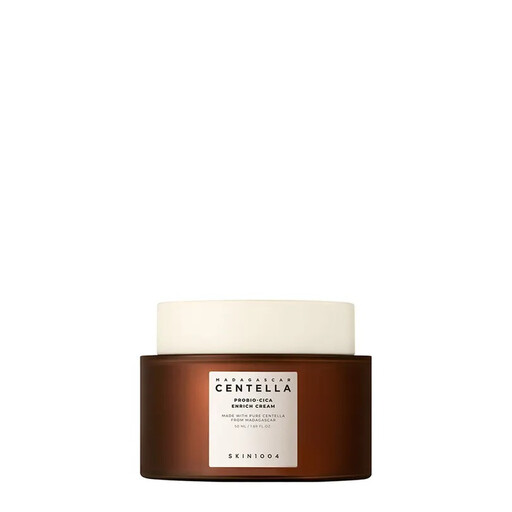
Why it suits this profile: This richer face cream is designed for dry or dehydrated skin. It’s particularly suited to an evening routine or skin that needs extra comfort.
The ingredients list shows that the formula contains more than just a popular extract, including shea butter, squalane, ceramide NP and sodium hyaluronate.
Contains Centella Asiatica, ceramide NP, glycerin and a range of soothing and nourishing ingredients; available in 50 ml.
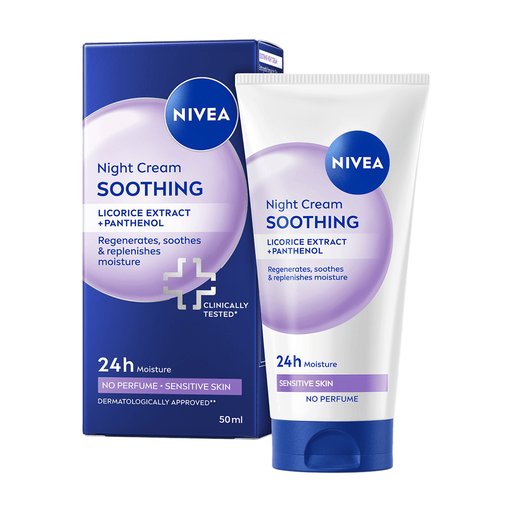
Why it suits this profile: If you’re specifically looking for a night cream for sensitive skin, this compact formula is designed for use as part of your evening routine.
According to the product description, the formula is fragrance-free and pH-neutral. Even so, always check the packaging when you buy it.
50 ml; the ingredients list includes glycerin, shea butter, panthenol and liquorice extract.
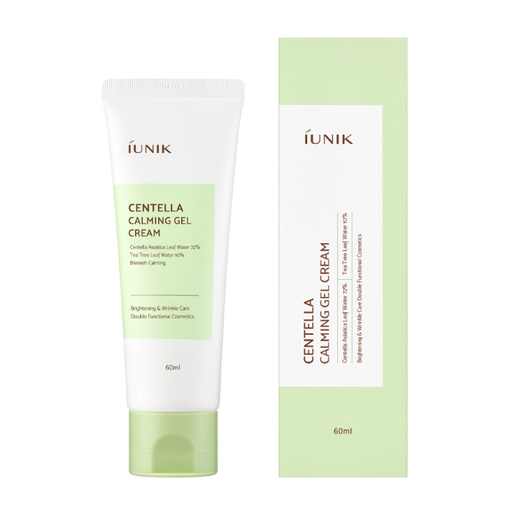
Why it suits this profile: According to the product description, this gel cream is designed to provide lightweight, non-sticky care for oily, combination, sensitive or acne-prone skin.
The texture is clearly described as a gel cream, so you can tell in advance that it’s less rich than a night cream.
Contains Centella Asiatica, glycerin and niacinamide; according to the product description, it’s free from synthetic fragrance, sulphates and parabens.
We’ve put together a complete, up-to-date list of products that meet these strict selection criteria and current European safety regulations.
It depends on the product instructions and your skin. Many creams are suitable for morning and evening use. After your skincare routine, apply sun cream during the day if it fits into your routine. A small amount is usually enough; using more won’t automatically make a formula more effective.
A gel cream can add moisture, but it usually feels lighter than a rich cream. If you have dry skin, you could try using a gel cream under a richer cream, especially in the evening. If your skin feels tight afterwards, a formula containing ingredients such as shea butter, ceramides or squalane may suit you better.
You can, but check the ingredients list first and test the product on a small area of skin. If you’re sensitive to fragrance, choose a fragrance-free formula where possible. Stop using it if irritation occurs, and speak to a healthcare professional if your symptoms persist.
