
Vandaag of morgen in huis

Kwaliteit gegarandeerd

Welkomstaanbiedingen ontgrendelen: GRATIS bezorging | Tot 80% korting | Gratis 30 dagen JoyPlus-proefperiode
Download de app
A hydrating face cream may seem easy to choose, but the range varies considerably. One formula can feel dry again after just a few minutes, while another may be too heavy for combination or oily skin. Terms such as “100-hour hydration”, “barrier repair” and “hyaluronic acid” only mean something when you know exactly what is in the jar or tube.
With this practical approach, you can compare a moisturising face cream based on skin type, texture, ingredients and when you plan to use it. That way, you can avoid paying mainly for marketing language.
Brands often use figures relating to hydration duration, skin improvement or a plumper-looking complexion. This information is not automatically independently verified. According to Clinique’s own product description, Moisture Surge provides up to 100 hours of hydration. That is a brand claim; you cannot simply assume that every user will experience the same result.
As well as claims, look for information you can verify:
A hyaluronic acid cream can help retain water on the skin’s surface, but a pleasant daily cream usually contains more than one humectant. Glycerine, betaine and panthenol may also be included in the formula. Oils, squalane, shea butter and silicones are more likely to contribute to comfort and help limit moisture loss.
For dry skin, a combination of humectants and emollient ingredients is often more logical than using an ultra-light gel on its own. If you have oily skin, an oil-free gel cream may be a better choice.
A product description may say that a cream is suitable for all skin types, but individual tolerance varies. A cream for sensitive skin is not necessarily fragrance-free. Check the INCI list for terms such as parfum, fragrance and fragrance allergens.
Always apply a new product to a small area of skin first. Stop using it if irritation persists, and always follow the instructions on the packaging.
The texture determines how the cream fits into your routine:
Oily skin does not automatically mean that it does not need moisture. Instead, choose a lightweight, non-comedogenic formula and use a small amount. For dry skin, a cream containing ceramides, oils or shea butter may feel more comfortable.
Look for a combination of different ingredient groups:
The term repair the skin barrier sounds appealing, but do not present it as a guaranteed effect. According to the product descriptions of various brands, including medicube and, ceramides and panthenol are intended to support the moisture barrier. The effect depends on your skin, routine and frequency of use.
Compare the amount before comparing prices. A 100 ml jar may be cheaper per millilitre than a luxury 30 ml pack, but only if the texture and usage suit you.
Also check:
During the day, use a sun protection product if it fits into your routine. A hydrating cream is not a substitute for sun protection.

Why it suits this profile: The compact size is handy if you want to try a gel cream without immediately buying a larger pack.
The product information states that it has a gel texture, a fragrance-free formula and is suitable for dry, combination and oily skin. Check the packaging when it arrives.
30 ml; gel cream; according to the product description, alcohol-free, oil-free, non-comedogenic and fragrance-free.
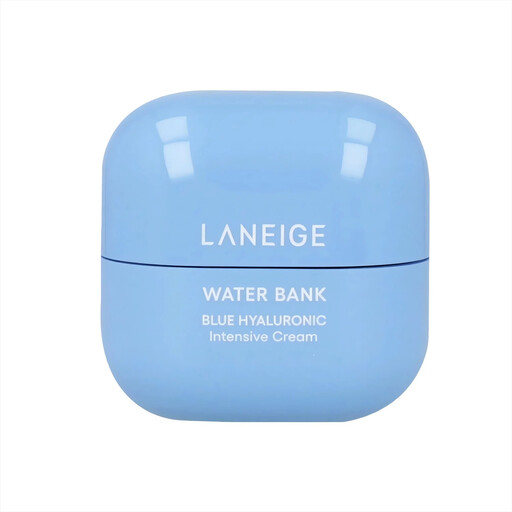
Why it suits this profile: An everyday cream for anyone looking for richer care that still feels light, according to the product description.
The description mentions both intensive hydration and fast absorption. This helps you decide between a night cream and a product for daytime use.
50 ml; hyaluronic acid in the product name; according to the description, suitable for daily use and all skin types.
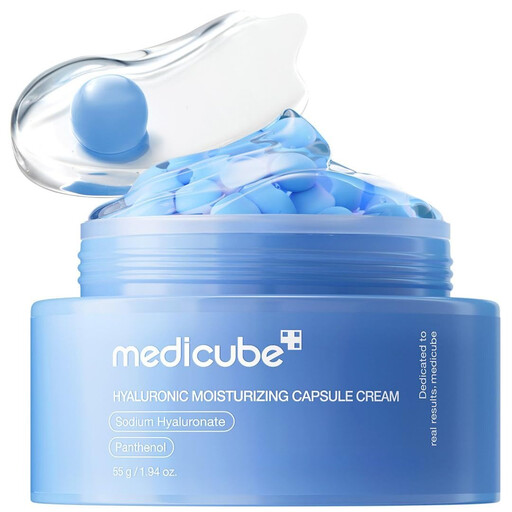
Why it suits this profile: The combination of a gel base and capsules suits users looking for a lightweight first impression with added comfort.
The ingredients list is available and includes glycerine, panthenol, squalane, ceramide NP and sodium hyaluronate, among others.
55 ml; dual texture; according to the product description, intended for daily use in the morning and evening.
We have put together a complete, up-to-date list of products that fully meet these strict selection criteria and the applicable European safety regulations.
Choose a face cream for dry skin containing both humectants and emollient ingredients. Glycerine, hyaluronic acid, panthenol, ceramides, shea butter and oils are often used for this purpose. A richer cream can feel particularly pleasant in the evening. If you have sensitive skin, also check whether perfume is included in the ingredients list.
Yes, a cream for oily skin can be a lightweight gel cream. Look for an oil-free or non-comedogenic formula if that is important to you. For example, according to the product description, Beauty of Joseon Red Bean Hydrating Gel Cream is designed to provide lightweight hydration for skin with higher sebum production. Start with a small amount and see how your skin feels after a few hours.
Check the expiry information and the period-after-opening symbol on the packaging. Store the cream in a cool, dry place away from direct sunlight. Use clean hands or a spatula and close the packaging immediately. If the smell, colour or texture changes noticeably, stop using the product.
