
Vandaag of morgen in huis

Kwaliteit gegarandeerd

Welkomstaanbiedingen ontgrendelen: GRATIS bezorging | Tot 80% korting | Gratis 30 dagen JoyPlus-proefperiode
Download de app
A tight feeling after cleansing, flaky patches around the nose or a dull complexion: a hydrating face cream can help your skin feel more comfortable. However, a high price, a well-known brand name or a claim such as “72-hour hydration” does not guarantee that a product will suit your skin.
Pay particular attention to three common pitfalls:
A face cream for dry skin often contains humectants such as glycerine, panthenol, betaine or hyaluronic acid. These help your skin feel more hydrated. Oils, fatty acids, dimethicone and other emollient ingredients can then help create a more comfortable, less tight feeling.
Ceramides are a commonly used ingredient in a skin barrier cream. Their presence alone does not indicate how your skin will react, but they can be a useful factor to consider if you want to care for dehydrated skin while opting for a richer texture.
A lightweight formula can feel comfortable under make-up or sun protection. A richer cream may be more soothing when your skin feels rough or tight.
Check the volume in millilitres, recommended use and shelf life after opening. A product used twice a day will run out more quickly than a cream for occasional use. Also check whether the formula contains fragrance, alcohol, essential oils, retinol, acids or other ingredients if you are looking for a face cream for sensitive skin.
The packaging and product page contain the official ingredients list and safety information. Stop using the product if irritation, redness, swelling or a burning sensation occurs. If symptoms persist, seek advice from a doctor or pharmacist.
The selection below is based on verifiable product information, such as texture, volume, ingredients and usage advice. Claims about performance are presented as information from the product description or brand, not as a guaranteed result.
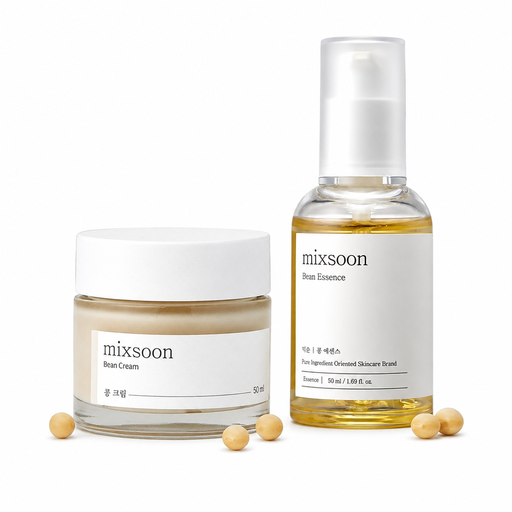
Why it suits this profile: The set combines a lightweight Bean Essence with a Bean Cream. This makes the order of application straightforward for anyone looking to build a simple Korean skincare routine.
You are not buying just a standalone serum: the set also includes a cream for the final step. The product description recommends using it after cleansing and finishing with the Bean Cream.
Two steps, a lightweight essence and nourishing cream according to the product information; intended for daily use in the morning and evening.
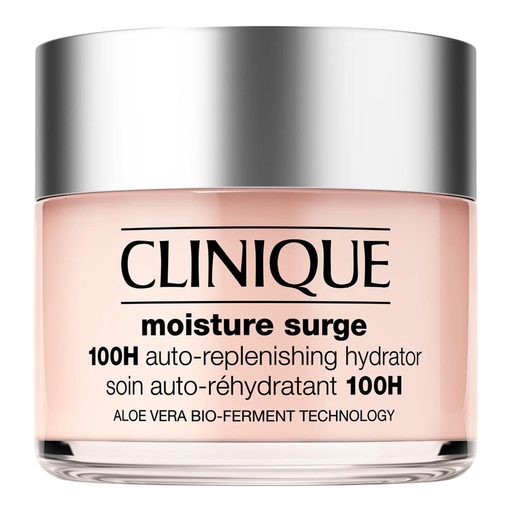
Why it suits this profile: According to the product information, this oil-free gel cream comes in a 125 ml size, is suitable for dry, combination and sensitive skin, and can be used in the morning and evening.
The gel cream has a clearly defined texture and is not positioned solely as a serum. However, check that the ingredients list is suitable for your skin.
An oil-free gel cream with a volume of 125 ml, suitable for use as a daily moisturiser or mask according to the product information.
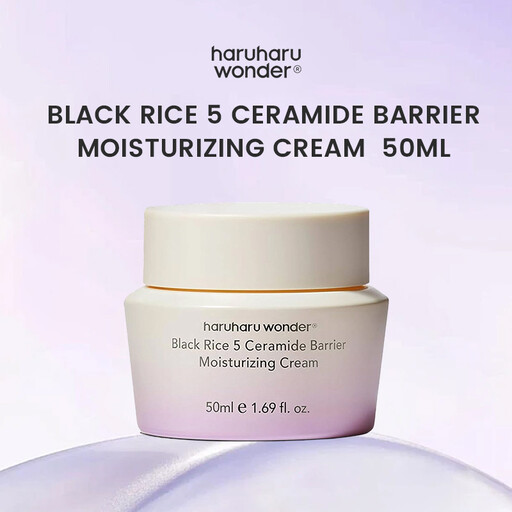
Why it suits this profile: This cream is designed for daily barrier care and, according to the product information, contains a ceramide complex, glycerine, allantoin and vitamin E.
The formula lists ceramides and is designed for non-greasy daily use. This provides more useful guidance than a general claim about hydration alone.
50 ml, ceramide complex and use after cleansing and toning according to the product description; suitable for a Korean skincare routine.
We have put together a complete, up-to-date list of products that fully meet these strict selection criteria and the applicable European safety regulations.
No. A cream may be sufficient on its own. A serum or essence is particularly useful if you prefer an additional lightweight layer or want to use a complete serum and cream set. For many routines, the cream remains the final step.
This depends on the product and how your skin feels. Many formulas are intended for morning and evening use, but always check the label. With dry skin, twice-daily use may feel comfortable; with combination skin, once a day may be enough.
Check the expiry date and the symbol indicating the period after opening, such as 12M or 24M. Store the cream according to the instructions, close the packaging securely and look out for changes in smell, colour or texture. Do not continue using a product if it has clearly changed.
