
Vandaag of morgen in huis

Kwaliteit gegarandeerd

Welkomstaanbiedingen ontgrendelen: GRATIS bezorging | Tot 80% korting | Gratis 30 dagen JoyPlus-proefperiode
Download de app
A hydrating face cream may seem like a straightforward purchase, but products vary considerably in texture, ingredients and use. A rich cream can feel comfortable on dry skin, but may feel heavy on oily skin. A lightweight gel is often better under make-up, but may provide less comfort when your skin feels tight.
If you rely solely on words such as “intensive”, “glow” or “repair”, you also risk buying a product that is not suited to your skin. Use the following checkpoints to compare a moisturiser for the face in a practical way.
Terms such as “deep hydration”, “radiant skin” and “restores the skin barrier” sound appealing, but mean little on their own. Instead, look at the full ingredients list and the product format. Glycerine, betaine, panthenol, hyaluronic acid and squalane are examples of ingredients often found in hydrating formulas. However, their presence does not automatically tell you how your skin will react.
Claims about performance should be attributed to the brand. According to the brand’s product description, the Hydrium cream is intended for dry and sensitive skin, and the formula contains glycerine, panthenol and ceramide NP, among other ingredients. This is product information, not a guarantee for every skin type.
A body lotion may contain moisturising ingredients, but it is not automatically designed for facial skin. According to the product information, Vaseline Intensive Care Essential Healing 400 ml is a body lotion for dry skin. The formula contains glycerine, petrolatum, dimethicone and fragrance, among other ingredients. On the face, this may feel too rich or fragranced for some users.
The same applies to a universal cream. According to the product information, NIVEA Moisturizing Cream Blue Tin 400 ml is suitable for the face and body, but contains perfume and listed fragrance allergens such as limonene and geraniol. If you have sensitive skin, it is sensible to check the ingredients and usage warnings first.
A hyaluronic acid cream or niacinamide cream is not defined solely by one active ingredient. Emollients, oils, silicones, emulsifiers and preservatives also affect the texture. A formula containing several ceramides may feel richer than a simple gel cream.
If you have sensitive skin, a patch test is a sensible precaution. Apply a small amount to a limited area of skin and follow the warnings on the packaging. Stop using the product if redness, itching or irritation occurs, and seek advice from a healthcare professional if symptoms persist.
Match the consistency to your skin and routine:
For intensive hydration of the face, humectants, emollients and occlusive ingredients are often combined. Humectants such as glycerine and hyaluronic acid help retain moisture at the skin’s surface. Emollients such as fatty acids, oils and squalane leave the skin feeling smooth and supple. Ceramides, cholesterol and fatty acids are often used in formulas that, according to the product description, are designed to support the skin barrier.
A ceramide cream may therefore be worth considering if your skin feels dry or tight. The ingredients list for The Ceramide Skin Barrier Moisturizer includes ceramide NP, NS, AP, AS and EOP, cholesterol, phytosphingosine and various forms of hyaluronic acid. The product listing also mentions hypoallergenic and non-comedogenic testing; this remains a claim made by the brand.
Do not compare the price alone; consider the quantity too. A 100 ml jar may appear better value than a 30 ml tube, while the texture and recommended use may differ. Also check:
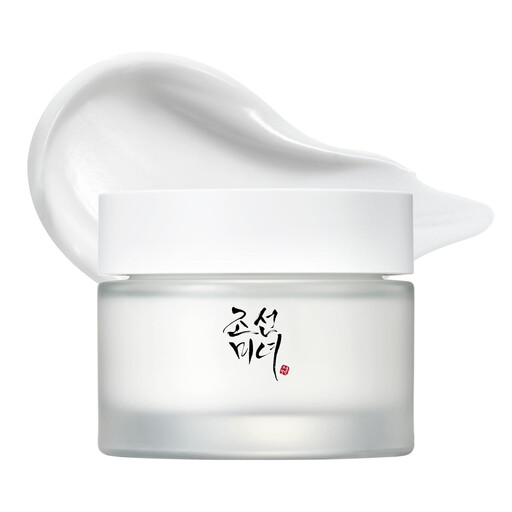
Why it suits this profile: An accessible Korean face cream for anyone looking for a daily cream with a creamy texture and compact size.
The product list makes the formulation easy to check: it includes glycerine, niacinamide, sodium hyaluronate, panthenol and allantoin, among other ingredients. Always check the current packaging, however.
50 ml size; contains glycerine, niacinamide and sodium hyaluronate; suitable for daily use according to the product information.

Why it suits this profile: Suits users specifically looking for a ceramide cream with several barrier-supporting ingredients.
The formula is not based solely on hyaluronic acid; it also lists ceramides, cholesterol, panthenol and squalane. This lets you compare products more broadly than by looking at a single marketing term.
80 ml size; several ceramides; hyaluronic acid in various forms; a patch test is recommended before first use.
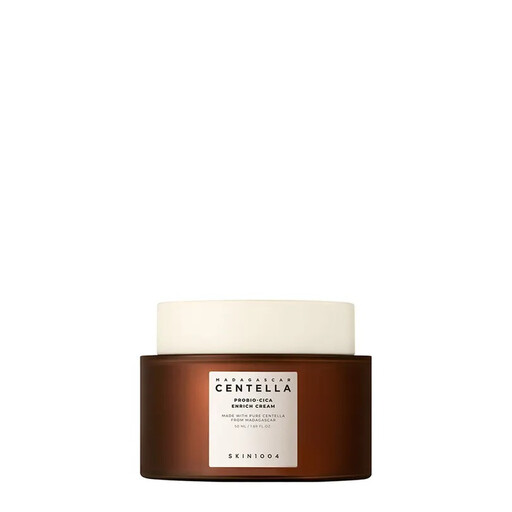
Why it suits this profile: An option for anyone looking for a richer formula containing centella, shea butter, squalane and ceramide NP.
The formulation shows that this is not a simple gel: in addition to glycerine and niacinamide, it lists centella extract, shea butter, squalane, sodium hyaluronate and ceramide NP, among other ingredients.
50 ml size; ceramide NP and sodium hyaluronate; suitable for use on the face and neck according to the product instructions.
We have put together a complete, up-to-date list of products that fully meet these strict selection criteria and the applicable European safety regulations.
Apply the cream after cleansing and, if desired, after toner or serum. Use a small amount on your face and neck, and gently massage it in. During the day, apply sun cream as the final step. When trying a new formula, start with a small amount and monitor your skin’s reaction.
The shelf life is stated on the packaging. Check the expiry date, the period after opening and the batch number. Store the cream according to the instructions, usually tightly closed, in a dry place and away from direct sunlight. If the smell, colour or texture changes noticeably, stop using the product.
Start by checking the ingredients and warnings. A cream for sensitive skin without perfume or essential oils may be a logical choice, but individual reactions vary. For example, recommends a patch test before first use, while Medicube explicitly states that its formula contains perfume. Always check the current product packaging before buying.
