
Vandaag of morgen in huis

Kwaliteit gegarandeerd

Welkomstaanbiedingen ontgrendelen: GRATIS bezorging | Tot 80% korting | Gratis 30 dagen JoyPlus-proefperiode
Download de app
A hydrating face cream may seem like a straightforward product, but the choice varies widely in texture, ingredients and use. A cream that feels comfortable on dry skin may feel heavy on oily or sensitive skin. Terms such as “intensive hydration”, “barrier repair” and “Korean skincare” only really mean something when you also consider the ingredients list and instructions for use.
A product containing hyaluronic acid, for example, may help retain moisture on the skin’s surface, but the presence of one ingredient alone does not determine how a cream feels. Also look for glycerine, oils, butters, silicones and lipids in the formula. A hydrating cream with hyaluronic acid can feel lightweight, while a cream containing shea butter or squalane may feel richer.
Claims about improving the skin, reducing redness or boosting elasticity come from the brand. A brand’s own research may report certain results, but such claims are not a guarantee for every user. Therefore, focus primarily on the formulation and intended use.
A body lotion is not automatically suitable for the face. Some formulas contain fragrance, fragrance allergens or a richer texture. Sence Bodycream Coconut, for example, is a body product with a coconut fragrance. Vaseline Intensive Care Essential Healing is also intended as a body lotion and, according to the ingredients list, contains fragrance and various perfuming ingredients. For a face that reacts easily, a targeted fragrance-free face cream is usually a more sensible starting point.
“For dry skin” or “for oily skin” is useful information, but it is not enough. Dry, mature skin will often benefit more from a creamy formula with soothing ingredients. Oily or combination skin may prefer a gel cream for the face or a lightweight lotion. Also consider how the cream feels under sun cream or make-up.
Check whether the ingredients list contains substances that attract moisture or help the skin feel comfortable:
A formula containing several humectants is not automatically suitable for everyone. The overall texture, fragrance and other ingredients remain important.
If you are looking for a cream for sensitive skin, you can start with a fragrance-free formula and a short, straightforward routine. Always check the label, as “mild” or “natural” does not mean that a product is free from ingredients you may react to. If you have sensitive skin, carry out a small patch test first, following the product information.
Stop using the product if irritation, redness, swelling or itching persists. Use face cream only as directed on the packaging and avoid contact with the eyes.
Do not compare only the price of a jar or tube. Look at the net contents, recommended amount and shelf-life information on the packaging. A 100 ml jar may appear good value, but you may use a rich cream more sparingly than a thin lotion. Store the cream in a cool, dry place away from direct sunlight, and close the packaging securely after use.
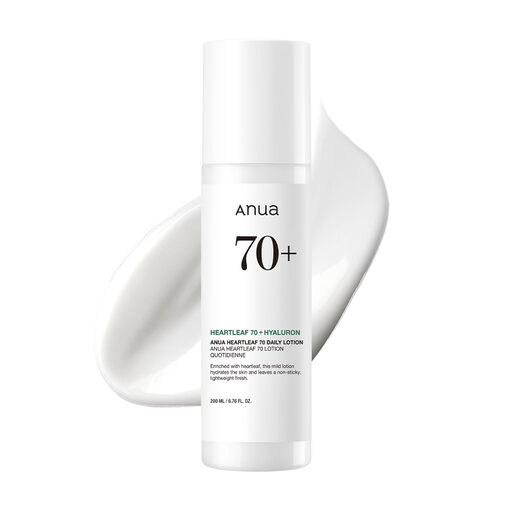
Why it suits this profile: This lotion contains 200 ml and is intended for daily use in the morning and evening. The product information states that it has a fragrance-free formula and a lightweight lotion texture.
The ingredients list includes glycerine, betaine and several forms of hyaluronic acid. This means you do not have to rely on a single marketing claim.
200 ml; according to the product information, fragrance-free and non-comedogenic.
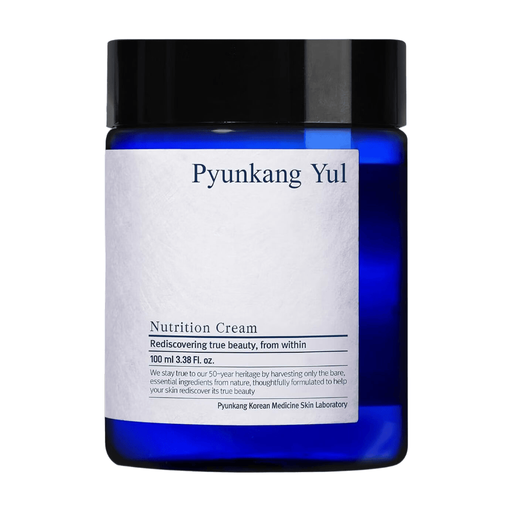
Why it suits this profile: This richer cream is designed for dry, mature or demanding skin and can be used as the final step in your morning and evening routine.
The product description specifies a nourishing formula with astragalus root extract, shea butter and jojoba oil, rather than promising only a lightweight gel texture.
100 ml; according to the product information, fragrance-free and without any specified irritants.

Why it suits this profile: According to the product information, this lightweight gel cream is intended for oily skin and has a non-sticky texture for everyday use.
The watery gel texture helps avoid a heavy feel. The brand description mentions red bean extract and a peptide complex; assess their effect for yourself and base your choice on the complete formula.
100 ml; face gel cream with a lightweight texture and product information stating that it is suitable for oily skin.
We have put together a complete, up-to-date list of products that fully meet these strict selection criteria and the applicable European safety regulations.
If you have sensitive skin, introduce one new product at a time. This makes it easier to identify which formula feels comfortable. A soothing face cream may suit a routine with few steps, but it is not a substitute for professional advice if skin problems persist.
Look for a lightweight lotion, emulsion or face gel cream with a non-sticky finish. According to the product information, Beauty of Joseon Red Bean Hydrating Gel Cream is designed for oily skin. Also check that the rest of your routine does not already contain lots of rich products.
It can be, but hyaluronic acid alone does not tell you enough. Consider it alongside other humectants and soothing ingredients, such as glycerine, panthenol, oils or ceramides. For dry skin, a richer cream may feel more comfortable than a watery gel.
Follow the expiry date, batch information and any period-after-opening guidance on the packaging. Store the product away from direct sunlight, close the jar or tube securely and stop using it if its smell, colour or texture changes. Always check the current packaging, as shelf-life information may vary from one product to another.
