
Vandaag of morgen in huis

Kwaliteit gegarandeerd

Welkomstaanbiedingen ontgrendelen: GRATIS bezorging | Tot 80% korting | Gratis 30 dagen JoyPlus-proefperiode
Download de app
A hydrating face cream may seem like a simple product, but the range varies considerably in texture, ingredients, SPF and intended use. For example, a day cream for dry skin requires a different formulation from a lightweight gel cream for oily or blemish-prone skin. A moisturising face cream with sun protection is also not automatically suitable as your only protection during prolonged sun exposure.
Pay particular attention to these common pitfalls:
If you use the cream during the day, look at the SPF rating and the stated protection. The range includes formulas with SPF 15, SPF 25 and SPF 30. A higher rating does not mean you can stay in the sun indefinitely. Always follow the instructions on the packaging and limit intense sun exposure.
A product with SPF is suitable for users who want to keep their morning routine simple. The Clinique Moisture Surge SPF 25 Sheer Hydrator states that it protects against UVA and UVB rays. According to the product description, the NIVEA Soothing Day Cream is fragrance-free, pH-neutral and has SPF 15.
Check the ingredients list rather than relying solely on the front of the packaging. If you are looking for a fragrance-free face cream, for example, look for “fragrance-free” or “parfumvrij”. Also check whether a formula contains alcohol, fragrances or essential oils if your skin is sensitive to them.
Hydrating ingredients include glycerine, panthenol, hyaluronic acid, squalane and certain plant extracts. The presence of an ingredient is not a guarantee of a specific result for your skin. According to SKIN1004’s product description, the Tone Brightening Capsule Cream contains, among other ingredients, Centella Asiatica extract, niacinamide, tranexamic acid, panthenol and sodium hyaluronate.
Claims about reducing dark spots or visible signs of skin ageing come from the brand. Treat them as the manufacturer’s product information and consider whether they match your expectations.
A gel cream generally feels lightweight on the skin and can be pleasant for combination or oily skin. A richer cream for dry skin often contains more emollient or occlusive ingredients and feels more substantial. This is not a hard-and-fast rule: how a product feels and how well it is tolerated vary from person to person.
Also consider the amount of product. Many face creams contain 40, 50, 65 or 75 ml. A larger pack is not automatically better value if you do not like the texture or only use the product occasionally. A pump bottle or tube also reduces the number of times you put your fingers into the product; a jar can be convenient, but requires hygienic use.
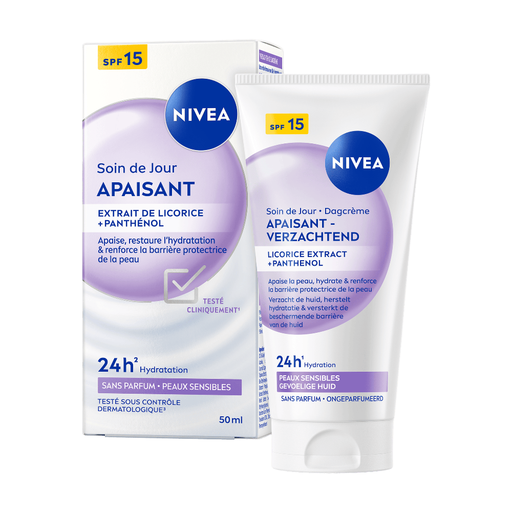
Why it suits this profile: A practical day cream for anyone looking to combine hydration, a simple morning routine and a fragrance-free formula.
The product information states that it has SPF 15, a fragrance-free formulation and is suitable for sensitive, dry and combination skin. However, always check the label when your order arrives.
50 ml, SPF 15, fragrance-free and pH-neutral according to the product description.
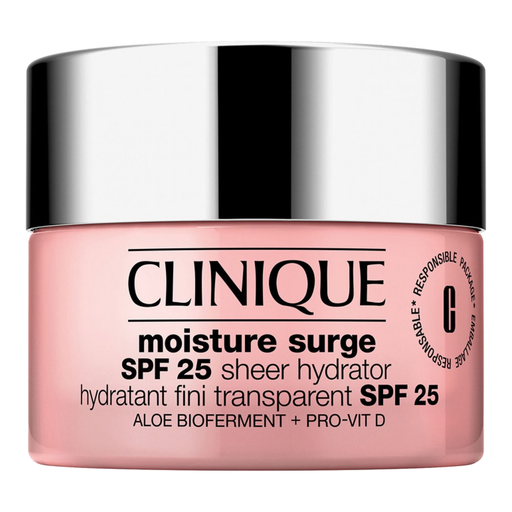
Why it suits this profile: Suitable for anyone looking for a lightweight face cream with SPF and no added fragrance for everyday use.
The product description mentions a transparent finish, a 100% fragrance-free formula and quick absorption. This means the cream does not rely on a tinted finish.
50 ml, SPF 25, fragrance-free and suitable for all skin types according to the product details.
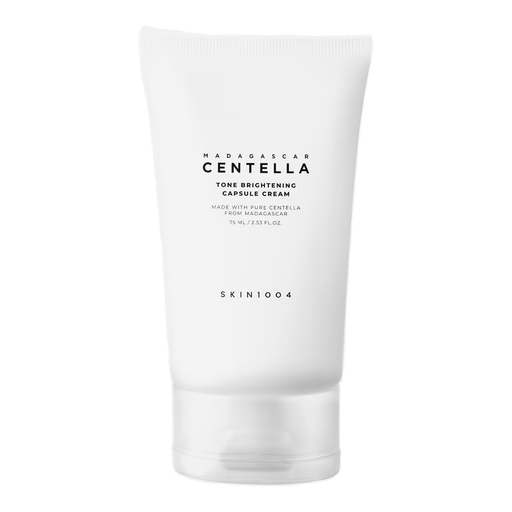
Why it suits this profile: Suitable for users who want a lightweight texture and care for an uneven complexion alongside hydration.
The formula is listed as fragrance-free and alcohol-free. This makes the ingredients list easy to check, although a patch test is still advisable for sensitive skin.
75 ml, gel cream texture and ingredients such as Centella Asiatica, niacinamide and tranexamic acid according to the product information.
We have compiled a complete, up-to-date list of products that fully meet these strict selection criteria and the applicable European safety regulations.
You will usually apply the cream after cleansing, and after a serum if required. During the day, use a day cream or moisturising face cream with a suitable SPF. Follow the product’s directions for use and stop if irritation occurs.
Check the expiry date and the period after opening on the packaging. Keep the cream closed, in a cool place and out of direct sunlight. A change in smell, colour or texture may be a reason to stop using the product.
Not always. A cream for dark spots may contain additional ingredients, such as niacinamide, vitamin C derivatives or tranexamic acid. According to a brand’s own research or claims, a formula may help reduce visible discolouration, but results are not the same for everyone. Daily sun protection remains important if you want to achieve a more even complexion.
