
Vandaag of morgen in huis

Kwaliteit gegarandeerd

Welkomstaanbiedingen ontgrendelen: GRATIS bezorging | Tot 80% korting | Gratis 30 dagen JoyPlus-proefperiode
Download de app
A hydrating face cream may seem like a simple product, but the options vary widely in texture, ingredients and how they’re used. A light gel cream may feel comfortable on oily skin, while a richer formula may be better suited to dry skin. Sensitive skin also calls for careful checks of the ingredients.
However, the packaging doesn’t always tell the whole story. So, before buying a face moisturiser, look out for these common pitfalls.
Phrases such as “deep hydration”, “repair” and “youthful-looking skin” sound appealing, but they don’t tell you much without an ingredients list and clear usage information. A brand’s own research may suggest that certain ingredients can contribute to a particular effect, but this isn’t a guarantee for every user.
So, check which ingredients are actually in the formula. Glycerin, hyaluronic acid, panthenol, beta-glucan and ceramides are commonly used in hydrating products. Their presence tells you more than a bold claim on the front of the pack.
A rich cream isn’t automatically right for dry skin, and a gel may not be enough if your skin feels tight. Oily or combination skin may find a heavy formula uncomfortable, especially during the day or under make-up.
If you’re looking for a cream for oily skin, consider a light gel cream, a non-greasy finish and ingredients such as glycerin or niacinamide. For dry skin, oils, shea butter and occlusive ingredients can help keep moisture in for longer.
“Hypoallergenic”, “fragrance-free” and “dermatologically tested” are product claims made by a brand. They’re no substitute for checking the ingredients list yourself. A face cream for sensitive skin may still contain an ingredient you react to.
Test a new product on a small area of skin first. Stop using it if you notice redness, itching, swelling or a burning sensation. If symptoms persist, consult a doctor or dermatologist.
Hyaluronic acid comes in different forms and molecular sizes. Product descriptions may therefore refer to several types of hyaluronic acid or low molecular weight hyaluronic acid. This doesn’t automatically mean a product works “deeper”; look at the rest of the formula too, and consider how you use the cream.
A hyaluronic acid cream is generally comfortable to use when applied to slightly damp skin and followed by a suitable moisturiser. Glycerin and betaine are other humectant ingredients commonly found in face creams.
A barrier-repair cream often contains ceramides, fatty acids, cholesterol, panthenol, squalane or plant oils. These ingredients may suit dry or tight-feeling skin, but the precise effect varies from one formula and user to another.
Also consider the balance of humectants, emollients and occlusive ingredients. A product containing only humectants may feel less comfortable if your skin is very dry. A formula with lots of oils or waxes, on the other hand, may feel too rich for oily skin.
Check the size — for example, 30, 50, 80 or 100 ml — and consider whether you want to use the cream every day or just as part of your night-time skincare routine. A compact jar is handy at home, while a pump bottle or tube can be practical for hygienic use.
During the day, separate sun protection is still important. A hydrating face cream doesn’t automatically replace a product with SPF.
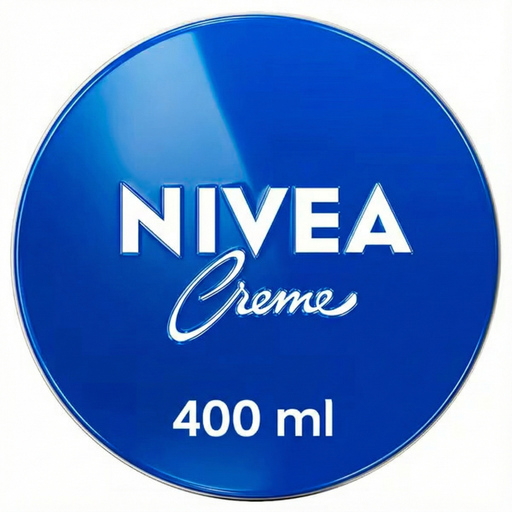
Why it suits this profile: The large pack is designed for the face, body and hands. It may be a practical choice if you’re looking for one cream for different uses.
The product information clearly states that the cream contains perfume, limonene, geraniol and other fragrance allergens. This lets you check whether the formula suits you before buying.
400 ml; contains glycerin, panthenol and mineral oils; described as suitable for the face and body.

Why it suits this profile: This Korean skincare cream combines a gel-cream texture with several forms of hyaluronic acid, making it an interesting option if you like comparing ingredients and textures.
The ingredients list names five types of hyaluronic acid and, according to the product information, contains no ethanol. Always check the current packaging, though.
100 ml; gel-cream texture; contains ceramide NP, panthenol, beta-glucan and argan oil, among other ingredients.
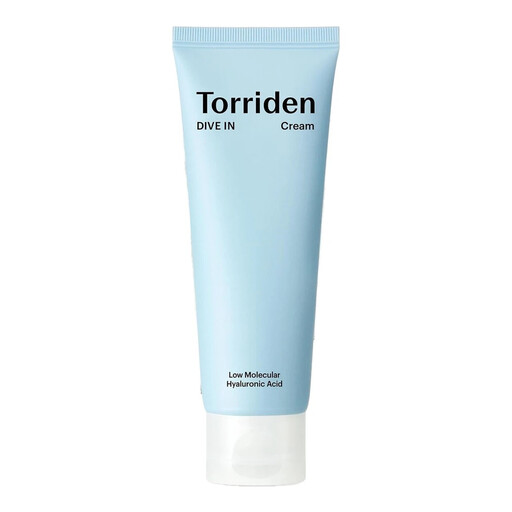
Why it suits this profile: This 80 ml cream is designed for daily hydration and can be used as the final step in your routine.
The product description highlights a light, fast-absorbing texture. It also provides the full ingredients list, including several forms of hyaluronic acid and ceramide NP.
80 ml; several forms of hyaluronic acid; contains glycerin, beta-glucan, jojoba oil and ceramide NP.
We’ve put together a complete, up-to-date list of products that meet these strict selection criteria and the applicable European safety regulations.
Look for a formula with glycerin, hyaluronic acid, panthenol, shea butter, ceramides or oils. A richer moisturiser for dry skin may feel especially comfortable in the evening. Don’t apply too much: a thin, even layer is usually enough.
A light gel cream with a non-greasy finish is a good place to start. Consider the texture, whether it contains oily ingredients and whether the product is described as non-comedogenic. Hydration still matters for oily skin; tight-feeling skin may produce extra sebum, although this varies from person to person.
Follow the expiry date and the period-after-opening guidance on the packaging. Store the cream in a cool, dry place away from direct sunlight, and make sure the jar or tube is properly closed. Has the smell, colour or texture changed? If so, stop using the product. Also check the current ingredients list and instructions for use whenever you try a new product.
