
Vandaag of morgen in huis

Kwaliteit gegarandeerd

Welkomstaanbiedingen ontgrendelen: GRATIS bezorging | Tot 80% korting | Gratis 30 dagen JoyPlus-proefperiode
Download de app
A hydrating face cream may seem like a simple product, but the options vary widely in texture, ingredients and use. A rich cream can feel comfortable on dry skin, but may feel too heavy on oily or combination skin. A lightweight gel cream absorbs quickly, but does not always provide enough comfort when your skin feels tight.
Marketing claims can also make comparisons more difficult. So pay particular attention to the ingredients list, intended use and information about skin type. This helps you avoid paying for features that do not suit your daily routine.
A product designed for the body is not automatically suitable for the face. For example, Clarins Body-Smoothing Moisture Milk is a 400 ml body milk intended for dry to normal skin on the body. That does not make it an obvious choice when you are specifically looking for a moisturising face cream.
Always check the stated area of application. If it says “face”, “face and neck” or clearly indicates facial use, the product is a better match for your search than one described exclusively for the body.
Statements such as “24-hour” or “100-hour hydration” are product claims. According to the brand’s own research, such results may have been established under certain conditions. They are not a guarantee for every user, as skin type, climate, cleansing and other skincare products can affect the result.
Alongside the claim, look for ingredients such as glycerine, hyaluronic acid, squalane, dimethicone and lipids. These substances are used in product formulas to bind moisture, soften the skin or help reduce moisture loss, but the end result varies from one person’s skin to another.
Niacinamide, tranexamic acid, vitamin C and plant extracts may appeal to anyone looking to address an uneven complexion or dull appearance. However, a formula containing multiple active ingredients is not always necessary for a simple everyday moisturiser. If you have sensitive skin, pay extra attention to fragrance, essential oils and long ingredients lists.
Test a new product on a small area of skin first. Stop using it if you experience persistent redness, itching, swelling or a burning sensation, and consult a doctor if you have concerns.
A moisturising cream can help attract and retain water. Glycerine and hyaluronic acid are well-known examples of moisture-binding ingredients. Emollient substances such as fatty alcohols, esters and oils make the skin feel more supple. Occlusive ingredients, including dimethicone and petrolatum, help limit moisture loss at the skin’s surface.
The right match therefore depends on more than just one popular ingredient. Review the complete formula and consider whether you would prefer a fresh gel, a lightweight lotion or a richer cream.
A 75 ml tube is convenient for everyday use and easy to take with you. A 125 ml or 100 ml container may offer better value if you also use the cream on your neck and dry areas. Always check the expiry date and the period after opening stated on the packaging. Use the cream as directed on the label, usually after cleansing and, if applicable, applying a serum.
Also look out for claims such as “fragrance-free”, “alcohol-free”, “vegan” or “non-comedogenic”. Use these properties as selection criteria, but do not regard them as a guarantee that a product will work perfectly for everyone.

Why it suits this profile: The gel texture and 100 ml size are a good fit for anyone looking for a simple Korean skincare cream for everyday use, particularly with oily or combination skin.
The product information describes a lightweight gel with no sticky feel and says it is aimed at oily skin. This helps you avoid immediately choosing a heavy cream.
100 ml; gel cream for the face and, according to the product information, suitable for oily skin.

Why it suits this profile: This cream is aimed at anyone who values ingredients that support the skin barrier and is looking for a richer formula for dry or sensitive skin.
The ingredients list includes several ceramides, cholesterol, phytosphingosine, panthenol and hyaluronic acid. This allows you to assess the formula rather than relying solely on marketing language.
80 ml; contains ceramides NP, NS, AP, AS and EOP, plus sodium hyaluronate.
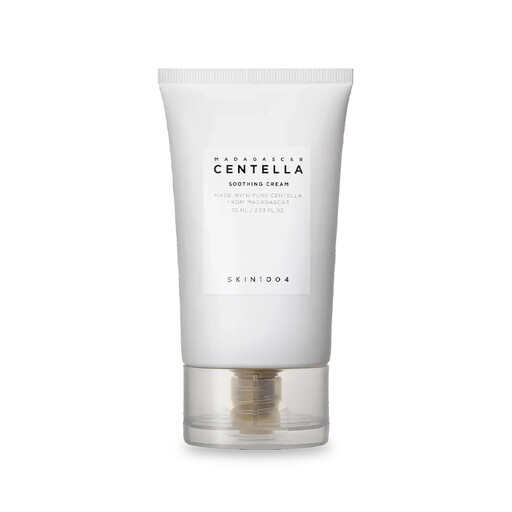
Why it suits this profile: The stated formula, which contains centella asiatica extract and ceramide, is a good match for anyone looking for a soothing face cream with a non-greasy texture.
The product name and description mention a refreshing, non-greasy texture. According to SKIN1004’s own information, the cream is intended to support the skin barrier; this is not a medical treatment.
75 ml; according to the product description, contains 72% centella asiatica extract and ceramide.
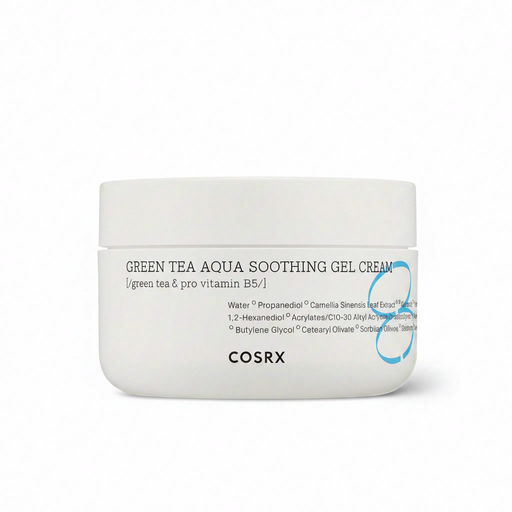
Why it suits this profile: This lightweight gel cream is ideal for anyone who wants fast-absorbing skincare without a heavy or greasy feel, for example in the morning.
The product description explicitly states that it has a lightweight, non-greasy gel texture. The ingredients and usage instructions are provided, allowing you to compare the formula.
50 g; according to the product information, contains green tea, hyaluronic acid and dimethicone.
We have put together a complete, up-to-date list of products that fully meet these strict selection criteria and the applicable European safety regulations.
A lightweight gel cream or oil-free lotion is often more practical than a rich cream. Check that the product is intended for the face and look for terms such as “oil-free”, “light gel” or “non-greasy”. Beauty of Joseon Red Bean Hydrating Gel Cream and Hydrium Green Tea Aqua Soothing Gel Cream are examples from the range with a gel texture.
Most face creams are applied once or twice a day after cleansing. Always follow the instructions on the label. During the day, apply a sun cream with suitable protection after your moisturiser; an ordinary face cream is not a substitute for sun cream.
Check the expiry date and the period-after-opening symbol, such as 12M or 24M. Keep the cream closed, dry and out of direct sunlight. Has the scent, colour or texture changed? If so, it is best to stop using the product, even if the stated period has not yet passed.
