
Livraison le jour même et le lendemain

Qualité garantie

Débloquez vos offres de bienvenue: Livraison GRATUITE | Jusqu'à -80 % | 30 jours d'essai gratuits à JoyPlus
Téléchargez l'application
Dry skin can feel tight, oily skin may look shiny after applying a moisturiser, and sensitive skin can sometimes react to fragrances or a long list of ingredients. Anyone searching for hydrating cream and lotion will also come across plenty of claims about long-lasting hydration, the skin barrier and intensive care. These terms do not always say enough about whether a product is suitable for your skin.
This guide helps you compare creams, lotions and gels based on verifiable product information. That way, you can avoid buying something that feels too heavy, too highly fragranced or simply impractical for everyday use.
Brands often mention 24, 48 or even 100 hours of hydration. These are product claims, not a guarantee that your skin will remain comfortable for the entire period. According to Clinique’s own research, Moisture Surge 100H provides up to 100 hours of hydration. Your actual experience will depend on factors such as your skin type, the climate, cleansing routine and how often you apply the product.
So it is also worth considering texture, frequency of use and ingredients. You are likely to use a product you enjoy applying more consistently than a heavy cream that sits on the skin.
A cream for sensitive skin is not automatically fragrance-free. Always check both the ingredients list and the product details. According to the listed product information, Clinique Moisture Surge 100H is fragrance-free, while some body lotions contain perfume or fragrance allergens. MUJI Sensitive Skin Body Lotion is described as free from fragrance, colourants, mineral oil, parabens and alcohol.
For reactive skin, a simple formula is often more practical. Test a new product on a small area of skin first and stop using it if irritation occurs. If redness, itching or flaking persists, it is advisable to seek advice from your GP or pharmacist.
A body lotion for dry skin may come in a large size and a practical pump bottle, but it is not always intended for use on the face. A face cream or gel-cream is generally formulated for a smaller area and a different texture. So pay attention to the intended area of application: face, body, hands or multiple areas.
A moisturising cream usually works with several types of ingredients:
Dry skin may benefit from a richer combination. A lightweight gel, lotion or oil-free moisturiser is often better suited to oily or combination skin. For example, Oil Free Ultra Moisturizing Lotion is designed to provide hydration without a greasy feel, according to the product description.
A fast-absorbing lotion is useful after showering or for anyone who wants to get dressed straight away. Vaseline Intensive Care Essential Healing Body Lotion 400 ml is described as fast-absorbing and non-greasy, with a stated hydration period of up to 48 hours. Clarins Body-Smoothing Moisture Milk is also described as fast-absorbing.
A gel-cream feels lighter and can work well underneath make-up. Clinique Moisture Surge 100H has a gel base and, according to the product information, is suitable for dry, very dry, combination and oily skin. It can also be used as an intensive treatment or a short mask.
Before buying, check the following:
A claim such as “dermatologically tested” describes a product feature, but it does not predict how your skin will react. Terms such as “restoring the skin barrier” should also be understood as a description of the intended skincare benefits, not as a medical promise.
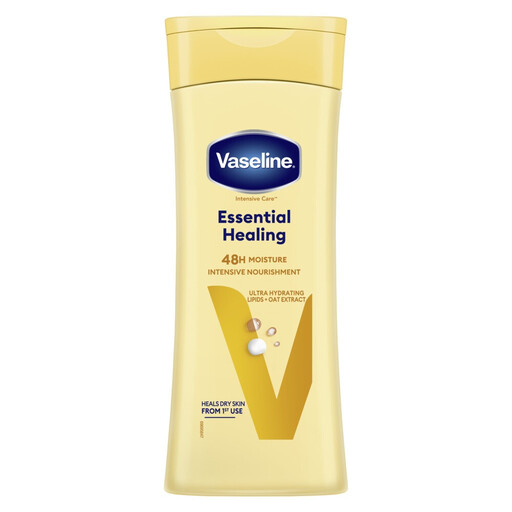
Why it suits this profile: The generous size is suitable for everyday use on dry areas of the body, for example after showering. The lotion contains ingredients including glycerine, dimethicone and petrolatum.
The product details describe a fast-absorbing, non-greasy body lotion. However, always check the current packaging for fragrance and allergen information.
400 ml size, intended for dry skin and, according to the product information, dermatologically tested.

Why it suits this profile: This gel-cream is designed for the face, combining a lightweight texture with product claims relating to long-lasting hydration.
The product information explicitly states that it has a fragrance-free, alcohol-free and non-comedogenic formula.
30 ml, gel-based, suitable for multiple skin types and, according to the product details, dermatologically tested.
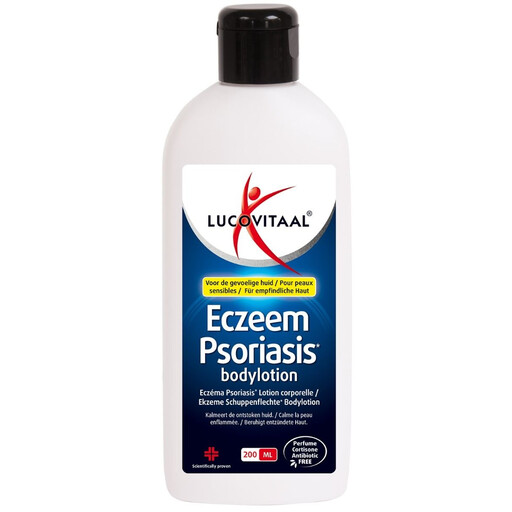
Why it suits this profile: This fragrance-free lotion is specifically described for adults with eczema or psoriasis diagnosed by a doctor.
The product clearly states that it is a medical device. Read the instructions and use it for the stated purpose.
200 ml, fragrance-free and, according to the product details, dermatologically tested.
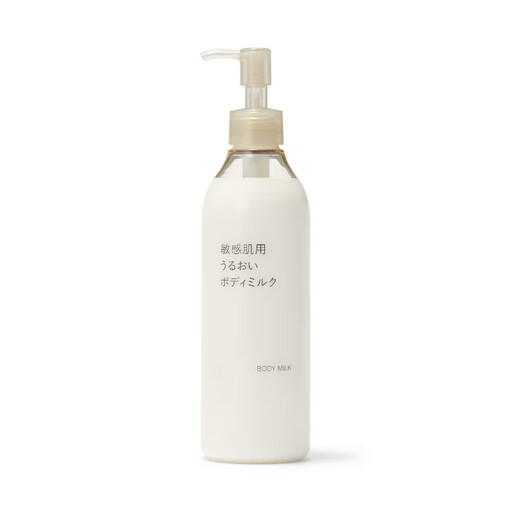
Why it suits this profile: This lotion is ideal for anyone looking for a simple bodycare routine without fragrance or alcohol.
The product information lists no fragrances, colourants, mineral oil, parabens or alcohol. An allergy test cannot rule out an individual reaction.
300 ml, mildly acidic formula and ceramides plus amino acids, according to the product description.
We have put together a complete, up-to-date list of products that fully meet these strict selection criteria and the applicable European safety regulations.
A lotion is usually thinner and absorbs more quickly. A cream often contains more fatty or occlusive ingredients and feels richer. “Moisturiser” is a broad English term for a hydrating skincare product and can refer to a gel, lotion or cream.
Follow the instructions on the packaging. For everyday care, a cream or lotion is often applied after cleansing or showering. If you have dry skin, you may need to reapply it, for example after washing your hands or whenever your skin feels tight.
Start by looking for a fragrance-free moisturiser with a short, clear ingredients list. MUJI Sensitive Skin Body Lotion and Clinique Moisture Surge 100H list features that may make them suitable. Always check the current packaging, carry out a small patch test and seek medical advice if symptoms persist.
