
Vandaag of morgen in huis

Kwaliteit gegarandeerd

Welkomstaanbiedingen ontgrendelen: GRATIS bezorging | Tot 80% korting | Gratis 30 dagen JoyPlus-proefperiode
Download de app
A hydrating body lotion and face cream may seem like a straightforward purchase, but products vary considerably in texture, ingredients, size and intended use. A product that feels comfortable on your legs may be too rich for oilier facial skin. Conversely, a lightweight face cream may not provide enough comfort for very dry elbows or shins.
The biggest purchasing mistakes usually come from three common pitfalls:
For a body lotion for dry skin, a richer lotion or body milk is often practical, particularly after showering. A lightweight formula may be more comfortable if you want to get dressed quickly. For combination or oily facial skin, a gel-cream or emulsion is usually more suitable than a heavy balm.
Also consider where you intend to use the product:
Ingredients are listed in the European INCI order, generally from the highest to the lowest concentration. This can help you put marketing terms into perspective.
“Vegan”, “dermatologically tested” and “hypoallergenic” are product claims, not a general guarantee for every user. Always check the current packaging, as formulas may change.
A pump bottle is convenient for daily body care and limits contact with the contents. An 80 to 140 ml tube is easier to take with you for facial skincare. Do not compare only the price per pack; also look at the price per 100 ml.
The shelf life can be found on the packaging. Look for an expiry date or the symbol indicating the period after opening, such as 12M or 24M. Store cream and lotion in a cool, dry place away from direct sunlight. Stop using the product if irritation occurs and avoid contact with the eyes.
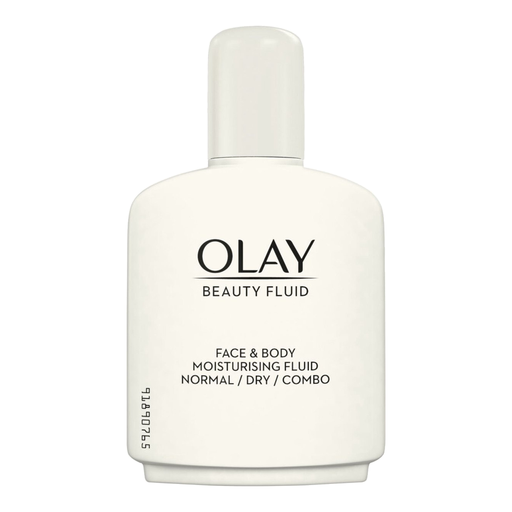
Why it suits this profile: A compact lotion for anyone wanting to try one product for the face and body, with a fast-absorbing texture.
The product description states that it can be used on the face and body, so you do not have to use a body lotion on your face without checking first. However, the ingredients list does include perfume; check this if you want to avoid fragrance.
100 ml, suitable for the face and body according to the product information, with glycerine and dimethicone.
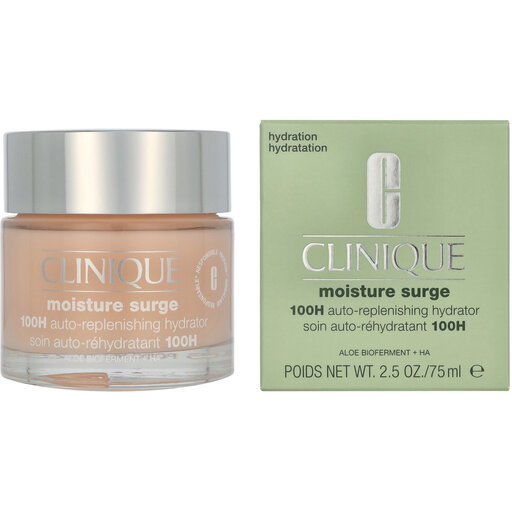
Why it suits this profile: Ideal for anyone looking for a face-specific gel-cream with a lightweight, oil-free texture for morning and evening use.
According to the product information, the formula is fragrance-free and non-comedogenic. The claim about long-lasting hydration comes from the brand and product description; do not treat it as a personal guarantee.
75 ml, gel-cream, oil-free and fragrance-free, and suitable for dry, combination and oily skin according to the product details.
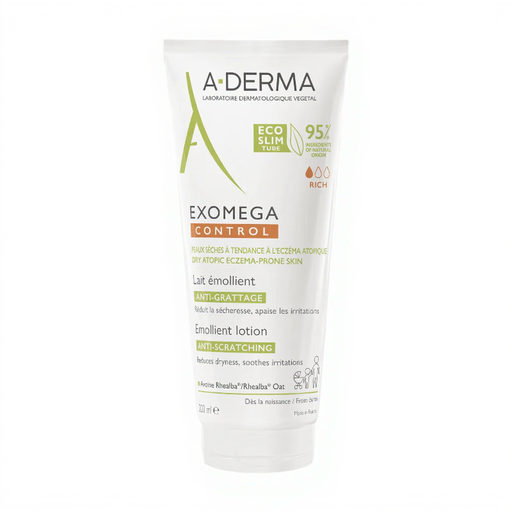
Why it suits this profile: For families looking for a fragrance-free lotion for the face and body when dealing with dry, sensitive skin, and who value a fluid, fast-absorbing texture.
The product information states that it has a fragrance-free formula and can be used on the face and body. Claims relating to redness, itching or eczema come from the brand’s product description and should not be interpreted as medical benefits.
200 ml, fragrance-free according to the product details, suitable for the face and body, and described as dermatologically and paediatrically tested.
We have put together a complete, up-to-date list of products that fully meet these strict selection criteria and the applicable European safety requirements.
Only if the product information states that it is suitable for both uses. You should also check the texture, perfume and any warnings. A product designed for the body is not automatically suitable for the face.
Apply lotion to clean skin, for example after showering while the skin is not yet completely dry. Face cream is usually applied in the morning and evening, but always follow the instructions on the packaging. If your skin feels tight, you may need to reapply.
Use the date or period-after-opening information on the packaging as your guide. Keep the product tightly closed and out of direct sunlight. A change in scent, colour or texture is a reason to stop using the product. Formulas and shelf life may vary from one pack to another.
