
Vandaag of morgen in huis

Kwaliteit gegarandeerd

Welkomstaanbiedingen ontgrendelen: GRATIS bezorging | Tot 80% korting | Gratis 30 dagen JoyPlus-proefperiode
Download de app
You close your front door behind you in the city, run a few miles on asphalt, and then duck into a park or forest for a loop on unpaved trails. Sound familiar? Then you probably also know the dilemma: do you wear road shoes and risk slipping, or trail shoes that feel heavy and stiff on the pavement?
The solution is a pair of quality hybrid running shoes. These shoes, also known as door-to-trail shoes, are designed to perform comfortably on both paved and unpaved surfaces. They combine the cushioning of a road shoe with the grip of a trail shoe.
In this article, we'll help you make the right choice. We'll discuss what to look for and highlight several popular models of Salomon running shoes that offer this versatility.
Finding the right shoe depends on a few key features. Pay attention to the following points to find a model that matches your running style.
A good hybrid shoe doesn't feel like a compromise, but like a smart combination. You need running shoes with ample cushioning to absorb the impact of running on asphalt. At the same time, the outsole must have enough tread for grip on mud, loose sand, or wet leaves. Look for an All-Terrain running shoe with an outsole that isn't too aggressive for the road but still provides enough traction for the trail. A great example is a sole with All Terrain Contagrip, which is designed for a wide variety of surfaces.
The shoe's upper determines its comfort and protection. For running in regions with variable weather, it's wise to consider the elements. A breathable mesh upper is great in the summer but lets water in easily. Do you often run in the rain or through wet grass? Then consider waterproof running shoes with a GORE-TEX (GTX) membrane. This keeps your feet dry without making the shoe feel completely sealed and sweaty.
This might sound obvious, but it's especially important for road-to-trail running shoes. The shoe must be snug enough to support your foot on uneven terrain but also offer enough room for your feet to swell slightly during longer runs. Soft materials on the inside and a flexible upper contribute to a comfortable experience, right from the very first mile.
Based on the criteria above, we have selected a few models that excel in versatility. These are our recommendations for runners looking for one shoe for all their adventures.
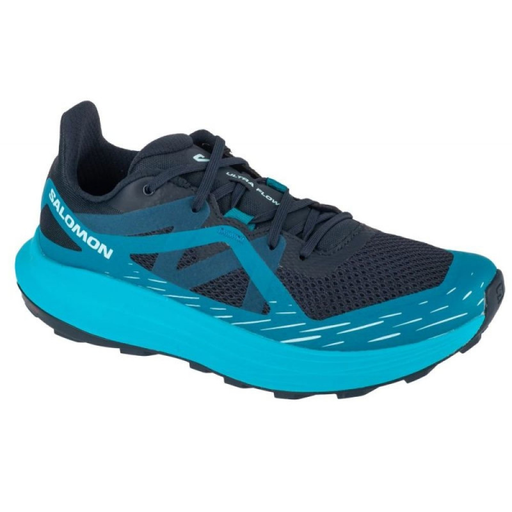
Why It Stands Out The Salomon Ultra Flow is an excellent example of a balanced hybrid shoe. It's designed with a focus on softness and a smooth ride, which you'll notice immediately on hard surfaces. The secret lies in the combination of a cushioned midsole and the All Terrain Contagrip outsole. This sole provides grip on forest paths without feeling sluggish on asphalt.
Pros
Who It's For For the runner who regularly switches between the street and easy to moderately technical trails. It's an ideal all-rounder for those looking for a single shoe for almost all their training runs.
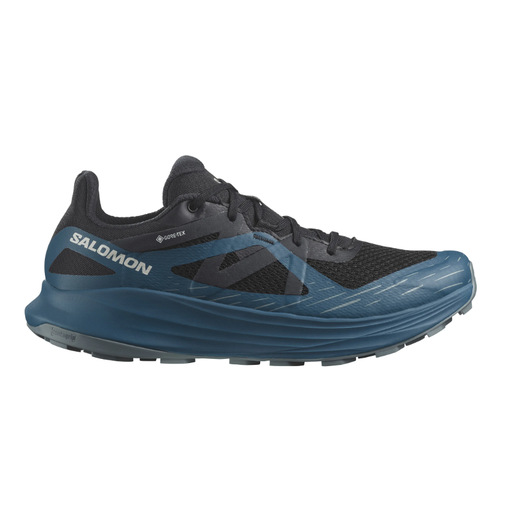
Why It Stands Out This is the GTX version of the Ultra Flow, which stands for GORE-TEX. This addition makes the shoe waterproof and thus perfect for unpredictable weather. You get the same comfortable cushioning and versatile grip as the standard Ultra Flow, but with the assurance of dry feet. The thick cushioning and high stack height provide a level of comfort you would normally expect from a pure road shoe.
Pros
Who It's For For the dedicated runner who isn't deterred by a rain shower. Ideal for runners in the autumn and winter, or for those who often run through soggy areas and want to keep their feet dry without sacrificing comfort.
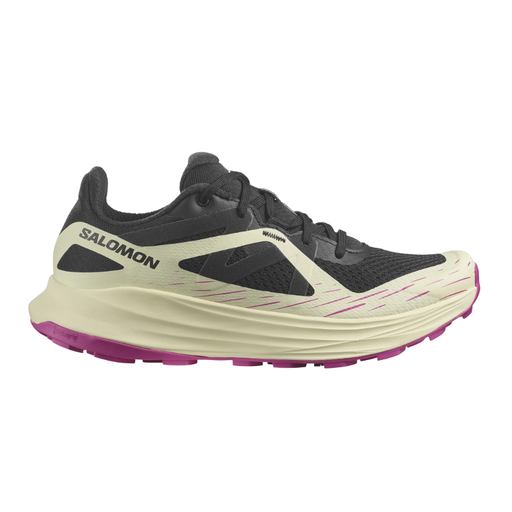
Why It Stands Out Within the Ultra Flow series, this model emphasizes maximum comfort. The shoe features ultra-plush cushioning and a higher sole, which ensures a very smooth running experience. The soft materials in the upper comfortably envelop the foot, while the mixed-terrain outsole provides the necessary grip. This model is designed for runners who prioritize comfort above all else.
Pros
Who It's For For runners who prioritize cushioning and comfort, for instance, due to sensitive joints or because they often do long-distance runs. This shoe makes the transition from asphalt to trail exceptionally smooth.
Are hybrid running shoes not quite what you're looking for for your next adventure? Perhaps you're planning a summer hike and need something more breathable. For lighter walks on well-maintained paths, an open shoe can be a great option.
Check out our selection of Comfortable Open-Toe Hiking Sandals for more inspiration.
1. What's the difference between trail and hybrid running shoes? Trail shoes are specifically built for rugged terrain. They have deep, aggressive lugs for maximum grip, a stiffer sole, and often extra protection against rocks and branches. Hybrid shoes have a less aggressive tread that also works well on asphalt, and they are generally more flexible and lighter, with more cushioning for hard surfaces.
2. Can I run a road marathon in hybrid shoes? You can, but it's not ideal. Hybrid shoes are heavier and less efficient than dedicated road racing shoes. For a full marathon on asphalt, a pure road shoe is recommended. However, for training runs where you switch between surfaces, hybrid shoes are perfect.
3. How important is a waterproof shoe with GORE-TEX? This depends entirely on where and when you run. For the average runner who trains year-round, a waterproof shoe is a worthwhile investment. It not only keeps your feet dry during rain but also warm in the cold. If you only run in dry weather, a non-waterproof, more breathable version is often sufficient.
