
Vandaag of morgen in huis

Kwaliteit gegarandeerd

Welkomstaanbiedingen ontgrendelen: GRATIS bezorging | Tot 80% korting | Gratis 30 dagen JoyPlus-proefperiode
Download de app
A hyaluronic acid serum may seem simple at first glance: a few drops on your face followed by a cream. However, serums can vary considerably in their ingredients, texture and use. This is particularly important if you have dry, dehydrated or sensitive skin, as the wrong choice can leave your skin feeling tight, cause irritation or result in a product that ends up unused in your bathroom.
As a Joybuy Product Recommendation Officer, I assess product information based on practical details. Not eye-catching marketing claims, but ingredients, usage advice, texture and skin type. This allows you to compare a hydrating serum, a serum for dry skin and a Korean skincare serum in a sensible, straightforward way.
Brands often mention three, five or even more molecular sizes. This may mean that the formula contains different forms, such as sodium hyaluronate, hyaluronic acid and hydrolysed hyaluronic acid. However, the product description does not always state how much of each ingredient is present.
So do not look only at the number of forms. Check the complete INCI list as well. Also look for additional humectants, such as glycerine, panthenol or beta-glucan.
Hyaluronic acid is a moisture-binding ingredient. The serum can make your skin feel more comfortable, but a hydrating product does not automatically lock in moisture for a long time. Apply a moisturiser after the serum, particularly if your skin feels dry or the air indoors is dry.
Ideally, use the serum on slightly damp skin. This is a practical step, not a guarantee of a particular result.
A claim such as serum for all skin types is not a personal guarantee. If you have sensitive skin, look out for fragrance, alcohol and stronger active ingredients. A serum containing azelaic acid or exfoliating ingredients requires a different approach to use than a simple hydrating serum.
Also always check the current packaging. Ingredients can change, and the packaging contains the official information about shelf life, batch number and use after opening.
A formula containing several forms of hyaluronic acid may be worth considering if you are looking for a serum for dehydrated skin. The terms “low”, “medium” and “high molecular weight” describe the ingredients used, but on their own they do not prove how your skin will react.
Also look for supporting ingredients:
For everyday use, a lightweight, fast-absorbing texture is usually practical under sun cream or make-up. A gel serum can feel pleasant on normal to combination skin, while a richer ampoule may be a better fit for a dry-skin routine.
Usually apply two to three drops, unless the packaging advises otherwise. Using too much product can feel sticky or pill when you apply several layers of skincare.
A simple hyaluronic acid face serum is often easier for beginners to understand. If a formula contains azelaic acid, acids, spicules or several active ingredients, it is wiser to introduce it gradually. If you have sensitive skin, first test a small amount on a limited area and stop using it if irritation occurs.
A serum for fine lines can make the skin look temporarily smoother or plumper through hydration. This is different from a medical effect or proven removal of wrinkles. Focus mainly on how your skin feels and its cosmetic appearance.
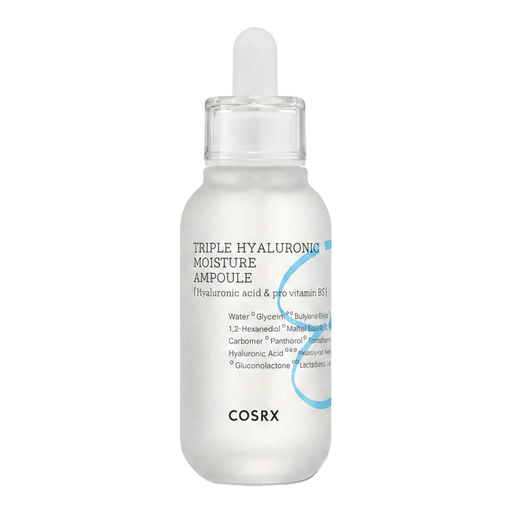
Why it suits this profile: The formula is built around three forms of hyaluronic acid and is intended for use in the morning and evening. This makes it an accessible starting point for anyone looking for a Korean skincare serum without lots of extra steps.
The product information lists low-, medium- and high-molecular-weight hyaluronic acids, so you do not have to rely solely on a general claim.
40ml contents; three stated forms of hyaluronic acid; recommended use of two to three drops.
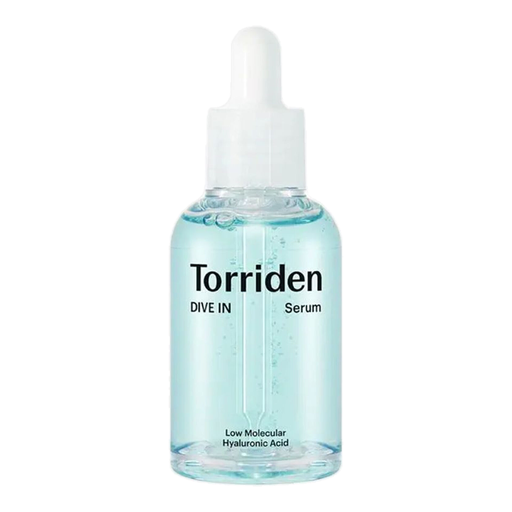
Why it suits this profile: If you want to focus on the skin barrier as well as hydration, this formula contains five stated forms of hyaluronic acid together with supporting ingredients such as panthenol, ceramide NP and beta-glucan.
The product description specifies several supporting ingredients and states that the formula is fragrance-free. Always check this again on the packaging.
50ml contents; five forms of hyaluronic acid according to the product information; panthenol and ceramide NP listed.
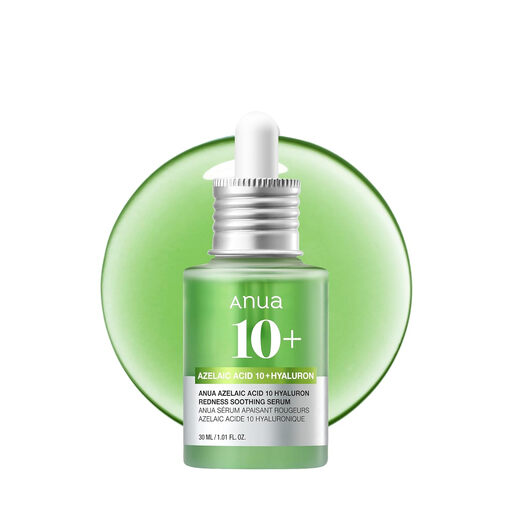
Why it suits this profile: This is not a purely hydrating serum, but an option for users who want to combine hyaluronic acid with azelaic acid and several additional ingredients.
The usage advice recommends gradually introducing it with one to two drops, once or twice a week. This prevents you from treating an active formula like a simple hydrating serum.
30ml contents; 10% azelaic acid according to the product description; sodium hyaluronate, panthenol and ceramide NP listed.
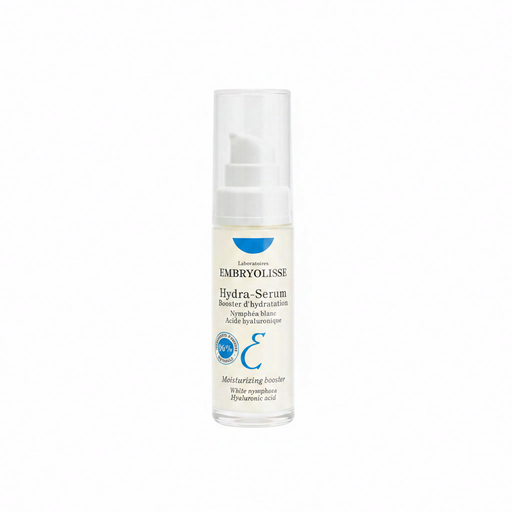
Why it suits this profile: The product information describes a lightweight formula containing hyaluronic acid and white water lily. The serum is intended for daily use and, according to the instructions, can be added to your day or night cream.
The usage instructions are simple: add a few drops to your routine. However, note the fragrance and limonene in the listed ingredients if your skin is sensitive to them.
30ml contents; sodium hyaluronate in the INCI list; product description states that it has a lightweight texture and is suitable for all skin types.
If you need a serum for sensitive skin, preferably choose a short ingredients list and test the product locally first. If redness, itching or irritation persists, stop using the product and seek advice from a healthcare professional.
We have put together a complete, up-to-date list of products that fully meet these strict selection criteria and the applicable European safety regulations.
A simple hydrating serum is often marketed for morning and evening use. Always follow the instructions on the packaging. With active combinations, such as azelaic acid, it is wiser to introduce the product gradually rather than using it every day straight away.
This is usually a practical step. The serum binds moisture, while a moisturiser helps finish your routine. This combination can feel more comfortable, particularly if you have dry or dehydrated skin.
Check the expiry date, batch number and the open-jar symbol showing the period after opening on the packaging. Keep the product closed, cool and out of direct sunlight. If the scent, colour or texture changes noticeably, stop using it.
