
Vandaag of morgen in huis

Kwaliteit gegarandeerd

Welkomstaanbiedingen ontgrendelen: GRATIS bezorging | Tot 80% korting | Gratis 30 dagen JoyPlus-proefperiode
Download de app
A tight feeling after cleansing, visible fine lines caused by dryness or a dull complexion: these are just some of the reasons why many adults in the Netherlands look for hyaluronic acid skincare. The ingredient is found in serums, creams, toners, mists, body lotions and even food supplements. However, not every product containing hyaluronic acid is suitable for every skin type or purpose.
Marketing can sometimes make the choice unnecessarily difficult. For example, a product may mention several types of hyaluronic acid without making it clear how much is actually in the formula. Terms such as “glow”, “barrier repair” and “intensive hydration” are not always used consistently either. So focus mainly on the ingredients list, texture, instructions for use and the product’s intended purpose.
Hyaluronic acid is a moisture-binding ingredient. It helps retain moisture at the skin’s surface, but a serum on its own is not always enough for dry or dehydrated skin. The skin may still feel tight, particularly in low humidity, with central heating or in cold winds.
It is therefore best to apply a hyaluronic acid serum to slightly damp skin, followed by a cream. A cream containing ingredients such as ceramides, oils or silicones can help maintain comfort for longer.
A body milk is practical for dry arms, legs and hands, but often has a different texture and fragrance formula from facial skincare. So use a product on the area it is intended for. If you have sensitive skin, also check whether the formula contains fragrance.
Some brands use high-, medium- and low-molecular-weight hyaluronic acid in a single product. According to the brand’s product description, this is intended to hydrate different layers of the skin. That is a manufacturer’s product claim, not a guarantee for every skin type. The overall formula, your skin’s condition and how you apply the product all influence how comfortable it feels.
Look for terms such as Sodium Hyaluronate, Hydrolyzed Hyaluronic Acid, Hyaluronic Acid or similar forms in the ingredients list. Its position on the list gives a general indication of the amount, but does not always state the exact percentage.
Also look out for supporting ingredients:
A toner or hyaluronic acid toner is a lightweight first hydrating step after cleansing. A serum is generally more concentrated and fits between toner and cream. A cream seals the routine. A hydrating mist is especially useful for a quick refresh during the day or over make-up.
Choose a gel cream if you prefer a lightweight finish. A richer cream is generally better suited to dry skin, particularly in the evening or during the colder months.
Hyaluronic acid does not replace sun protection. During the day, use a product with a suitable SPF and follow the instructions on the packaging. When using active ingredients such as azelaic acid, introducing them gradually is important. For example, ANUA states for its azelaic acid product that users can start by applying it once or twice a week and should use sun protection during the day.
If you have sensitive skin, carry out a patch test first. Stop using the product if you experience persistent redness, itching, swelling or a burning sensation, and seek advice from a doctor or pharmacist if necessary.
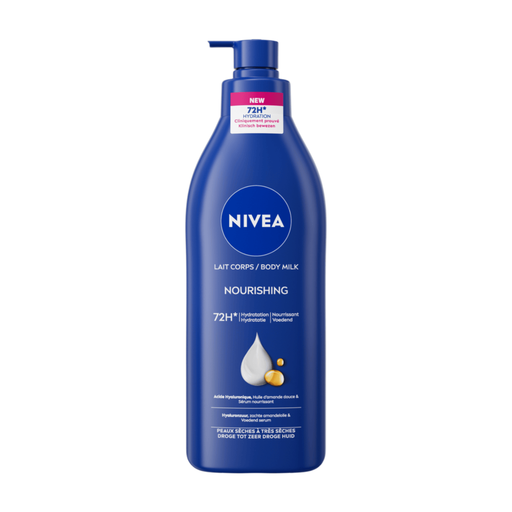
Why it suits this profile: A generously sized pack for daily care of dry to very dry body skin, without having to put together an extensive facial skincare routine straight away.
The product description makes it clear that this is a body milk. This helps prevent you from accidentally buying a body product as a face cream.
400 ml; according to the product information, contains sodium hyaluronate, glycerine and almond oil; the formula is described as non-greasy and fast-absorbing.
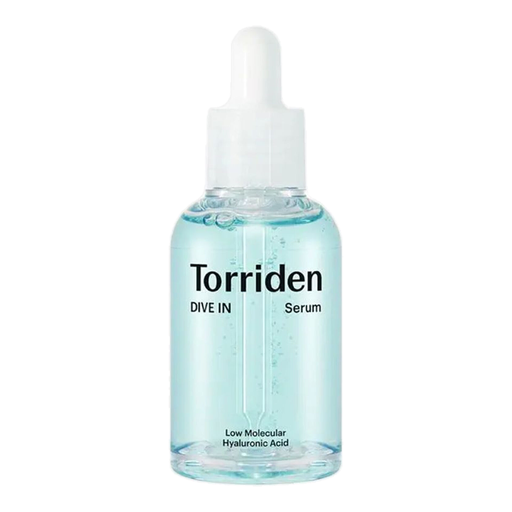
Why it suits this profile: For a serum enthusiast who appreciates Korean skincare and is looking for a lightweight formula for their morning and evening routine.
The formula is intended to be used as a serum and, according to the product information, should be followed by a moisturiser. This makes its place in the routine clear.
50 ml; the product description lists five types of hyaluronic acid, panthenol, ceramide NP and beta-glucan; according to the description, it is fragrance-free and vegan.
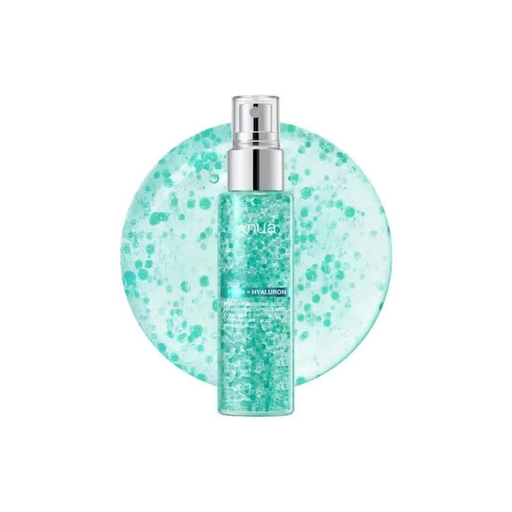
Why it suits this profile: Handy for anyone looking for extra comfort during the day, whether you are often on the go or want to refresh your make-up without reapplying a full routine.
The instructions clearly state that shaking is not necessary and that the mist should be applied from a distance of 10–20 cm. Use it as a supplement, not as a replacement for cream.
100 ml; according to the ingredients list, contains sodium hyaluronate, hydrolyzed hyaluronic acid, panthenol, ceramide NP and sodium DNA; suitable for use before or after make-up.
Another practical option is a cream. According to the product information, the Isntree Hyaluronic Acid Moist Cream contains several forms of hyaluronic acid, ceramide NP, cholesterol and nourishing oils. If you prefer a simple routine, you could also consider a hyaluronic acid cream from Torriden or Neutrogena.
A supplement requires a different approach. Lucovitaal states that each capsule contains 120 mg of hyaluronic acid, as well as vitamin E, copper, iodine and selenium. This is a food supplement, not a replacement for topical skincare or a varied diet. Follow the dosage instructions on the label and seek advice from a healthcare professional if you take medication, are pregnant or have any health concerns.
We have put together a complete, up-to-date list of products that fully meet these strict selection criteria and the applicable European safety regulations.
Yes, but choose a texture that suits your skin. A lightweight gel or serum can feel comfortable on oily or combination skin. A cream containing oils or barrier-supporting ingredients is often better suited to dry skin. For all skin types, apply a moisturiser to seal everything in if your skin continues to feel tight.
First cleanse your face and apply a toner if desired. Then use a few drops of serum on slightly damp skin. Finish with a cream. During the day, sun protection should be the final step. If you have sensitive skin, start with a small amount and test the product on a small area of skin first.
Follow the best-before date and the period-after-opening information on the packaging. Store products in a cool, dry place away from direct sunlight. Close jars, tubes and bottles securely. Has the product’s smell, colour, texture or packaging visibly changed? Stop using it and check the manufacturer’s instructions.
