
Vandaag of morgen in huis

Kwaliteit gegarandeerd

Welkomstaanbiedingen ontgrendelen: GRATIS bezorging | Tot 80% korting | Gratis 30 dagen JoyPlus-proefperiode
Download de app
A hyaluronic acid serum seems simple: apply a few drops, then follow with a cream. Yet many people buy a product that does not suit their skin or routine. Dry skin may still feel tight, dehydrated skin may actually become shiny more quickly, and sensitive skin may react to a formula containing several active ingredients.
This guide helps you separate marketing claims from verifiable product information. That way, you can find a suitable hydrating face serum without relying solely on terms such as “glow”, “deep hydration” or “glass skin”.
Hyaluronic acid is a moisture-binding ingredient. However, how well a serum works depends on more than its presence or stated percentage. The overall formula, texture and the way you apply the product also play a part.
In practice, a serum for dry skin often feels more comfortable when you apply a moisturiser over it. Without a sealing cream, the comfortable feeling may only be temporary, particularly in dry air or cold weather.
Brands sometimes mention three or five types of hyaluronic acid with different molecular weights. This may mean that the formula contains different forms, such as sodium hyaluronate, hyaluronic acid and hydrolysed hyaluronic acid. It does not automatically mean that the serum penetrates into deeper layers of the skin or reduces wrinkles.
That is why you should focus mainly on the full ingredients list, the product size and the directions for use. Claims about visible improvement are made by the brand; do not treat them as a guaranteed result.
Not every serum for dehydrated skin is focused solely on moisture. Some formulas combine hyaluronic acid with niacinamide, ceramides, panthenol, peptides or acids. This can be appealing, but it also makes your routine more intensive.
If you have sensitive skin, it is wise to introduce products gradually. Test a small amount on a limited area of skin first, and stop using it if persistent redness, itching or irritation occurs.
For a simple moisture-boosting serum, look out for:
An ingredient listed higher up the INCI list is generally present in a larger amount than one near the bottom, but the exact concentration is not always disclosed. Also check for fragrance, alcohol and essential oils if your skin is sensitive to them.
A gel serum often feels lightweight and sits easily under sun cream or make-up. A richer ampoule may feel more comfortable on dry skin, particularly in the evening. Apply the product after cleansing and, if desired, toner, preferably to slightly damp skin if the packaging recommends this. Finish with a moisturiser.
Always use a sun protection product during the day according to the directions on the packaging. For a formula containing 10% azelaic acid, such as the ANUA Azelaic Acid 10 Hyaluron Redness Soothing Serum, the product information also recommends introducing it gradually and using broad-spectrum sun protection every day.
Do not compare the price alone; also compare the size. 20, 30, 40, 50 or 100 ml can make a difference to the cost per use. A dropper is handy for dispensing a few drops, while a pump bottle may limit contact with air and fingers.
Always check the current ingredients list, shelf-life information and warnings on the packaging. Product information can change. Store a serum in a cool, dry place away from direct sunlight, and close the packaging properly after use.
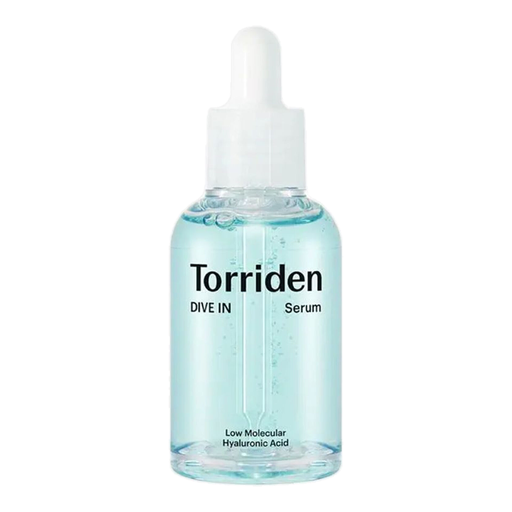
Why it suits this profile: Suits anyone wanting to combine several forms of hyaluronic acid and additional barrier-supporting ingredients in one routine.
According to the supplied product information, the formula contains five types of hyaluronic acid and no fragrance. That is more specific than a general promise of glow.
50 ml; according to the product description, contains panthenol, ceramide NP and beta-glucan; designed for use in the morning and evening.
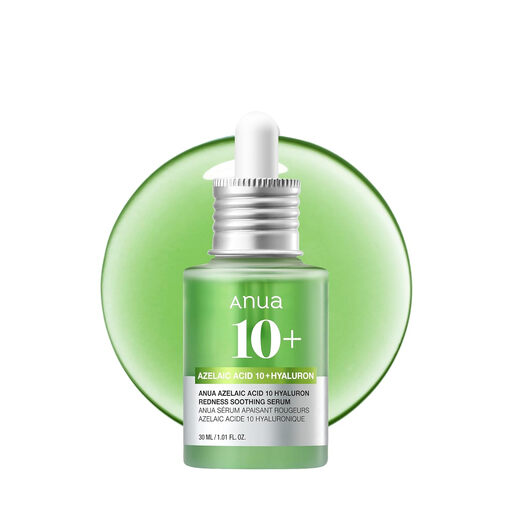
Why it suits this profile: For users looking for a formula with 10% azelaic acid and additional ingredients such as panthenol, glycerine and sodium hyaluronate alongside hydration.
The directions recommend introducing it gradually. The manufacturer warns of possible dryness or pilling and recommends patch testing for sensitive skin.
30 ml; contains azelaic acid, panthenol, glycerine, niacinamide, squalane and ceramide NP according to the supplied ingredients list.
A serum does not replace a cream. Hyaluronic acid binds moisture, while a moisturiser and other skincare ingredients can help keep your skin feeling comfortable for longer. Do not immediately combine several intensive products, such as an azelaic acid serum and exfoliating acids, if you do not yet know how your skin will react.
We have put together a complete, up-to-date list of products that fully meet these strict selection criteria and the applicable European safety requirements.
It can be, as hyaluronic acid helps bind moisture in cosmetic formulas. Dry skin often also needs a cream or another product that keeps the skin’s surface feeling comfortable. Choose a formula based on its ingredients, texture and any fragrance ingredients you may wish to avoid.
According to their product descriptions, many serums are intended for daily use in the morning and evening. Always check the product’s own label. With a formula containing additional active ingredients, such as 10% azelaic acid, introducing it gradually is wiser than using it twice a day straight away.
The exact shelf life is stated on the packaging. Check the expiry date and the period after opening, if provided. Store the serum closed, in a dry place away from direct sunlight. If its smell, colour or texture changes noticeably, stop using it.
