
当日/次日达

品质保障

开启新人专享福利: 全场免邮 | 低至 2 折 | 免费试用 30 天 JoyPlus 会员
下载 Joybuy
A hyaluronic acid serum may seem straightforward at first glance: apply a few drops and you’re done. Yet serums can vary considerably in concentration, texture, additional ingredients and usage advice. A product that works well for dry skin may contain too many active ingredients for sensitive skin.
Marketing claims can also be confusing. Phrases such as “deep hydration” or “anti-ageing serum” say little about the formula on their own. Instead, pay particular attention to the ingredients list, the skin type the product is intended for and how to use the serum.
Hyaluronic acid helps retain moisture on the skin’s surface. However, how it performs and feels on the skin also depends on the rest of the formula. Glycerine, panthenol, beta-glucan and ceramides, for example, may serve a different purpose from hyaluronic acid itself.
A serum containing several forms of hyaluronic acid is often promoted as providing multi-layer hydration. That may be appealing, but also check whether the texture feels comfortable and whether the product fits into your routine.
A hydrating ingredient attracts moisture, but a serum does not always lock that moisture in by itself. After applying a hydrating facial serum, apply a moisturiser. This final step can make your skin feel more comfortable, particularly during the Dutch winter, when indoor air is dry or when it’s very windy.
A product description may say that a serum is intended for all skin types. That is information provided by the brand, not a guarantee for every user. If you have sensitive skin, it’s sensible to check the ingredients list and test a small amount on a limited area of skin first.
Pay particular attention to fragrance, alcohol, acids and highly concentrated active ingredients. A serum for sensitive skin does not necessarily need to have a long ingredients list.
On the ingredients list, you may come across names such as sodium hyaluronate, hyaluronic acid, hydrolyzed hyaluronic acid and sodium hyaluronate crosspolymer. Products such as Hydrium Triple Hyaluronic Moisture Ampoule and Torriden DIVE IN list several forms of hyaluronic acid.
Molecular size affects not only how a serum feels, but also how the formula is put together. So don’t focus solely on terms such as “low molecule”. For everyday use, a balanced formula with humectants and a moisturiser to seal everything in is often more practical.
For a serum for dry skin, it’s worth considering formulas containing glycerine, panthenol or ceramides. Hyaluronic Acid 3 Serum lists NMF, an amino acid complex and ceramides in its product description. Torriden mentions panthenol, ceramide NP and beta-glucan.
These ingredients are used in cosmetic formulas to support hydration and skin comfort. According to the brands’ product information, they also support the moisture barrier. Do not consider this a medical treatment or a guarantee against irritation.
A lightweight serum is convenient when you use several skincare products or wear make-up. Look out for the following:
A Korean skincare serum formula may sometimes contain several active ingredients or extracts. For concentrated products such as the SKIN1004 Matrixyl 10% Boosting Shot Ampoule, the product information recommends introducing it gradually and carrying out a patch test first.
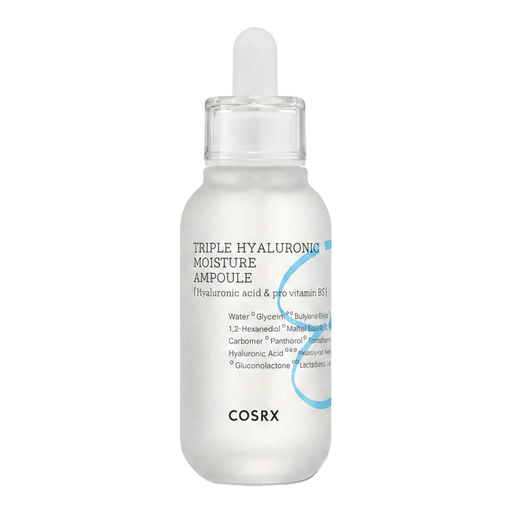
Why it suits this profile: The formula combines three forms of hyaluronic acid with panthenol and recommends using 2 to 3 drops in the morning and evening. This makes it a straightforward choice for anyone starting out with a hydrating serum.
The product information clearly identifies the forms of hyaluronic acid and panthenol used, rather than making only a general hydration claim.
40 ml size; three forms of hyaluronic acid; panthenol; suitable for morning and evening use according to the packaging.
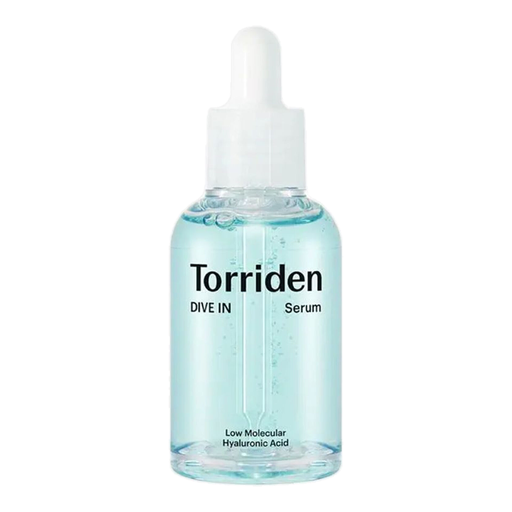
Why it suits this profile: If you’re looking for a comprehensive hyaluronic acid facial serum, this formula contains five named forms of hyaluronic acid, along with additional ingredients such as panthenol and ceramide NP.
The formula lists several supporting ingredients, and the brand states that it is fragrance-free. Check the current packaging for the official ingredients list.
50 ml size; five forms of hyaluronic acid according to the product description; panthenol, ceramide NP and beta-glucan; fragrance-free according to the brand’s information.
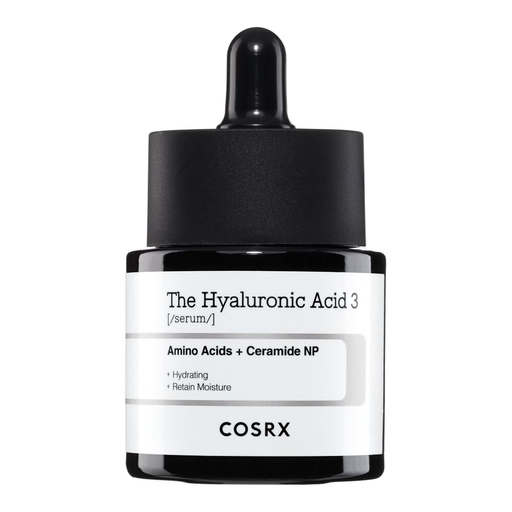
Why it suits this profile: This serum focuses on hydration and supporting the skin barrier. The formula contains low-molecular-weight hyaluronic acid, NMF, an amino acid complex and ceramides.
The product information identifies the supporting ingredients separately. This allows you to compare the formula more effectively than by relying solely on a claim of “intensive hydration”.
20 ml size; NMF and amino acids; ceramides according to the product description; lightweight, fast-absorbing texture according to the brand.
We’ve put together a complete, up-to-date list of products that fully meet these strict selection criteria and the applicable European safety regulations.
If you’ve chosen a serum for dehydrated skin containing additional active ingredients, introduce it gradually. Don’t combine several new serums straight away. This makes it easier to assess which product your skin tolerates well.
It can be, but always check the full ingredients list. Ideally, choose a simple formula and carry out a patch test beforehand. A product described by the brand as suitable for sensitive skin is still a general product claim, not a personal guarantee.
Many products are intended for daily use in the morning and evening. Follow the instructions on the packaging. For serums containing additional acids, azelaic acid or other active ingredients, it may be wiser to start by using them less frequently.
Check the expiry date and the period after opening indicated on the packaging. Keep the bottle closed, at room temperature and out of direct sunlight. If the smell, colour or texture changes noticeably, stop using the product.
